
When taking antibiotics, patients are often instructed to complete the full course in order to reduce the risk of bacteria developing resistance. But why do bacteria become resistant, and what happens once resistance has emerged?
Bacteria are prokaryotic cells that can reproduce independently through division when conditions are favorable. Although the probability of genetic mutation during replication is very low, the rapid division rate of bacteria combined with their immense global population means that mutations accumulate on a significant scale. Some of these genetic changes may be neutral, having little effect on the bacteria; others may be harmful, reducing their survival. Yet certain mutations can confer advantages, such as greater tolerance to extreme environments (e.g., heat or acidity), alterations in surface antigens that help them evade immune detection, or the ability to resist antibiotics.
During antibiotic treatment, genetic variation in bacteria can indeed be triggered. Antibiotics damage bacterial DNA, and surviving bacteria may introduce errors while repairing this damage, leading to mutations. Though random, such mutations occasionally produce genetic changes that grant resistance.
At the start of treatment, weaker, more sensitive bacteria are killed first, while stronger strains or those already carrying resistance mutations survive. If the patient completes the prescribed course, most bacteria will be eliminated, and even resistant strains may be suppressed under prolonged or high-dose exposure. This reduces the burden on the immune system, allowing it to work in tandem with the antibiotic to clear the remaining infection.
However, if treatment is stopped prematurely, the situation reverses. Sensitive bacteria will already have been eliminated, leaving resistant strains free to multiply and dominate. This not only worsens the infection but also renders the original antibiotic ineffective, forcing physicians to resort to alternative drugs or therapies. These alternatives often require longer courses, higher doses, and may carry stronger side effects.
Beyond mutation, bacteria can also acquire resistance through horizontal gene transfer—for example, by exchanging plasmids or receiving resistance genes carried by bacteriophages. This means that even bacteria without mutations can “borrow” resistance traits from other strains, accelerating the spread of resistant populations. When such bacteria circulate widely, they may evolve into “superbugs,” capable of resisting multiple antibiotics and posing a serious public health threat.
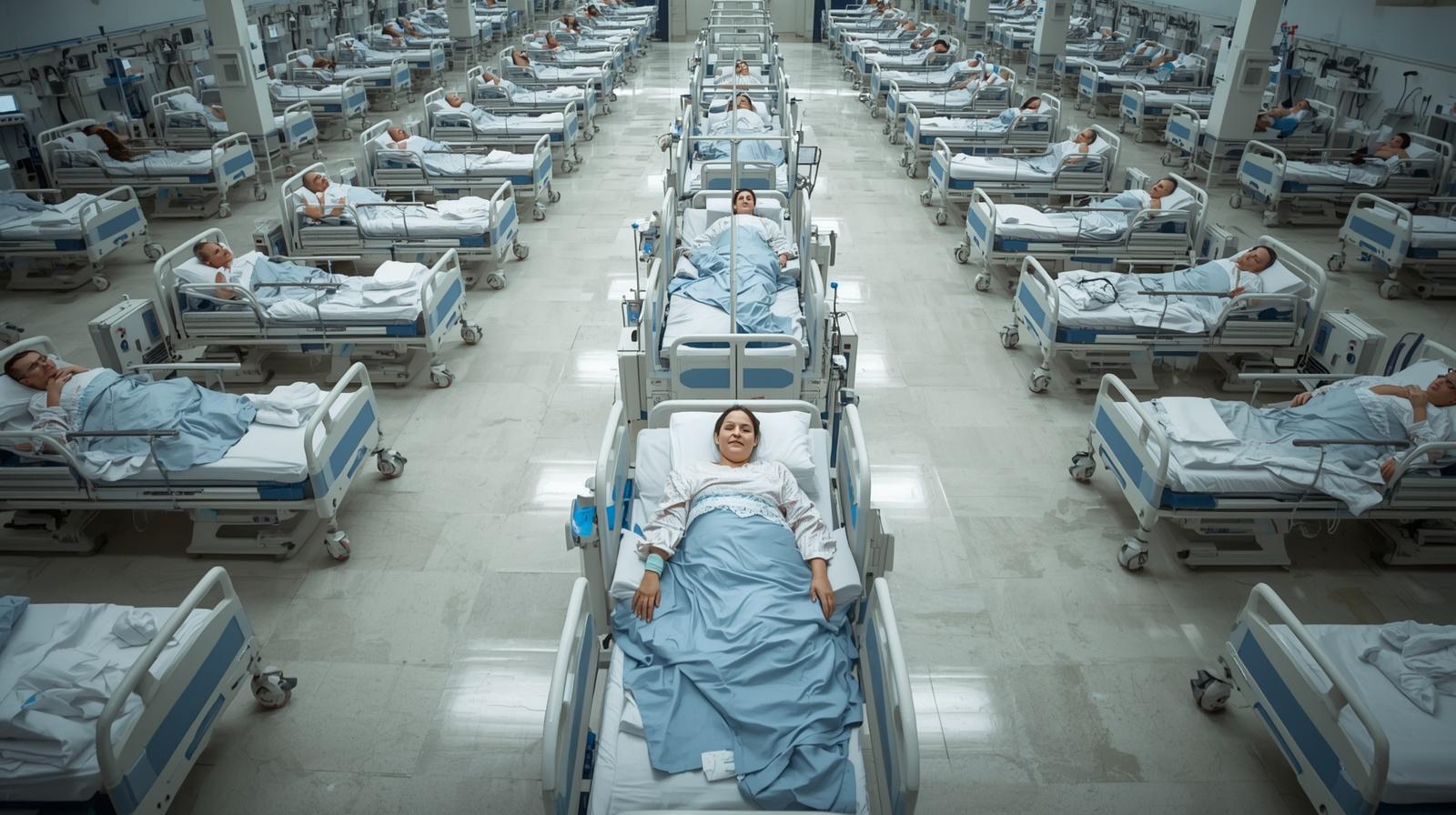
If resistant bacteria cause outbreaks in communities, treatment becomes significantly more difficult. Patients may require longer courses, higher doses, or different antibiotics, leading to greater consumption of medical resources, prolonged recovery times, and mounting pressure on healthcare systems. If cases continue to rise, hospitals may face shortages of beds and medications, making public health control far more challenging.
The consequences are even more severe if the outbreak involves “superbugs”—multi-drug resistant bacteria that can withstand most conventional treatments. Infections caused by these organisms often lack effective therapies, leaving doctors to rely on combination regimens, newly developed antibiotics, or riskier alternatives. Widespread community transmission of superbugs can result in large-scale, hard-to-treat infections, sharply increased mortality rates, and immense strain on healthcare systems. Should such pathogens spread across borders, they could trigger a global public health crisis, with profound impacts on healthcare, economies, and social stability.
We leverage big data to bring you the most fascinating and mind-blowing trivia. Follow us for regular updates—prepare to be amazed while leveling up your knowledge.



The shelves of supermarkets are filled with an endless variety of alcoholic beverages, and as consumers we are accustomed to purchasing ready-made products. Yet one might wonder: is it truly possible

Honeybees are common insects. We all know they collect nectar and bring it back to their hives, but the social hierarchy within a bee colony is fascinating and worth closer study. A typical colony

Massive cruise liners, cargo ships, and oil tankers may weigh hundreds of thousands of tons, yet they sail freely on the sea. In contrast, a stone far smaller in size and weight sinks to the seabed.

All things in the world are composed of atoms, which are the fundamental units of matter. At the core of each atom lies the nucleus, containing positively charged protons and electrically neutral

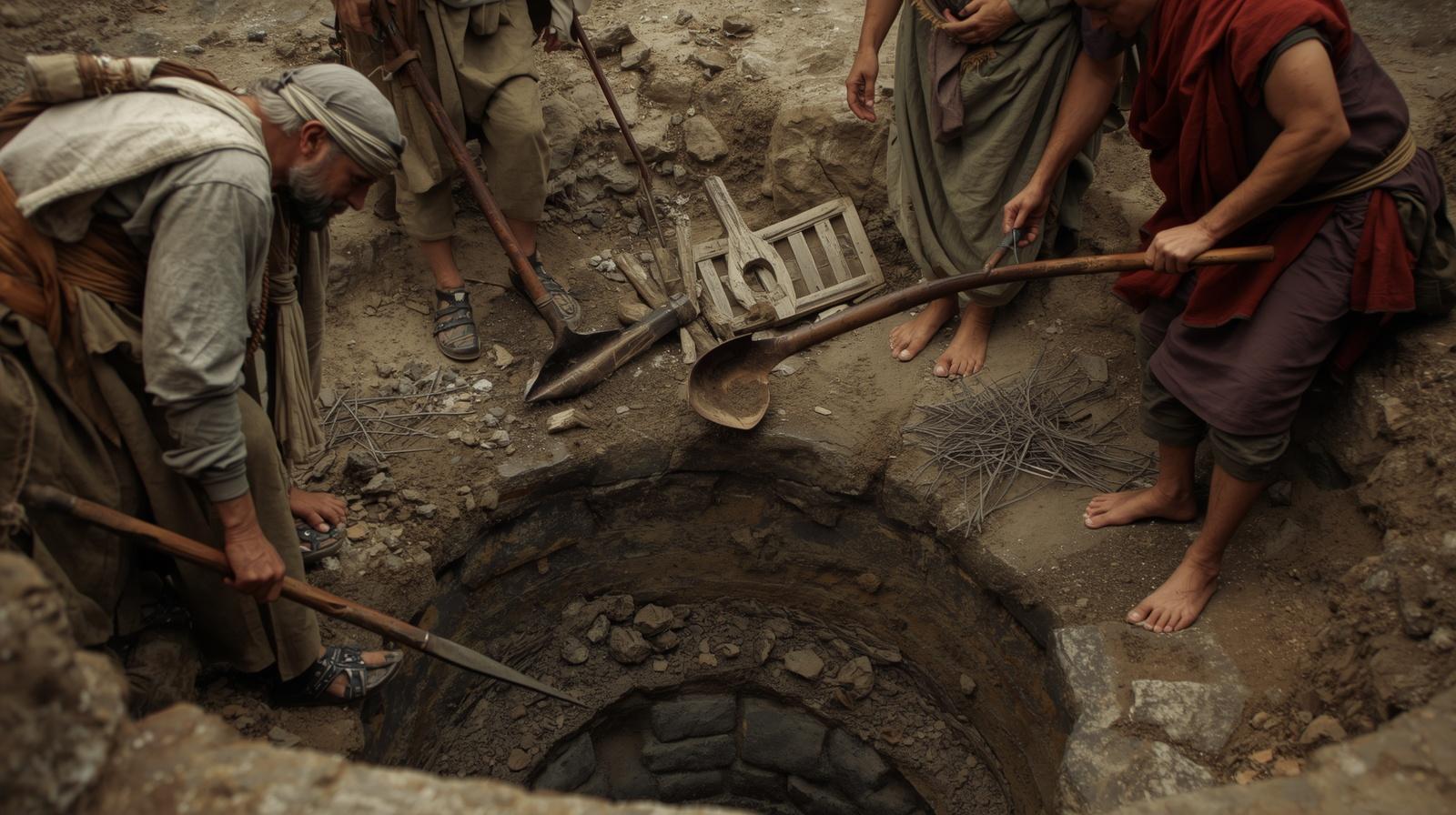
Looking back through history, we find that ancient people drew water from wells for daily use. But how exactly did they dig wells, and how did they know whether underground water was
Cancer is often called humanity’s leading killer, a disease that strikes fear because of its profound impact on life. A diagnosis can turn a person’s world upside down, and in severe cases, it can be

Whether at a dinner gathering with friends or chatting freely at a bar, alcohol often seems inseparable from social life. Yet we often notice a phenomenon: after a couple of drinks, some people’s

In human society, the most immediate differences often arise from appearance. Walking down the street or browsing through historical images, we find that human looks display astonishing diversity.

Follow us for quirky updates, fun discoveries, and a front‑row seat to the weird and wonderful world we live in.