
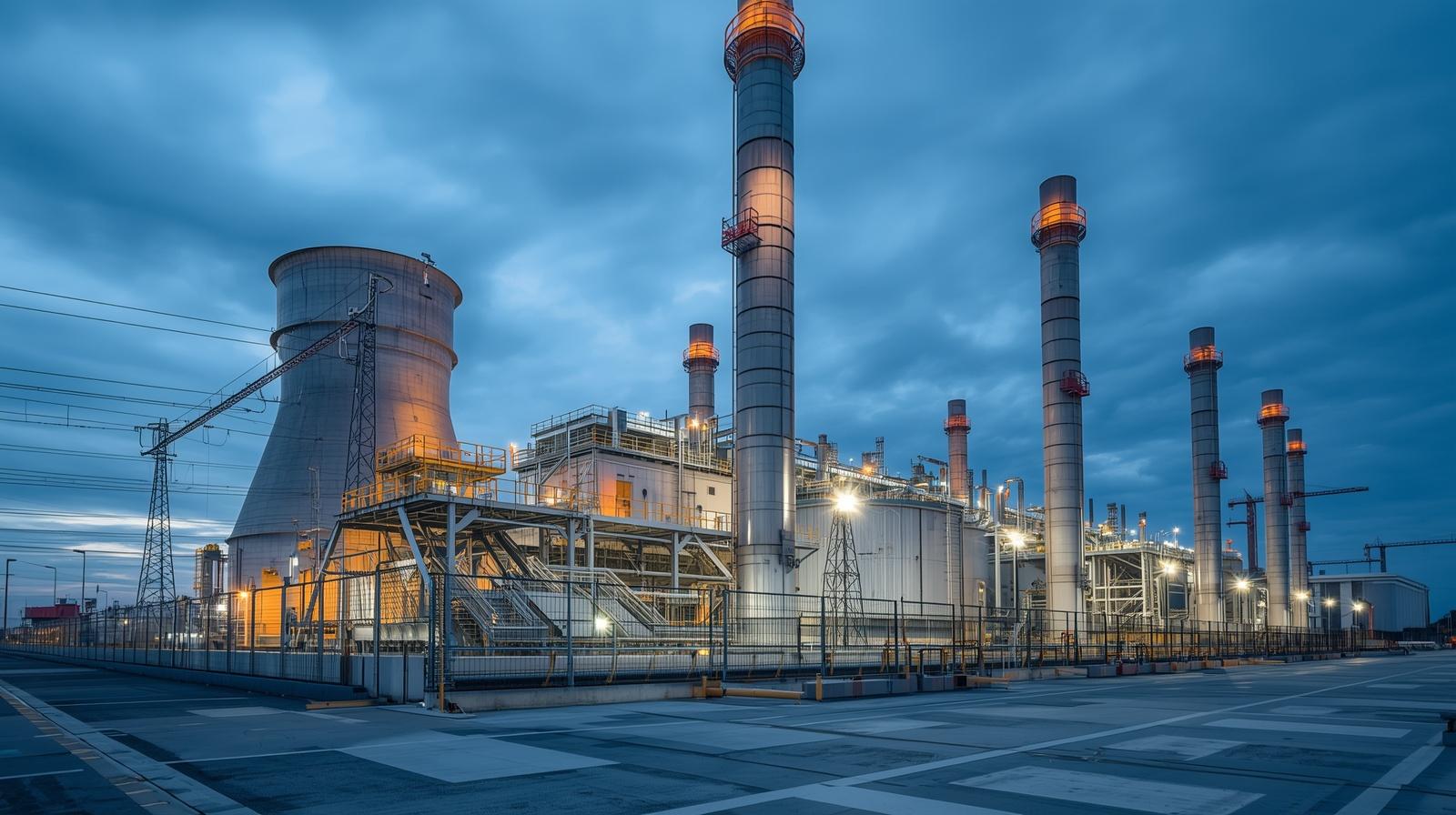
The discovery and application of electricity shocked the world and accelerated the development of human civilization. What exactly is electricity, where does it come from, and how does power generation work?
Electricity is closely tied to electrons. Electrons are negatively charged fundamental particles that exist outside the atomic nucleus. Their mass is extremely small, yet they play a crucial role in the structure and properties of matter. The distribution of electrons determines an atom’s chemical reactivity, and they can transition between energy levels, releasing or absorbing energy. In the context of electricity, electrons act as carriers of energy. When a power source provides a voltage difference, it creates an electric field in a conductor. This field acts like a “push,” driving electrons from the lower potential end toward the higher potential end. The collective flow of electrons is what we call electric current. Current carries energy and can be converted into light, heat, or mechanical motion within a circuit. Put simply: electrons are the basic members of matter, voltage difference creates an electric field, the field drives electrons to move, and their flow forms current.
Take a light bulb as an example. When a power source provides a voltage difference, an electric field forms in the wire. This field acts like a force that makes electrons move in an orderly way through the metal conductor, forming current. When the current enters the filament, electrons collide repeatedly with metal atoms, transferring energy to the filament and rapidly raising its temperature. As the filament heats to extreme levels, its atoms vibrate intensely and release energy, part of which radiates as light. Thus, the bulb glows because of the flow of electrons, converting electrical energy into light and heat to illuminate our surroundings.
In the case of a fan, the voltage difference again initiates electron flow. When the power source provides voltage, an electric field forms in the wire, and electrons move in an orderly way under this push, forming current. Once the current enters the motor, the flow of electrons in the coils generates magnetic fields. These fields interact with the permanent magnets inside the motor, producing torque. This torque drives the fan blades to rotate, converting electrical energy into mechanical energy, which ultimately moves air and creates a cooling breeze. Throughout the process, voltage drives electron flow into current, current in the motor transforms into magnetic fields and mechanical motion, and this energy conversion is the fundamental reason the fan operates.
At its core, electricity is simply the flow of electrons through a conductor. As electrons move, they carry energy and can convert it into different forms of force. When electrons collide within a filament and heat the metal, they transform energy into light and heat. When electrons flow through motor coils, they generate magnetic fields that drive the rotor to spin, converting energy into mechanical force. In other words, electricity is the organized motion of electrons, acting like a channel that transports energy from the power source to devices, where it is transformed into light, heat, or mechanical motion. This is why electricity has become the foundation of modern life—it enables us to light our homes, cool our spaces, run machinery, and even power entire cities.
The production of electricity is essentially the conversion of other forms of energy into electron flow. The most common method is through generators. When an external energy source—such as steam driving a turbine, water driving a wheel, or wind turning blades—causes coils or magnets to move, the magnetic field changes. According to Faraday’s law of electromagnetic induction, this change in the magnetic field produces an electric field in the conductor. The electric field pushes electrons to move through the wire, forming current. In this way, mechanical energy is transformed into electrical energy. Different energy sources—coal-fired steam, hydropower, wind, or even solar energy—are simply ways to drive the generator, but the core principle remains the same: changing magnetic fields induce electric fields, and electric fields drive electron flow. In short, electricity generation is an energy conversion process, turning natural energy forms into the organized motion of electrons, allowing electricity to be transmitted and applied in daily life.
We leverage big data to bring you the most fascinating and mind-blowing trivia. Follow us for regular updates—prepare to be amazed while leveling up your knowledge.



Many people have experienced hiccups — those sudden spasms that make us feel uncomfortable. If they occur at the wrong time, hiccups can be quite embarrassing. So why exactly do we hiccup? Does

The shelves of supermarkets are filled with an endless variety of alcoholic beverages, and as consumers we are accustomed to purchasing ready-made products. Yet one might wonder: is it truly possible

All things in the world are composed of atoms, which are the fundamental units of matter. At the core of each atom lies the nucleus, containing positively charged protons and electrically neutral
Atoms are the fundamental units that make up all matter in the world. They are so small that they cannot be seen with the naked eye, yet they are the building blocks of everything. At the center of

Eggs are highly nutritious and delicious, making them a common food in human diets. Boiled eggs, cooked without added oil, are especially popular. But why do eggs often crack during boiling? Not only

Acne is a troublesome condition. Not only is it painful to the touch, but it also affects appearance. When acne becomes severe, it can undermine self-confidence and have a major impact on daily life

Durian, hailed as the “King of Fruits,” is renowned for its thick, spiky shell and its powerful aroma. Its appearance serves both as a natural defense and a sign of ripeness, while its distinctive

In the human world, rest and sleep are essential to life. Humans, mammals, and even most fish can conserve energy by remaining still. Yet in the vast ocean, there exists a group of creatures that can


Follow us for quirky updates, fun discoveries, and a front‑row seat to the weird and wonderful world we live in.