
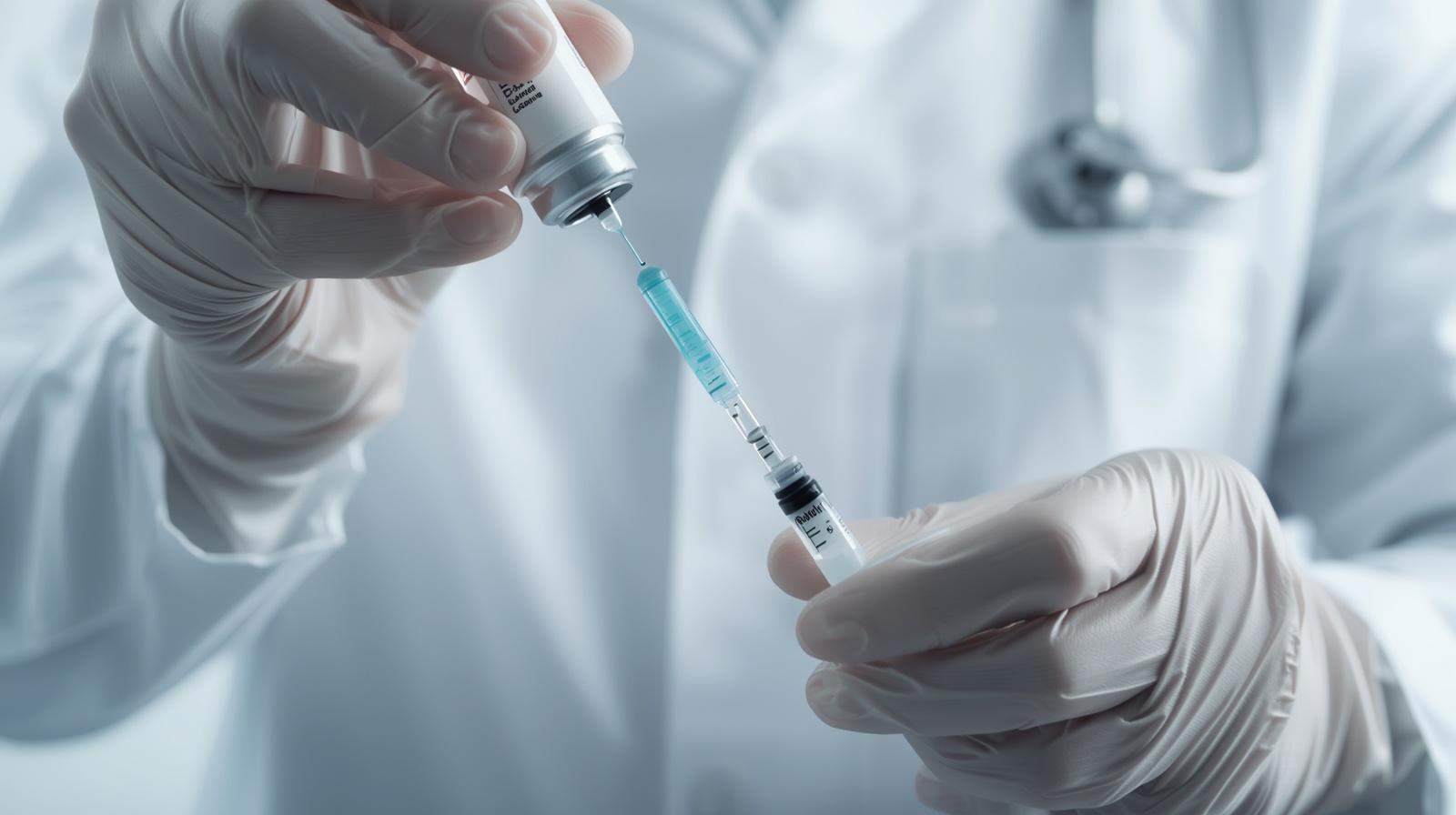
Does vaccination mean injecting the virus into yourself? After all, it doesn’t necessarily cause illness. Even if someone becomes infected and later recovers, wouldn’t they also develop antibodies? So why is vaccination still necessary?
The purpose of a vaccine is to simulate an infection by a virus or bacterium, prompting the immune system to mount a series of defensive responses. The key lies in the immune system’s ability to generate immune memory after overcoming the simulated infection. With this memory, the body can recognize the pathogen more quickly upon re-exposure and produce antibodies to fight it. The pathogens or antigens introduced through vaccination are carefully controlled—they do not cause disease but are sufficient to trigger an immune response. Some vaccines may cause mild and temporary side effects, while serious adverse reactions are extremely rare.
Different pathogens require different approaches in vaccine development, and various types of vaccines mimic infection in distinct ways. Common examples include:
If one does not get vaccinated, the immune system will still activate its defenses when faced with a real infection and will form immune memory after recovery. The crucial difference is that, without the controlled “practice run” provided by vaccination, the immune system must confront the full force of the pathogen directly. This makes severe illness or other complications more likely, increases the difficulty and duration of treatment, and raises the risk of death. In addition, unvaccinated individuals usually carry higher viral loads after infection, which heightens the risk of transmission. If an entire community remains unvaccinated, outbreaks can spread rapidly, leading to widespread infection. Once such an outbreak occurs, the sudden surge of patients can overwhelm healthcare systems, blocking resources and potentially triggering national or even global public health crises.
Therefore, vaccination allows the body to establish immune memory in advance. When facing a real infection, the immune system can produce antibodies more quickly to fight off the pathogen, resulting in milder symptoms and faster recovery. Vaccinated individuals usually carry a lower viral load after infection, which reduces the risk of transmission and lowers the likelihood of community outbreaks. Even if an outbreak occurs, when part of the community has been vaccinated, herd immunity helps slow the spread of disease, preventing the healthcare system from collapsing and keeping the situation more manageable. Thus, vaccination is not only for one’s own protection, but also for the health of humanity as a whole.
We leverage big data to bring you the most fascinating and mind-blowing trivia. Follow us for regular updates—prepare to be amazed while leveling up your knowledge.



People often think the birds are stupid, yet parrots completely overturn this stereotype. They are not only capable of learning sounds but can also reproduce human speech with striking clarity,

Magnificent mountain ranges bring unique landscapes to Earth. Towering peaks that reach into the clouds were once flat land. How do they rise from underground and soar into the sky? Let us first

Honeybees are common insects. We all know they collect nectar and bring it back to their hives, but the social hierarchy within a bee colony is fascinating and worth closer study. A typical colony

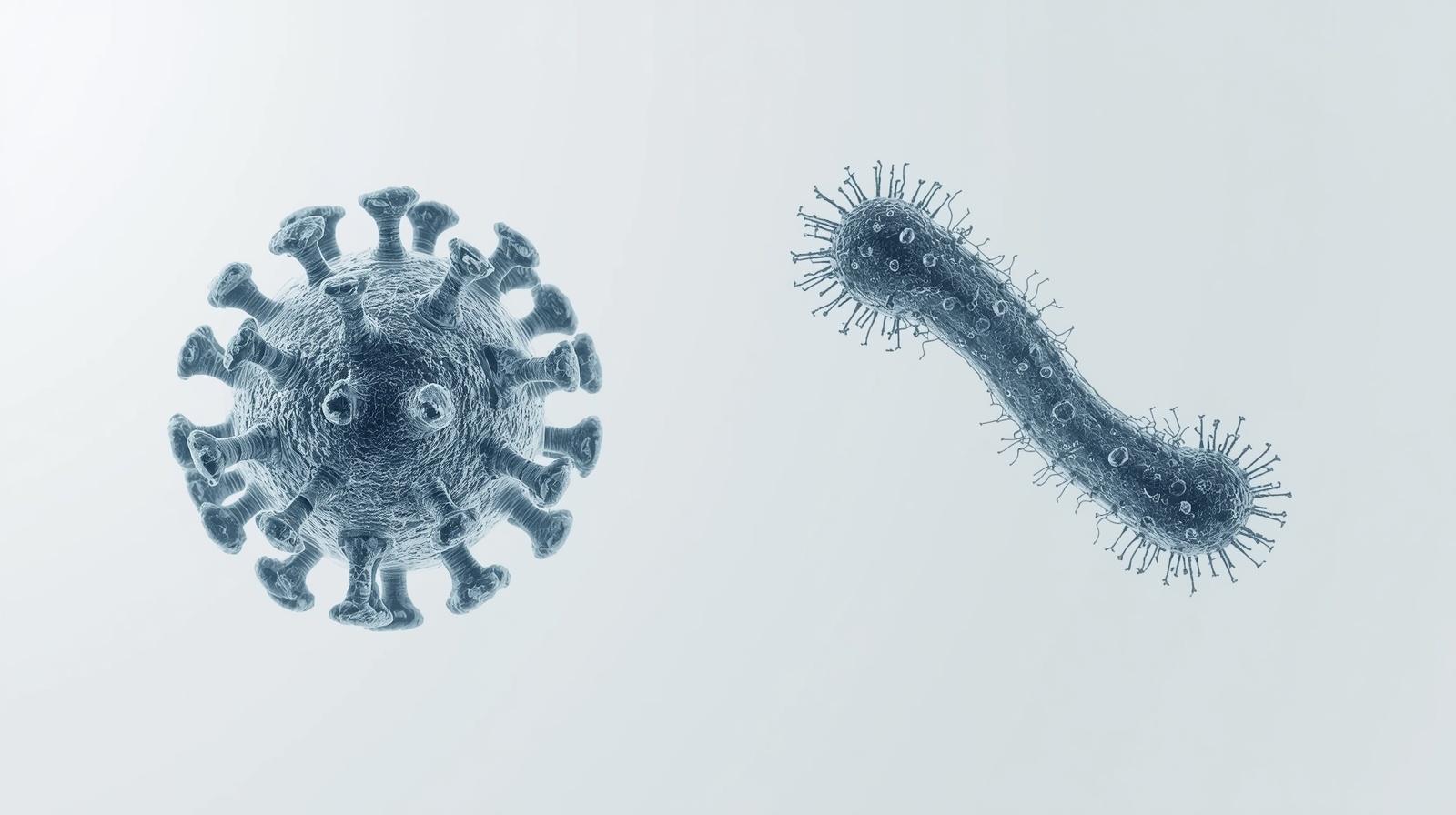
Bacteria and viruses are often mentioned together, both seen as frightening entities, but what exactly distinguishes them? Why do some people say bacteria can be treated, while viruses must be
Summer is hot, winter is cold. The seasonal changes we observe from childhood to adulthood greatly shape our lives. What force lies behind this fascinating phenomenon? The answer is the Sun. In

Atoms are the fundamental units that make up all matter in the world. They are so small that they cannot be seen with the naked eye, yet they are the building blocks of everything. At the center of

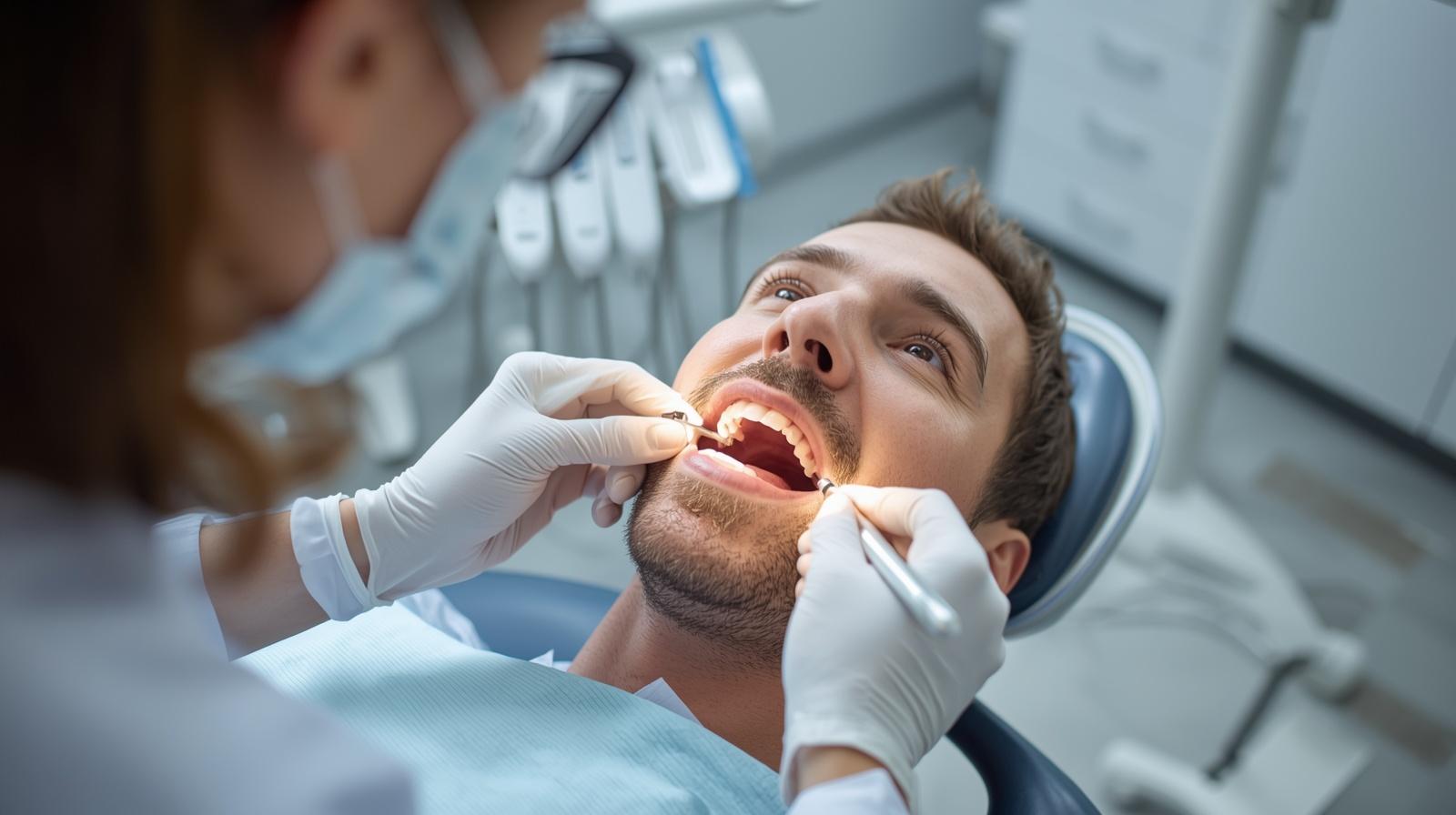
Teeth are among the hardest structures in the human body, yet even such resilient tissue can be corroded and damaged, leading to cavities. Why does this happen, and what occurs if cavities are left
The polar realms, shrouded in relentless cold and endless mystery, remain territories that most people will never set foot upon in their lifetime. The Antarctic and the Arctic lie at opposite ends of


Follow us for quirky updates, fun discoveries, and a front‑row seat to the weird and wonderful world we live in.