

Different sexes possess distinct physiological characteristics. But what determines sex, and at what point is it decided?
Humans are composed of an enormous number of cells (in the trillions). In females, the ovaries regularly release eggs. An egg is a type of cell that carries 23 chromosomes, one of which is a sex chromosome and must be carring an X chromosome, while the other 22 carry genetic information for the body. Male sperm cells are also a type of cell, carrying 23 chromosomes, with the sex chromosome being either X or Y. When a sperm carrying an X chromosome successfully fuses with an egg, the resulting zygote will have a pair of XX chromosomes and will develop into a female. When a sperm carrying a Y chromosome fuses with an egg, the resulting zygote will have a pair of XY chromosomes and will develop into a male. In other words, sex is already determined at the moment of fertilization.
After fertilization, the 23 chromosomes from the sperm and the 23 chromosomes from the egg combine to form a zygote with 46 chromosomes. This zygote begins to divide and replicate continuously, developing into various body parts and organs, and eventually into a baby. On the Y chromosome, there is a segment known as the SRY gene. During embryonic development, the SRY gene initiates the formation of testes, which then secrete testosterone, driving the development of male characteristics. Without the SRY gene, the embryo naturally develops into a female. In other words, the genetic basis of sex is established at fertilization, but the manifestation of sex characteristics is gradually completed during embryonic development.
There are, however, some rare special cases. In patients with Swyer syndrome, although their sex chromosomes are XY, the Y chromosome has lost the SRY gene segment. Without the influence of the SRY gene during embryonic development, the embryo develops female characteristics. Such patients usually have normal female external genitalia and appear no different from typical females. However, their gonads only develop into streak gonads, lacking ovarian function. As a result, estrogen secretion is insufficient, so secondary sexual characteristics such as breast and hip development do not progress as in normal females. They typically do not menstruate and cannot conceive naturally. Nevertheless, certain medical interventions can provide partial treatment—for example, taking estrogen to stimulate secondary sexual development. If the ovaries are absent but the uterus is present, pregnancy can be achieved through egg donation.
Another more common condition is Klinefelter syndrome. In these patients, an extra X chromosome is added to the usual XY set, resulting in XXY. In some cases, there may be more than one extra X chromosome. Patients develop as males and often show no obvious symptoms, with many unaware they have the condition. In some cases, however, symptoms are more pronounced, typically including small testes, insufficient testosterone secretion, breast tissue development, and sparse body hair. The most significant symptom is infertility or oligozoospermia, because the testes are underdeveloped and cannot produce sperm, or produce very few. Many patients only discover they have Klinefelter syndrome when they seek medical help for fertility problems.
We leverage big data to bring you the most fascinating and mind-blowing trivia. Follow us for regular updates—prepare to be amazed while leveling up your knowledge.



The Sun we see every day brings us warmth, light, and vitality. Yet while we take it for granted, have we ever wondered why the Sun can continuously provide energy without end? Where does its

In certain regions earthquakes occur often, while in others they are rare. What determines this difference? We know earthquakes are disasters that can cause loss of life and economic damage, but are

Summer is hot, winter is cold. The seasonal changes we observe from childhood to adulthood greatly shape our lives. What force lies behind this fascinating phenomenon? The answer is the Sun. In

Does vaccination mean injecting the virus into yourself? After all, it doesn’t necessarily cause illness. Even if someone becomes infected and later recovers, wouldn’t they also develop antibodies?
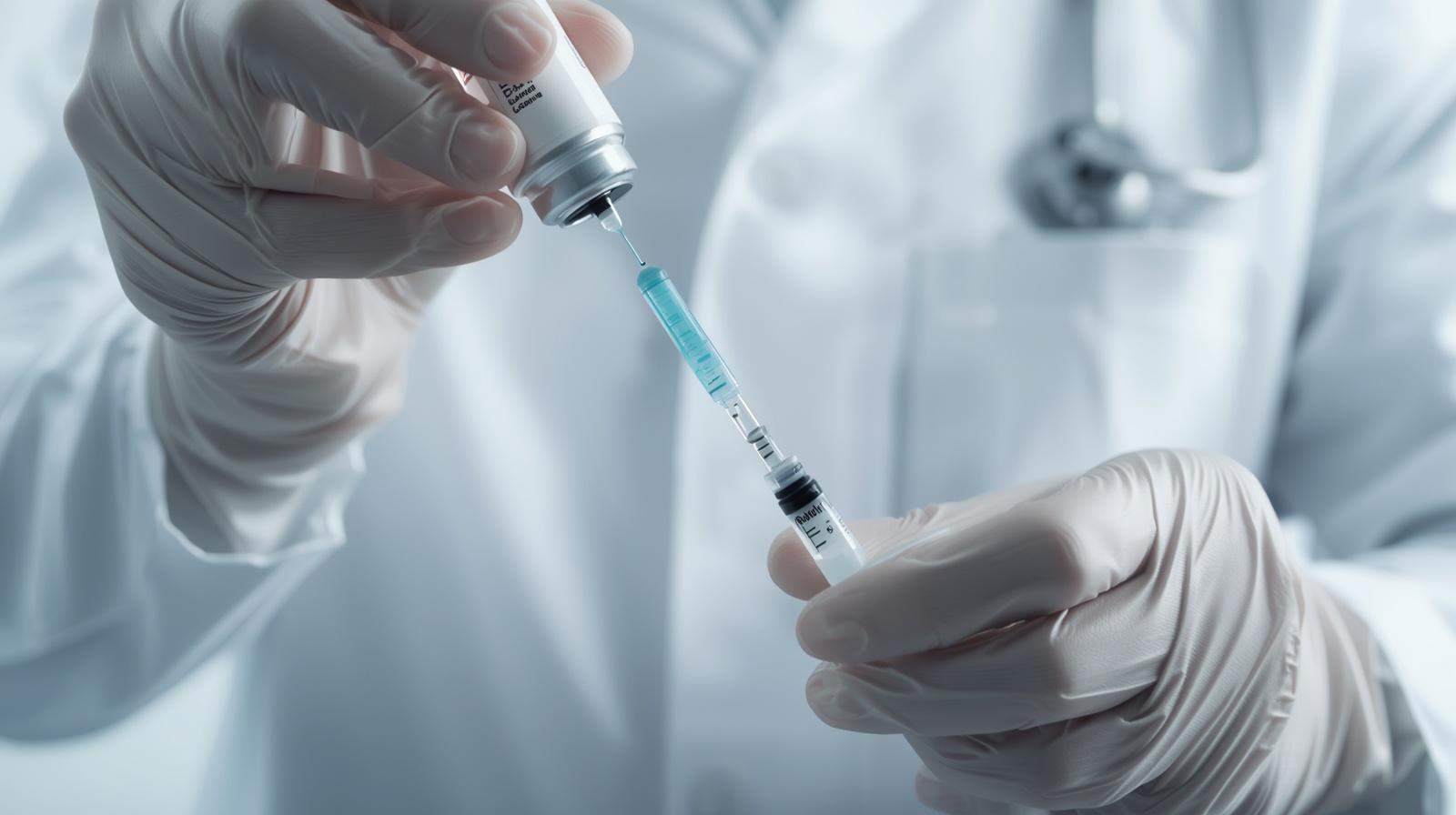
When taking antibiotics, patients are often instructed to complete the full course in order to reduce the risk of bacteria developing resistance. But why do bacteria become resistant, and what
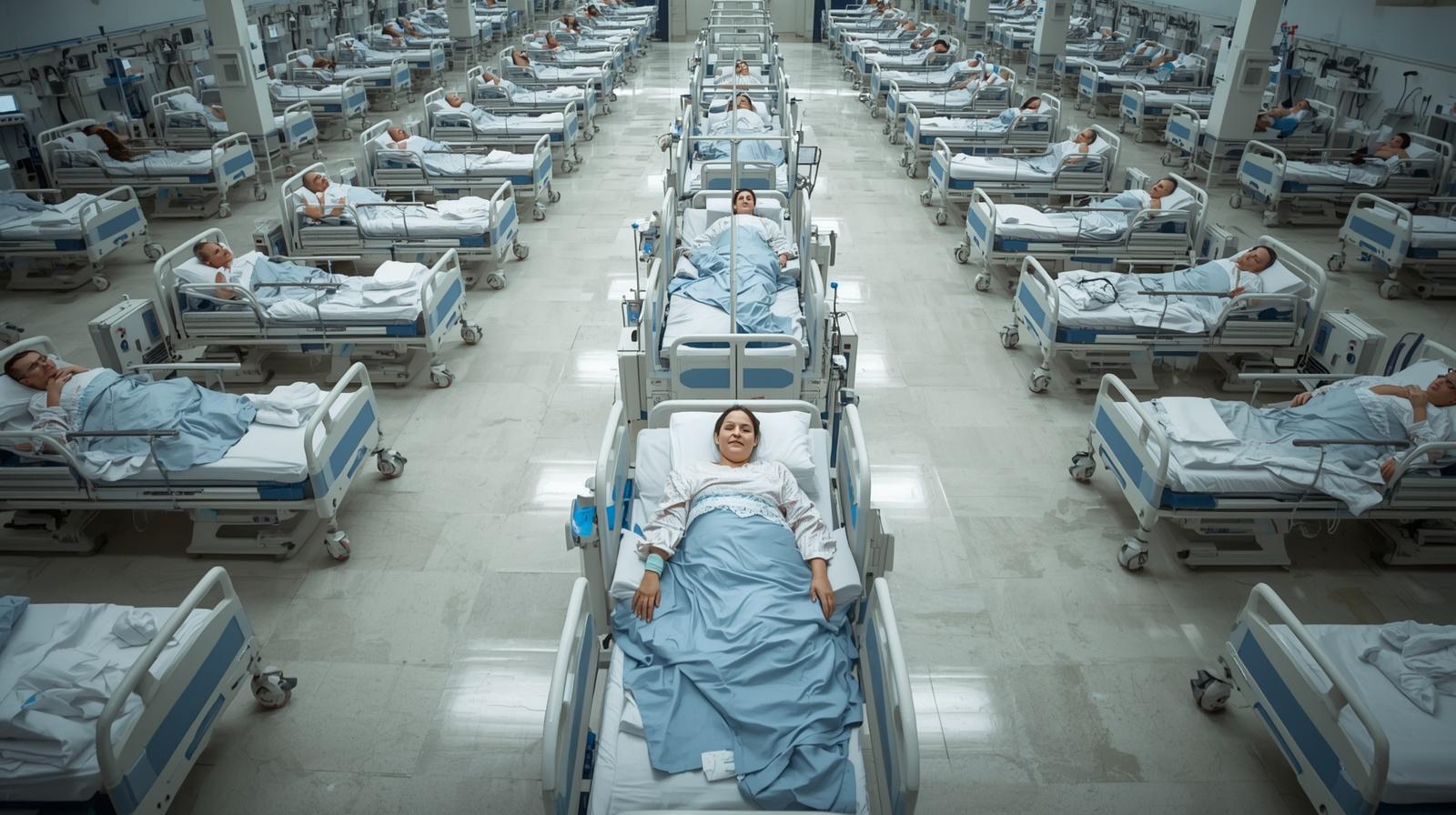
What culture and thought did the Renaissance truly aim to revive? Why did the course of history bring about the necessity of such a “rebirth”? And what form did human society take during the Middle

In human society, the most immediate differences often arise from appearance. Walking down the street or browsing through historical images, we find that human looks display astonishing diversity.

In human appearance, hair is often the most striking feature. It not only shapes our image but also carries cultural and aesthetic significance. Yet not everyone can maintain a full head of hair over



Follow us for quirky updates, fun discoveries, and a front‑row seat to the weird and wonderful world we live in.