
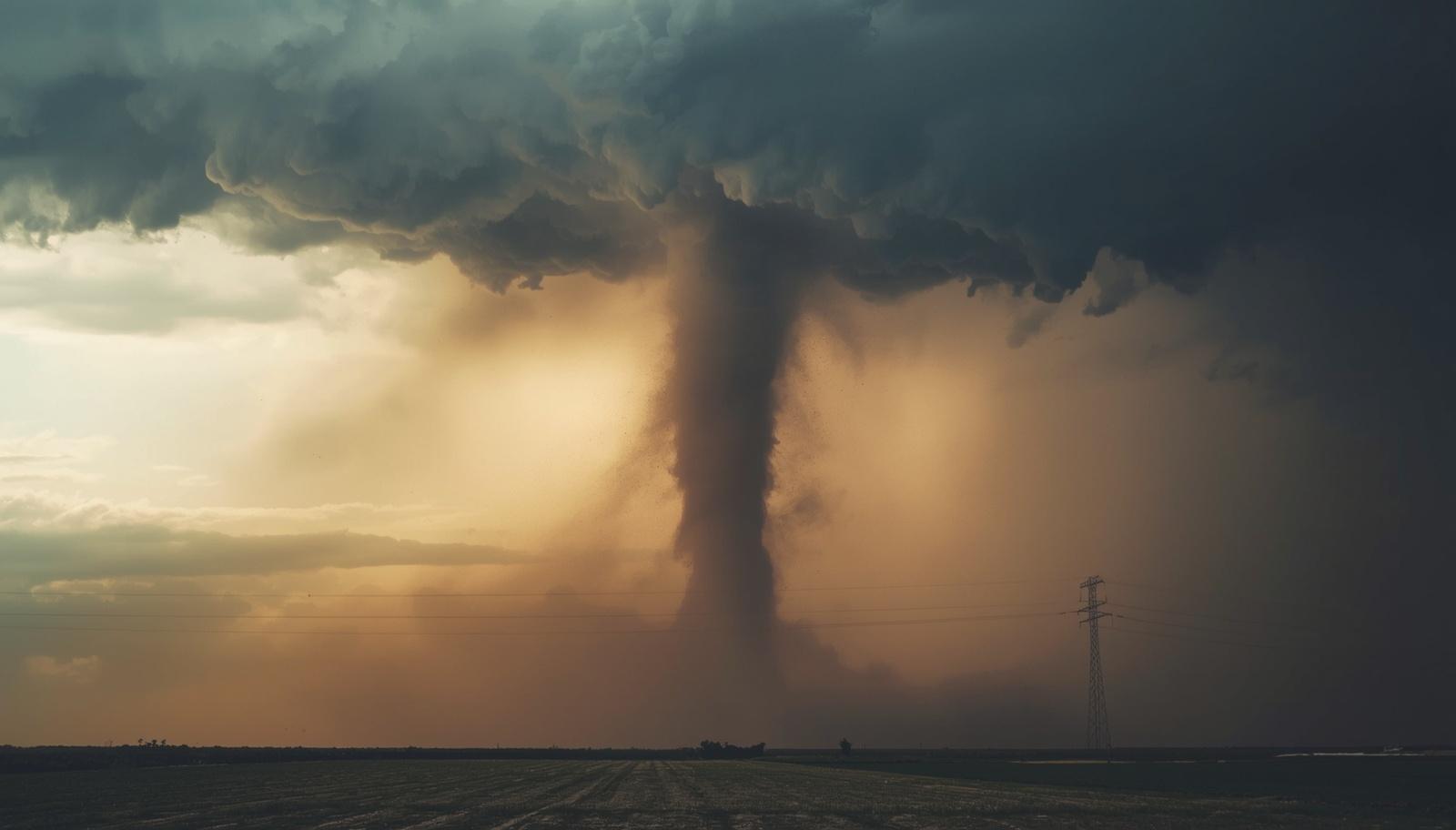
A tornado is an extreme weather phenomenon, essentially a rapidly rotating column of air formed within powerful convective thunderstorms. When warm, moist air collides with cold, dry air, intense updrafts are created. Combined with changes in wind speed and direction at different altitudes (known as wind shear), these conditions can cause the air to begin rotating and gradually tighten into a narrow vortex.
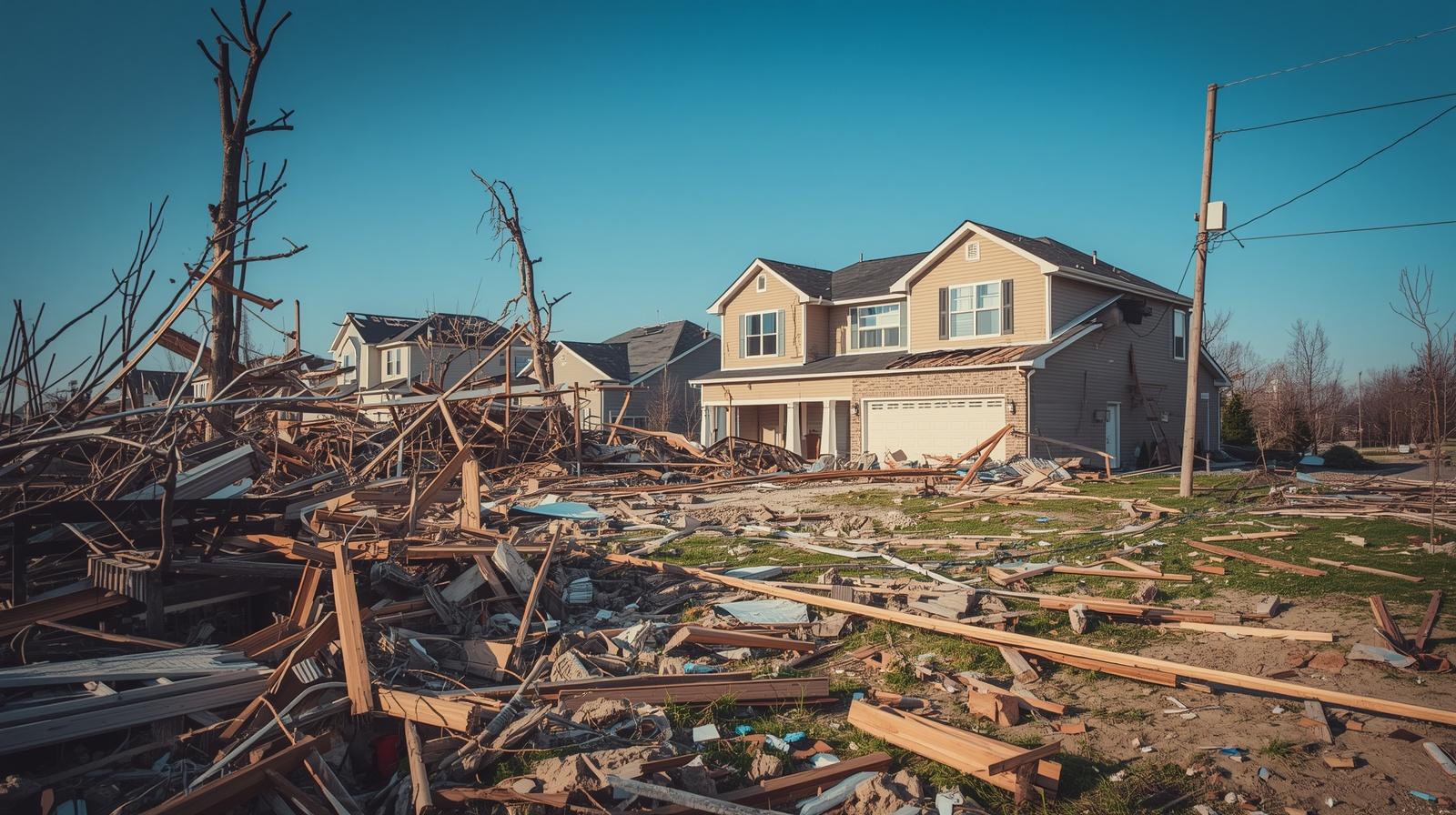
Once this vortex touches the ground, it becomes a tornado. Its destructive power comes from extraordinarily high wind speeds and the debris it carries, capable of demolishing buildings, uprooting trees, and hurling large objects over great distances. For this reason, tornadoes are regarded as one of the most devastating natural disasters.
If a person is pulled into a tornado, they would face a series of extreme dangers, with survival being highly unlikely: 🌪️ Violent suction and ejection: The tornado’s updraft acts like a massive vacuum, lifting a person off the ground in an instant. Once airborne, the body is hurled into the sky and then flung out at tremendous speed. The impact upon landing can cause broken bones, internal injuries, or death. 🌪️ High-speed rotation: Inside the vortex, wind speeds can exceed 200–300 km/h. A person caught in this rotation would be tossed around like a rag doll, losing all sense of direction. The violent spinning can cause dizziness, vomiting, or unconsciousness, leaving them defenseless. 🌪️ Debris impact: Tornadoes sweep up everything nearby—wood, metal, glass, even vehicles. These objects become deadly projectiles, striking with lethal force. Even if not directly hit, the sheer presence of debris flying at high speed adds immense danger. 🌪️ Pressure drop and breathing difficulty: The core of a tornado has much lower air pressure than its surroundings, which can rupture eardrums and cause severe pain. Dust and debris carried by the winds make breathing difficult, potentially leading to suffocation or loss of consciousness.
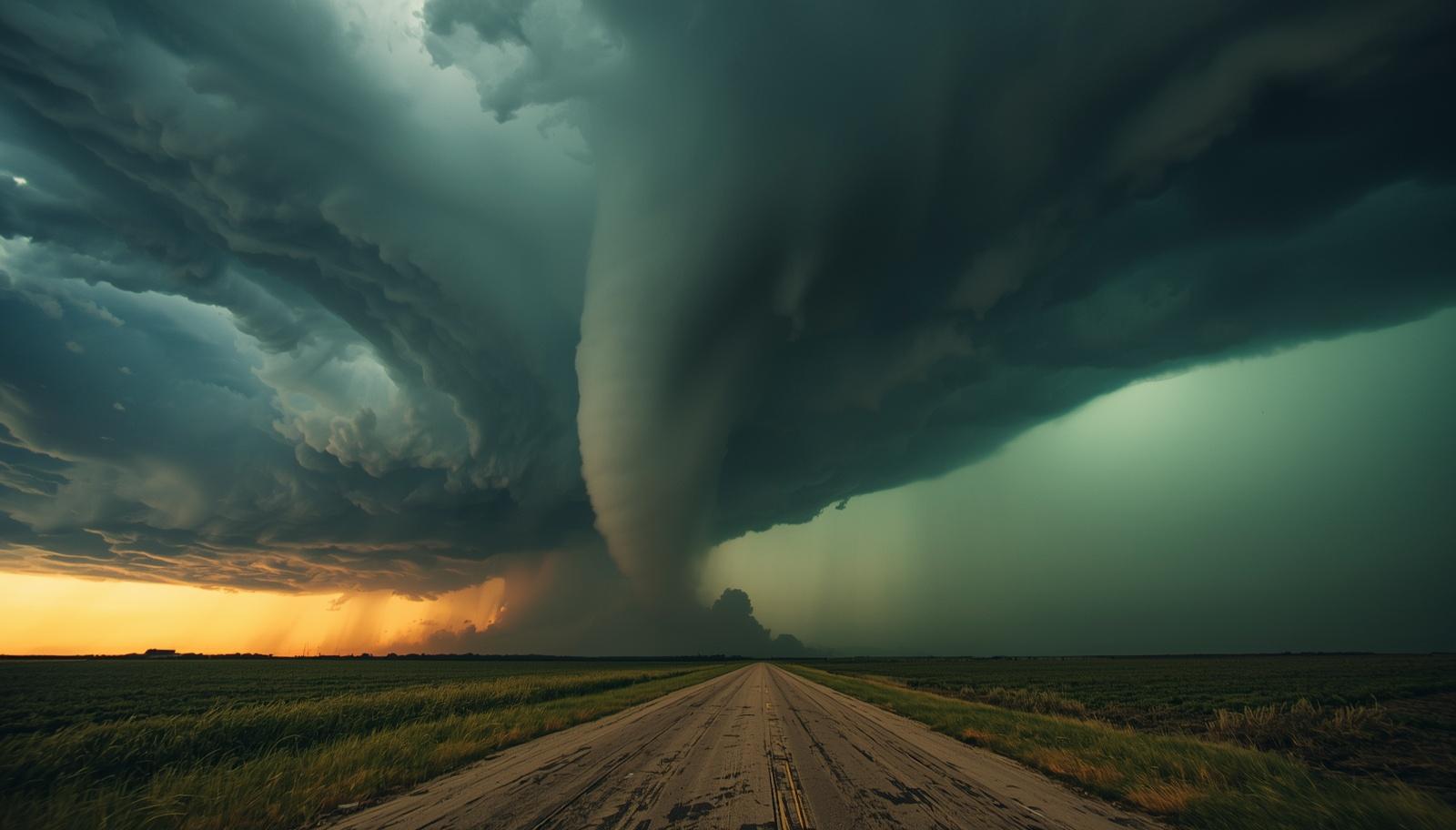
Being sucked into a tornado almost always means facing multiple fatal threats. History records many deaths caused by tornadoes, though in rare cases, some individuals have miraculously survived.
One of the most remarkable survival stories is that of Matt Suter, a 19-year-old from Missouri, USA, in the spring of 2006. During a severe thunderstorm, an F2 tornado struck his grandmother’s trailer home. As he tried to close a window, the tornado tore the structure apart and pulled him into its swirling winds.
Matt was lifted and violently spun through the air, surrounded by flying wood and metal fragments. Astonishingly, he was thrown nearly 400 meters (about 1,300 feet)—one of the farthest distances a human has ever been hurled by a tornado and lived to tell the tale. He landed in a field with only minor injuries, a few bruises and scrapes, but no life-threatening harm.
He later recalled the experience as being suddenly engulfed in chaos, unable to breathe or see, completely at the mercy of the storm. Surviving, he admitted, felt nothing short of a miracle.
Yet such outcomes are exceedingly rare. Tornadoes remain among the most dangerous natural disasters, combining violent winds, suction forces, and lethal debris. While a handful of people have survived against all odds, the vast majority of those caught in tornadoes face deadly consequences, underscoring their reputation as one of nature’s most destructive forces.
We leverage big data to bring you the most fascinating and mind-blowing trivia. Follow us for regular updates—prepare to be amazed while leveling up your knowledge.



In certain regions earthquakes occur often, while in others they are rare. What determines this difference? We know earthquakes are disasters that can cause loss of life and economic damage, but are
In discussions about food, we often hear the terms sugar, saccharides, starch, and carbohydrates. Are they the same thing? Saccharides and carbohydrates refer to the same category of substances.

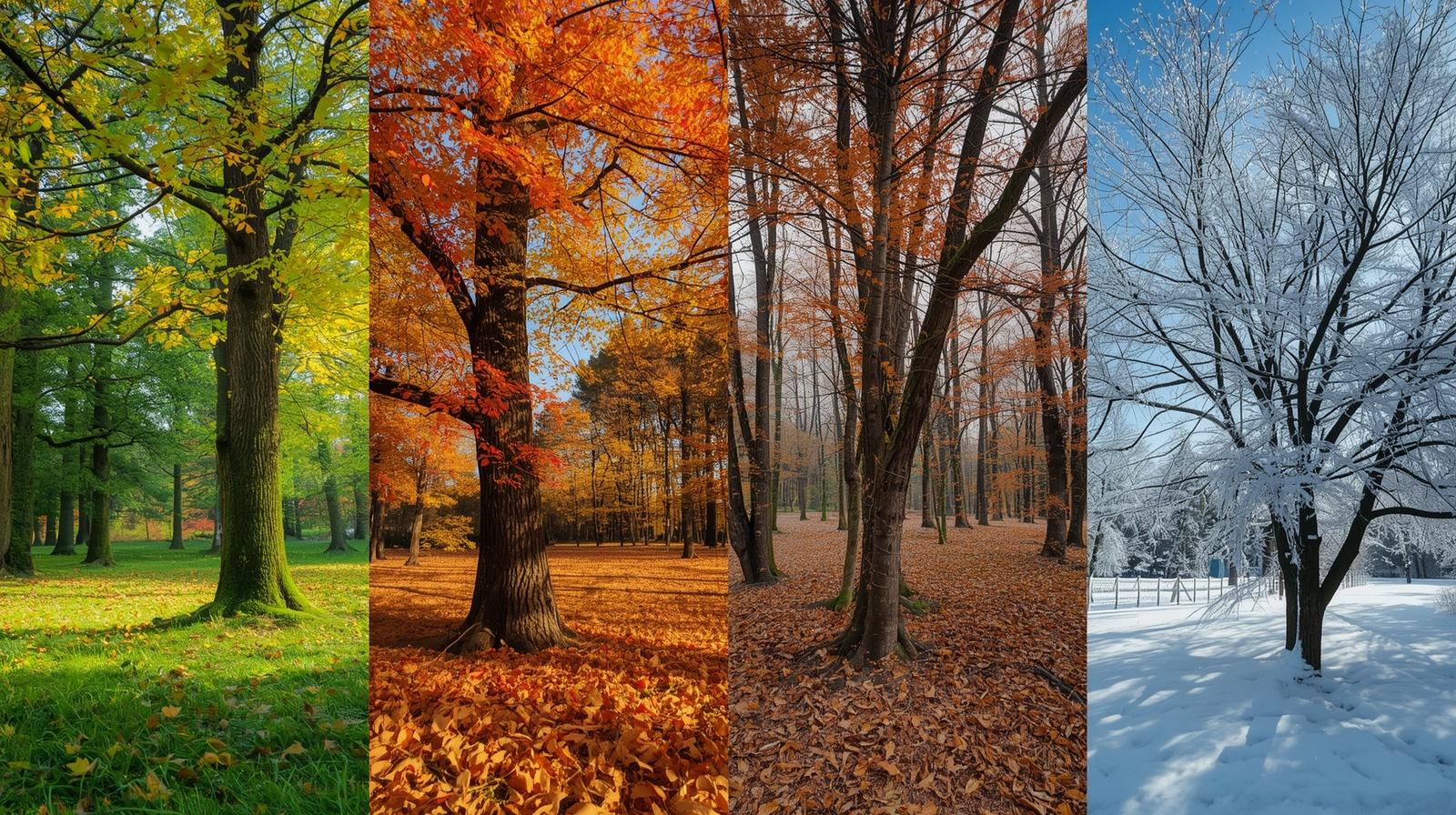
Summer is hot, winter is cold. The seasonal changes we observe from childhood to adulthood greatly shape our lives. What force lies behind this fascinating phenomenon? The answer is the Sun. In
When taking antibiotics, patients are often instructed to complete the full course in order to reduce the risk of bacteria developing resistance. But why do bacteria become resistant, and what
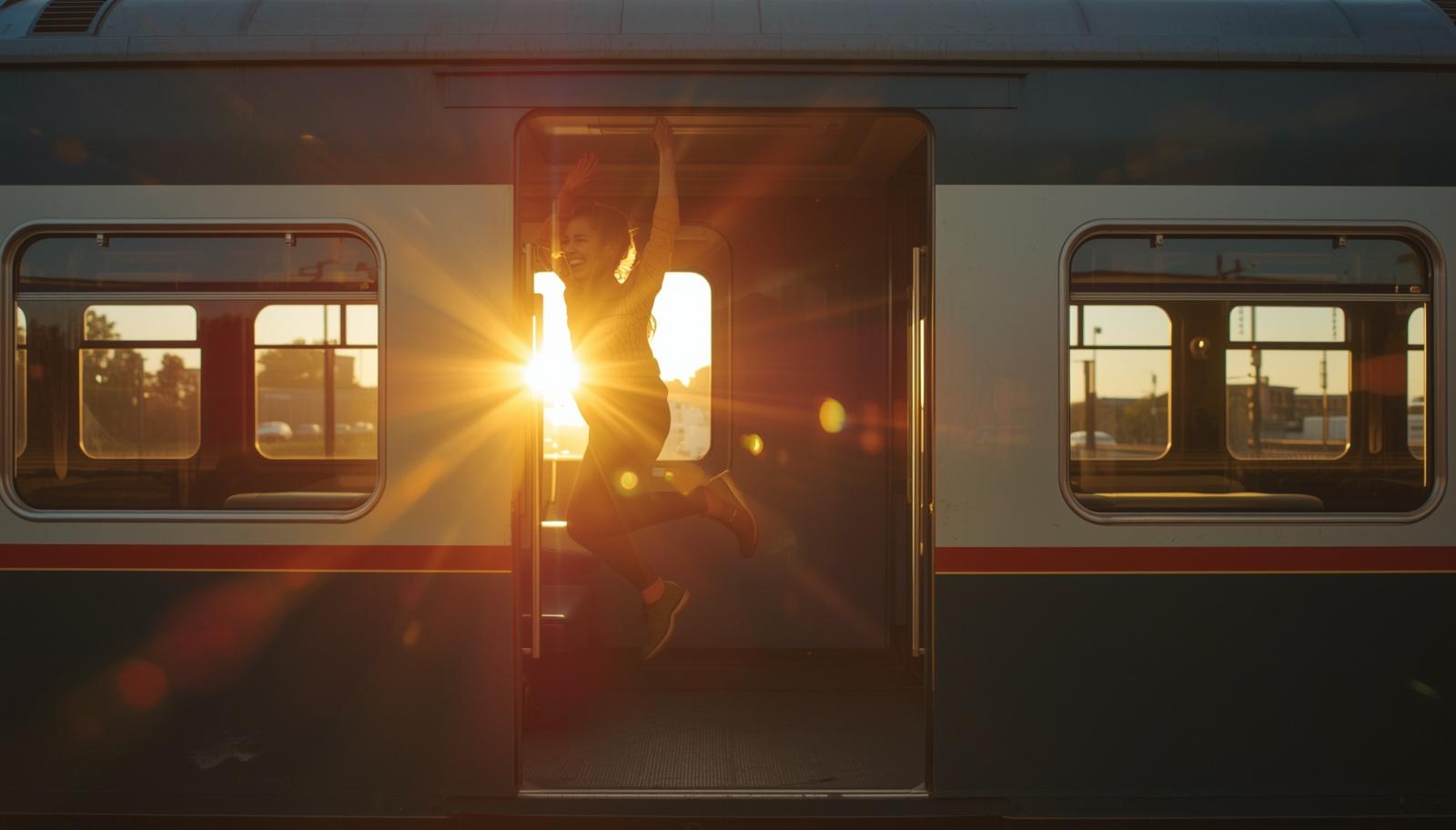
For many people, trains are part of everyday life. Why is it that when you jump inside a train carriage, you land back in the same place instead of falling backward? And what happens if you jump on
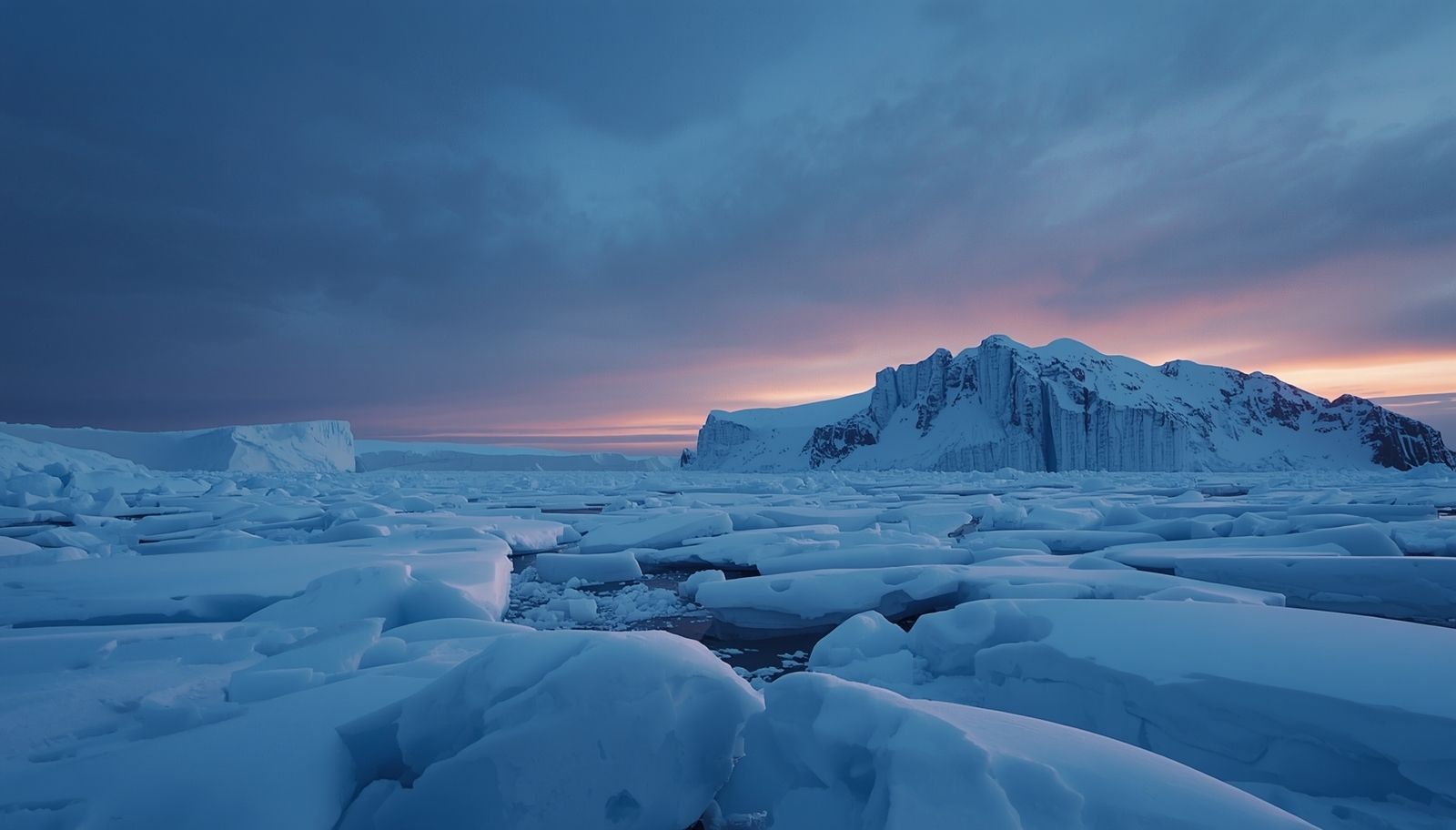
The polar realms, shrouded in relentless cold and endless mystery, remain territories that most people will never set foot upon in their lifetime. The Antarctic and the Arctic lie at opposite ends of
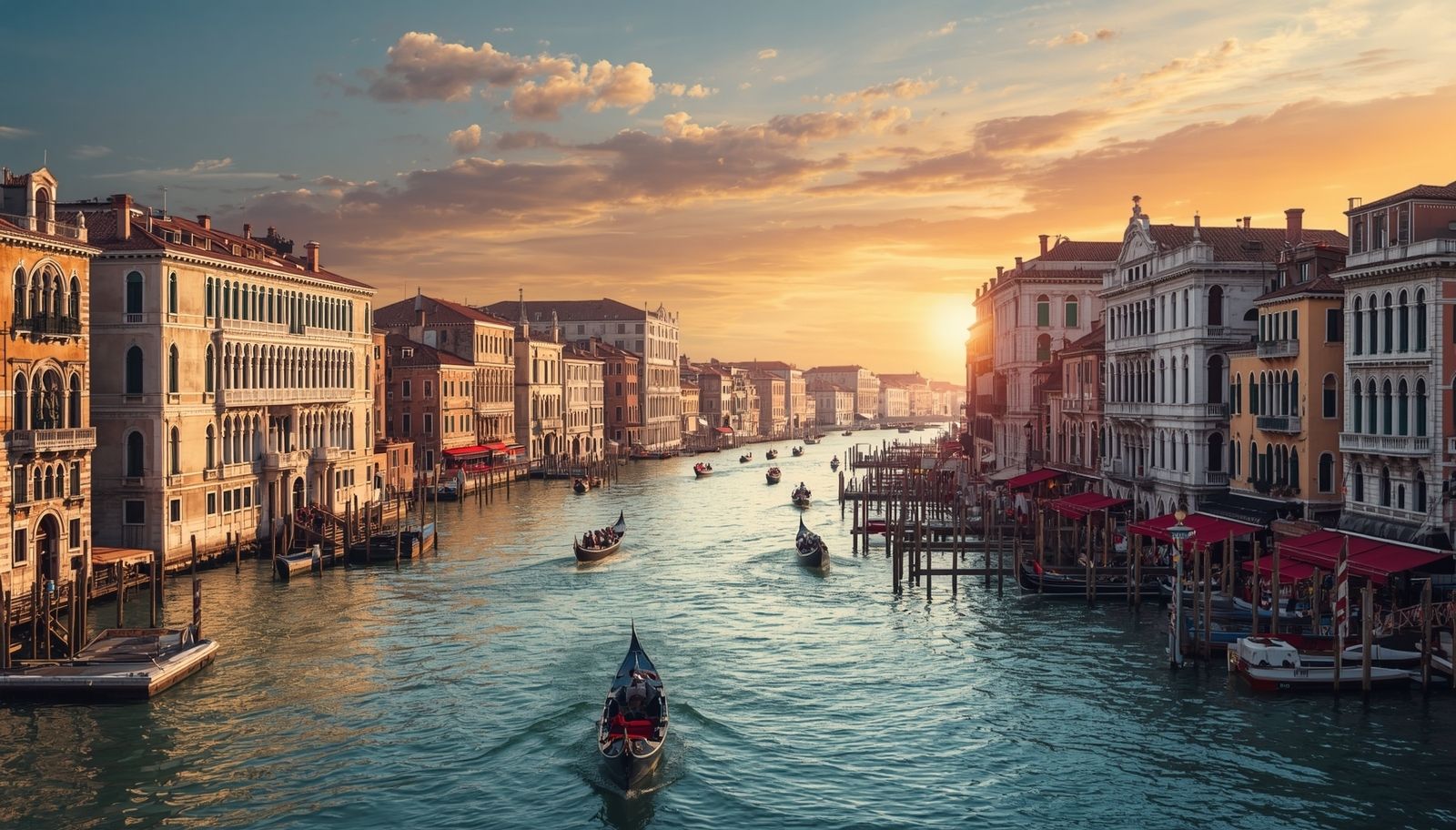
Venice is a city in northeastern Italy, lying close to the Adriatic Sea. What makes it unique is that the entire city is composed of numerous small islands, separated by canals, linked by bridges,
In human appearance, hair is often the most striking feature. It not only shapes our image but also carries cultural and aesthetic significance. Yet not everyone can maintain a full head of hair over



Follow us for quirky updates, fun discoveries, and a front‑row seat to the weird and wonderful world we live in.