
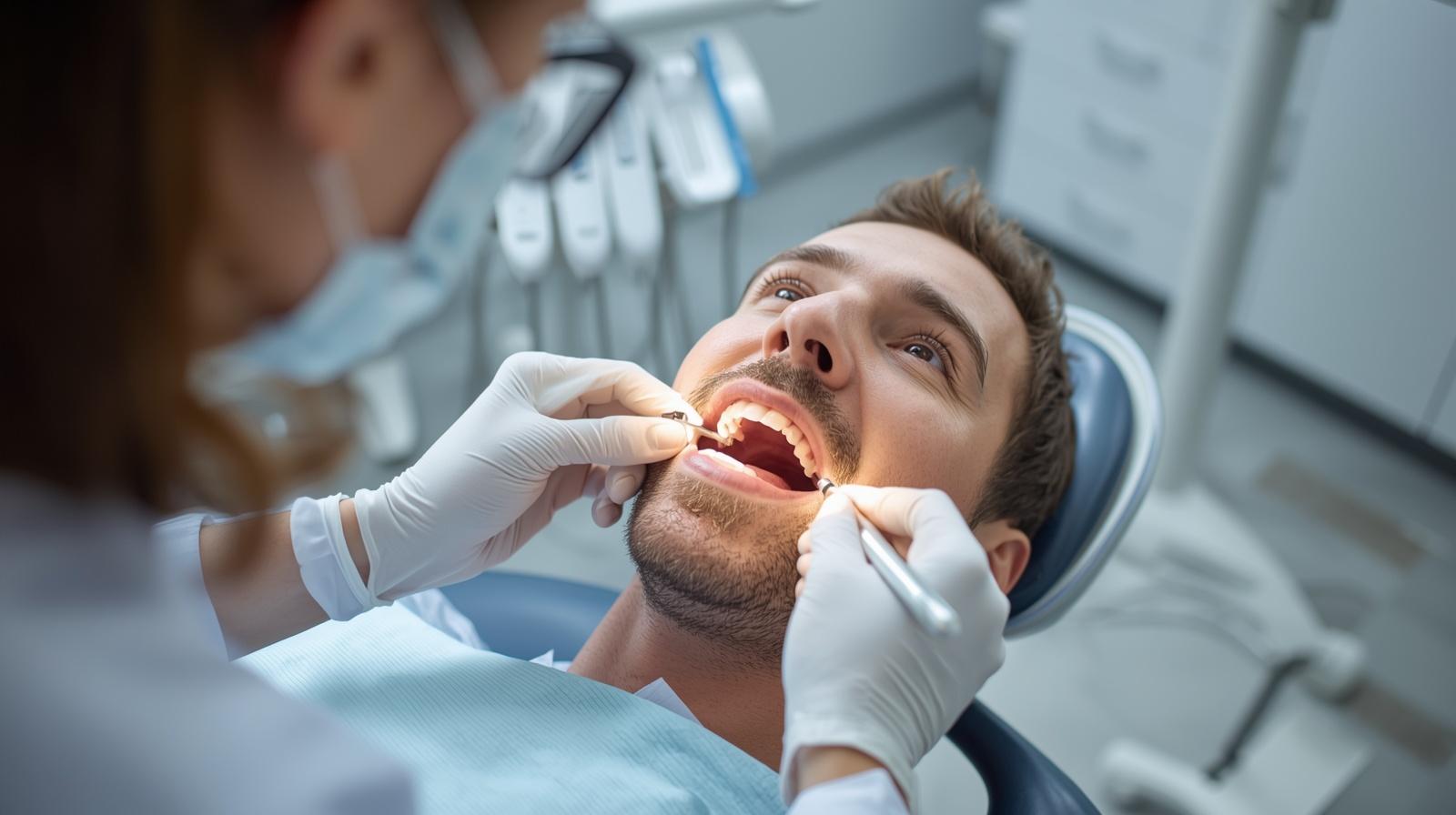
Teeth are among the hardest structures in the human body, yet even such resilient tissue can be corroded and damaged, leading to cavities. Why does this happen, and what occurs if cavities are left untreated?
The outermost layer of the tooth is enamel, the hardest substance in the body—harder even than bone. It encases the tooth, allowing us to bite and chew while shielding the inner structures. However, enamel contains no nerves or blood vessels, so once it is damaged it cannot repair itself and requires external treatment. Beneath the enamel lies the dentin, which is softer and filled with microscopic tubules that connect directly to the pulp. Because of this, when decay reaches the dentin, sensitivity and pain begin. Dentin can produce a limited amount of reparative tissue, but this process is incomplete and cannot restore the tooth to its original state. At the core is the pulp, a soft tissue rich in nerves and blood vessels that nourishes the tooth and keeps it alive. If decay penetrates the pulp, severe pain and infection follow.
Cavities form primarily due to dental plaque. When we consume sugary foods or carbohydrates, bacteria in the mouth combine with sugars to create plaque, which produces acids that erode enamel. In the earliest stage, this erosion—known as demineralization—causes no pain and is often overlooked. As the damage progresses into the dentin, discomfort becomes noticeable, especially when eating sweet, hot, or cold foods. If decay advances further into the pulp, intense pain develops, the nerve tissue begins to die, the tooth may darken, and infection can spread to the root. At this stage, tooth loss is likely, and complications such as periodontitis or jawbone damage may arise. In rare, extreme cases, bacteria can enter the bloodstream and cause systemic illness. While death is exceedingly uncommon, tooth loss and localized infection are frequent outcomes.
In the earliest phase of decay, saliva can help remineralize enamel to a limited extent, and fluoride toothpaste or mouthwash can both inhibit bacterial activity and strengthen enamel. These measures are effective only for very shallow cavities. Once decay reaches the dentin, natural repair is no longer possible, and a dentist must remove the decayed tissue and restore the tooth with a filling. If the pulp is affected, root canal therapy is required to remove dead tissue, or extraction may be necessary to prevent further infection.
Plaque that is not removed over time hardens into tartar. Tartar itself does not directly cause cavities, but it worsens gum disease and weakens the structures that support teeth, increasing the risk of loosening and eventual tooth loss. This is why regular professional cleaning is essential—it removes tartar and reduces the risk of periodontal disease.
Modern dentistry offers effective treatments for cavities, but prevention is always better than cure. Limiting sugary foods and drinks, brushing twice daily with fluoride toothpaste, drinking plenty of water to keep the mouth clean, scheduling regular dental cleanings, and undergoing routine check-ups are all fundamental practices for protecting oral health. Cavities never heal on their own; they only worsen over time. Early treatment is simpler and less costly, while delayed treatment becomes more complex and expensive. Ultimately, maintaining healthy teeth depends on good daily habits and timely professional care.
We leverage big data to bring you the most fascinating and mind-blowing trivia. Follow us for regular updates—prepare to be amazed while leveling up your knowledge.



When an airplane is about to take off, flight attendants always remind us of different things or ask us to do certain actions. What is the reason behind these instructions? When the plane is

Volcanoes are breathtakingly majestic, drawing countless visitors to admire their scenery. But what would happen if someone were to slip and fall into one? The terrain around a volcanic crater is

Across the world, vinegar comes in many varieties and flavors, stimulating the human palate. Yet vinegar often develops sediment on its own—sometimes appearing as threads, umbrella-like shapes, or

For many people, losing weight feels like a lifelong mission. In today’s world of abundance, food shortages are no longer a concern. Instead, overnutrition has led to widespread obesity. ###

What culture and thought did the Renaissance truly aim to revive? Why did the course of history bring about the necessity of such a “rebirth”? And what form did human society take during the Middle

The polar realms, shrouded in relentless cold and endless mystery, remain territories that most people will never set foot upon in their lifetime. The Antarctic and the Arctic lie at opposite ends of

The droplets that fall from the sky are not always the same. At times they are raindrops, striking eaves and streets; at other times they are snowflakes, gently covering rooftops and fields. Both

In human society, the most immediate differences often arise from appearance. Walking down the street or browsing through historical images, we find that human looks display astonishing diversity.



Follow us for quirky updates, fun discoveries, and a front‑row seat to the weird and wonderful world we live in.