
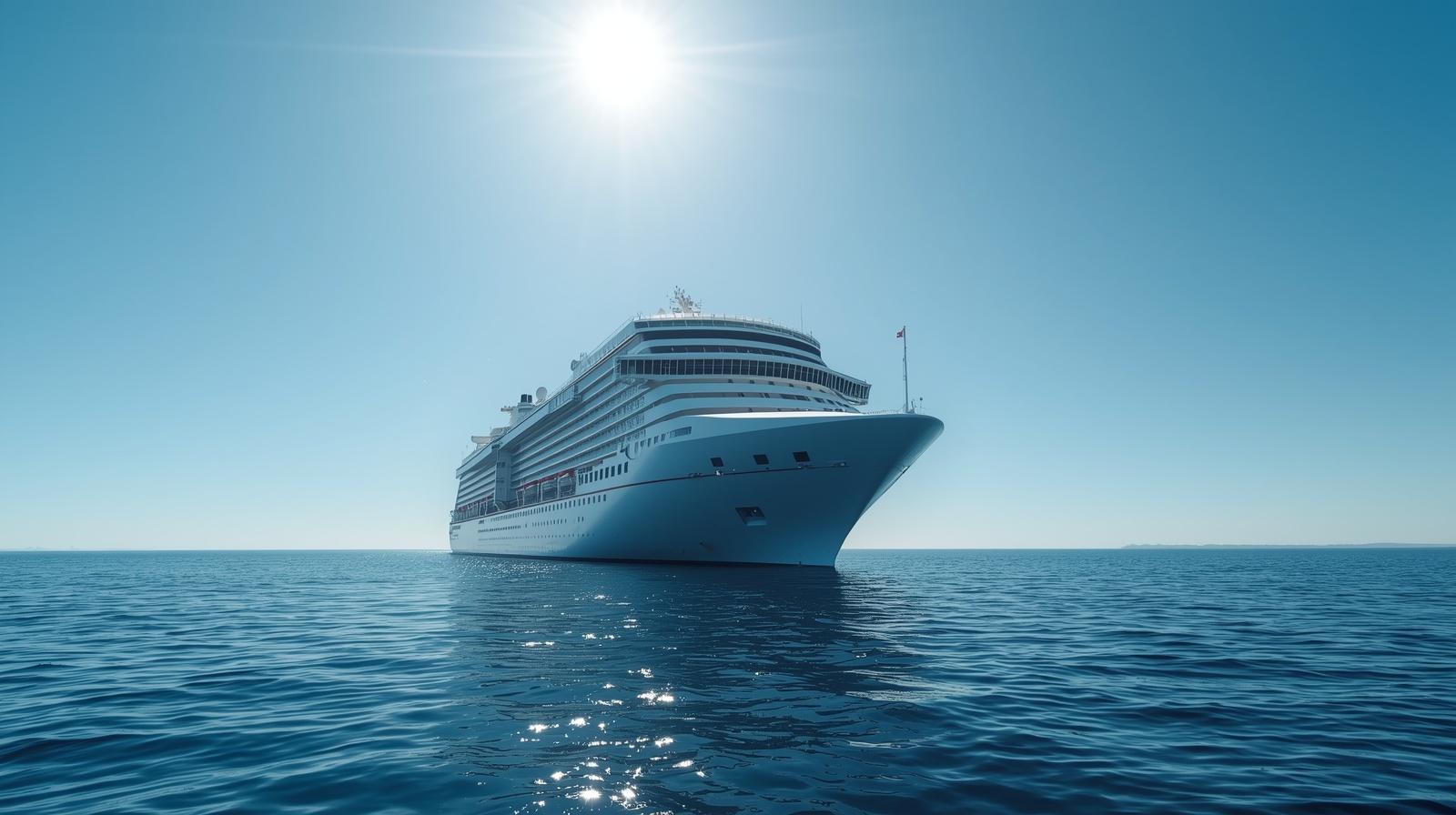
Massive cruise liners, cargo ships, and oil tankers may weigh hundreds of thousands of tons, yet they sail freely on the sea. In contrast, a stone far smaller in size and weight sinks to the seabed. Why is this so?
Whether an object floats or sinks in water depends on the comparison between its average density and that of water. Density is the mass contained in a unit volume, and every object has its own density. When the average density is greater than water, the object sinks; when it is less, the object floats. Because seawater contains salt, its density is higher than that of freshwater, which is why objects float more easily in the sea than in a lake.
According to Archimedes’ principle, when an object is immersed in any fluid, it experiences an upward buoyant force equal to the weight of the fluid displaced. If the buoyant force exceeds the object’s weight, the object floats; if it is less, the object sinks; if equal, the object remains suspended. In other words, when an object with an average density greater than water is immersed, the buoyant force produced by the displaced water is insufficient to support or counterbalance its weight, and the object sinks.
A giant ship, though built with materials of high density, is designed with hollow spaces. Despite its enormous size and heavy weight, its average density remains lower than water. When placed in water, it sinks to a certain depth, displacing enough water to generate sufficient buoyant force. A stone, though far lighter than a ship, has a small volume and an average density greater than seawater. The water it displaces cannot support its weight, so it sinks to the seabed.
Displacement is often used to describe a ship, referring to the weight of the water displaced. When a ship is immersed, it experiences an upward buoyant force equal to the weight of the displaced water. A ship floats because its weight and buoyant force reach equilibrium. At this point, the displacement equals the buoyant force, which also equals the ship’s weight. Thus, knowing a ship’s displacement reveals its weight.
If an object can control its own density, buoyant force, or displacement, it can freely rise or sink in water. Submarines are vessels that fully exploit this principle. Inside a submarine are large ballast tanks that can be filled with or emptied of seawater. Filling the ballast tanks increases the submarine’s average density, causing it to sink; emptying them and filling with compressed air decreases its average density, causing it to rise.
When the submarine descends to a target depth with its ballast tanks full, it then expels a certain amount of water so that its average density equals that of seawater. This achieves neutral buoyancy, allowing the submarine to remain at that depth in stealth. In practice, submarines also rely on trim tanks and hydroplanes to maintain stability and orientation, while accounting for water pressure and other factors.
We leverage big data to bring you the most fascinating and mind-blowing trivia. Follow us for regular updates—prepare to be amazed while leveling up your knowledge.



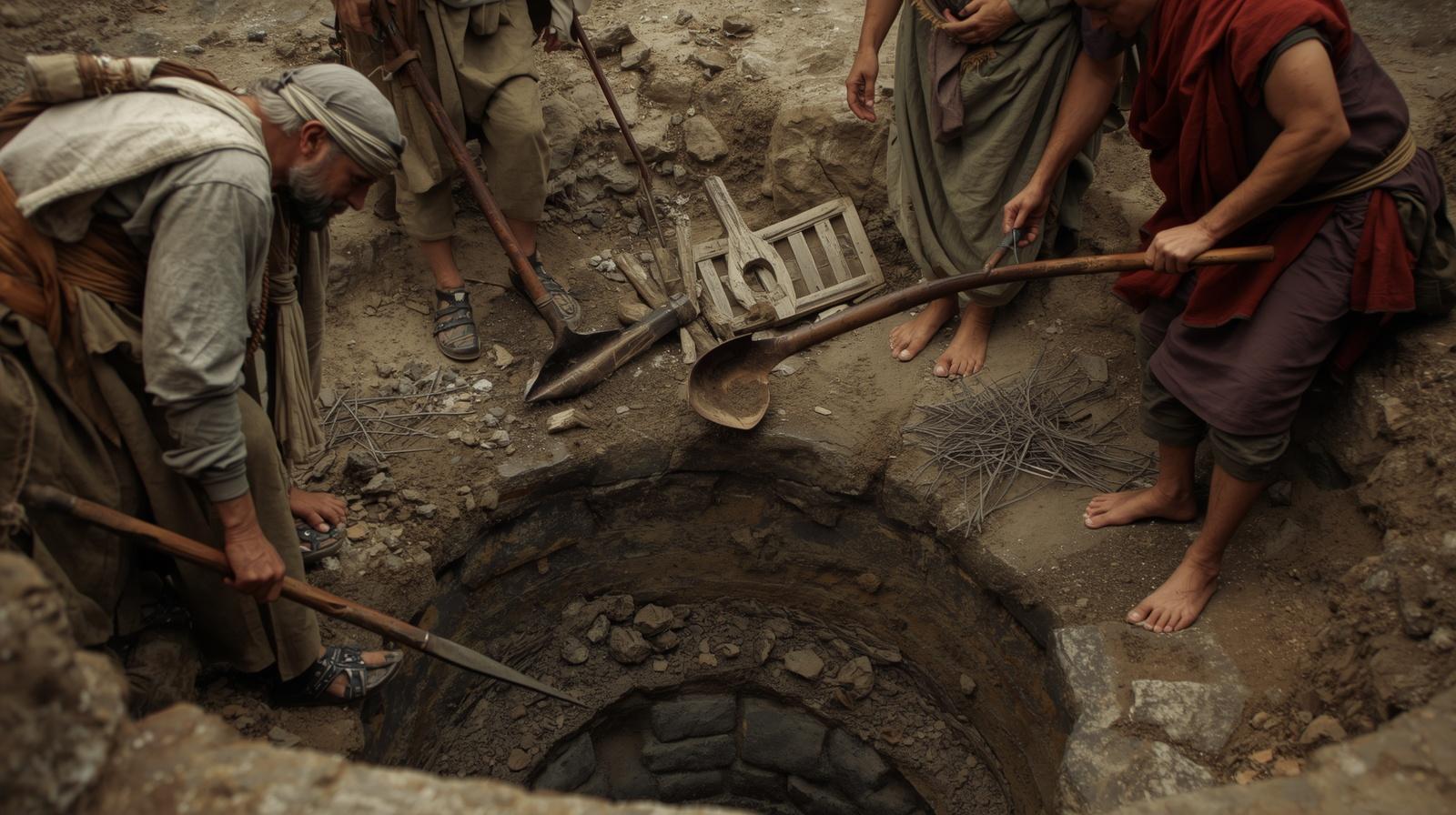
Looking back through history, we find that ancient people drew water from wells for daily use. But how exactly did they dig wells, and how did they know whether underground water was
The current global situation of myopia has become a significant public health issue. With the advance of urbanization and the widespread use of technology, human lifestyles have undergone profound

We often forget different things, but many of them are ones we’d rather remember—especially when studying or learning, where newly acquired knowledge seems to slip away quickly. How does the human

Does vaccination mean injecting the virus into yourself? After all, it doesn’t necessarily cause illness. Even if someone becomes infected and later recovers, wouldn’t they also develop antibodies?

Durian, hailed as the “King of Fruits,” is renowned for its thick, spiky shell and its powerful aroma. Its appearance serves both as a natural defense and a sign of ripeness, while its distinctive

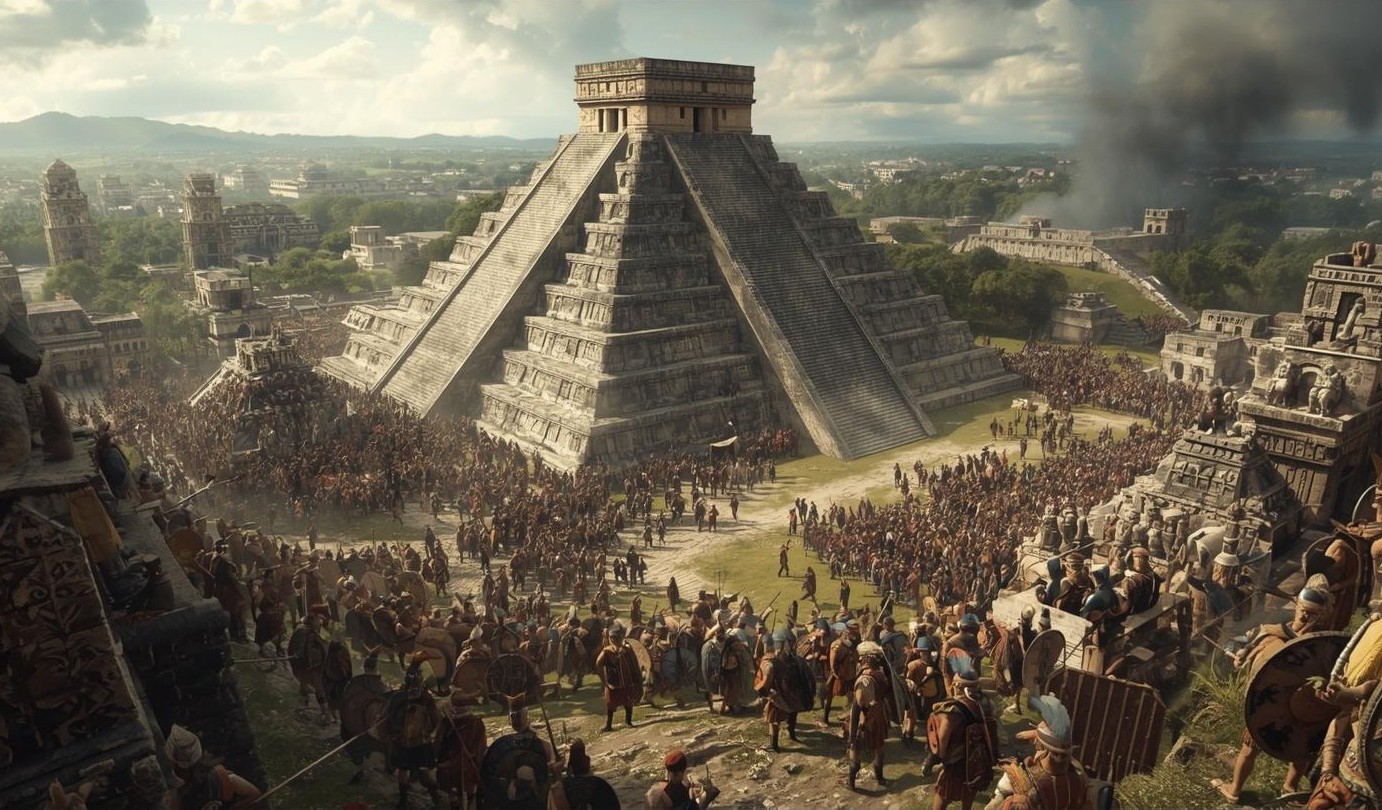
The Maya civilization was once highly advanced, achieving remarkable accomplishments in science and technology that surpassed many contemporary cultures. Yet, why was it still invaded and ultimately
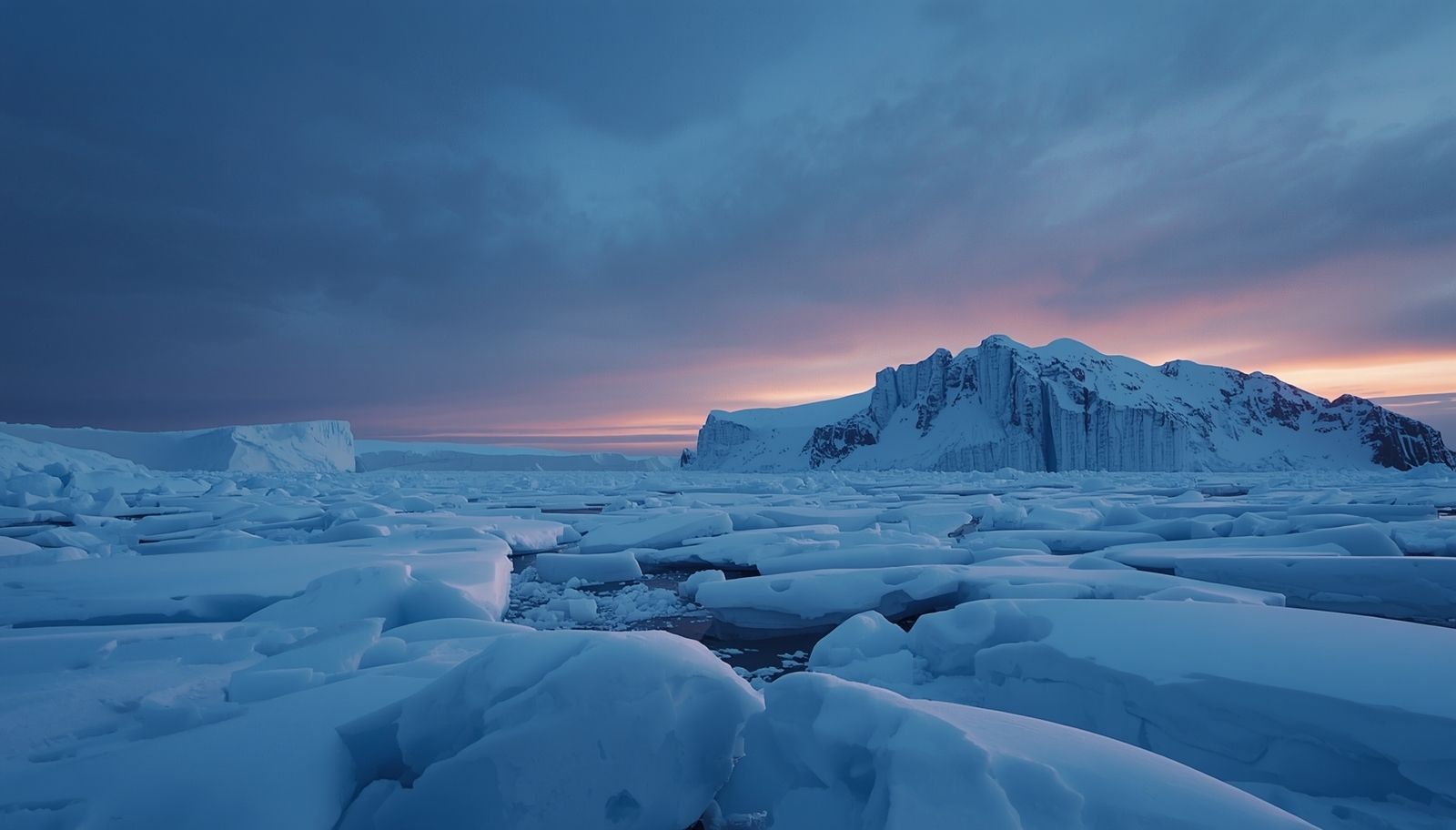
The polar realms, shrouded in relentless cold and endless mystery, remain territories that most people will never set foot upon in their lifetime. The Antarctic and the Arctic lie at opposite ends of
Stepping into the tropical rainforest, people are often astonished by the sheer size of its creatures: beetles as thick as a thumb, butterflies with wings as wide as a hand, and even frogs and ants


Follow us for quirky updates, fun discoveries, and a front‑row seat to the weird and wonderful world we live in.