
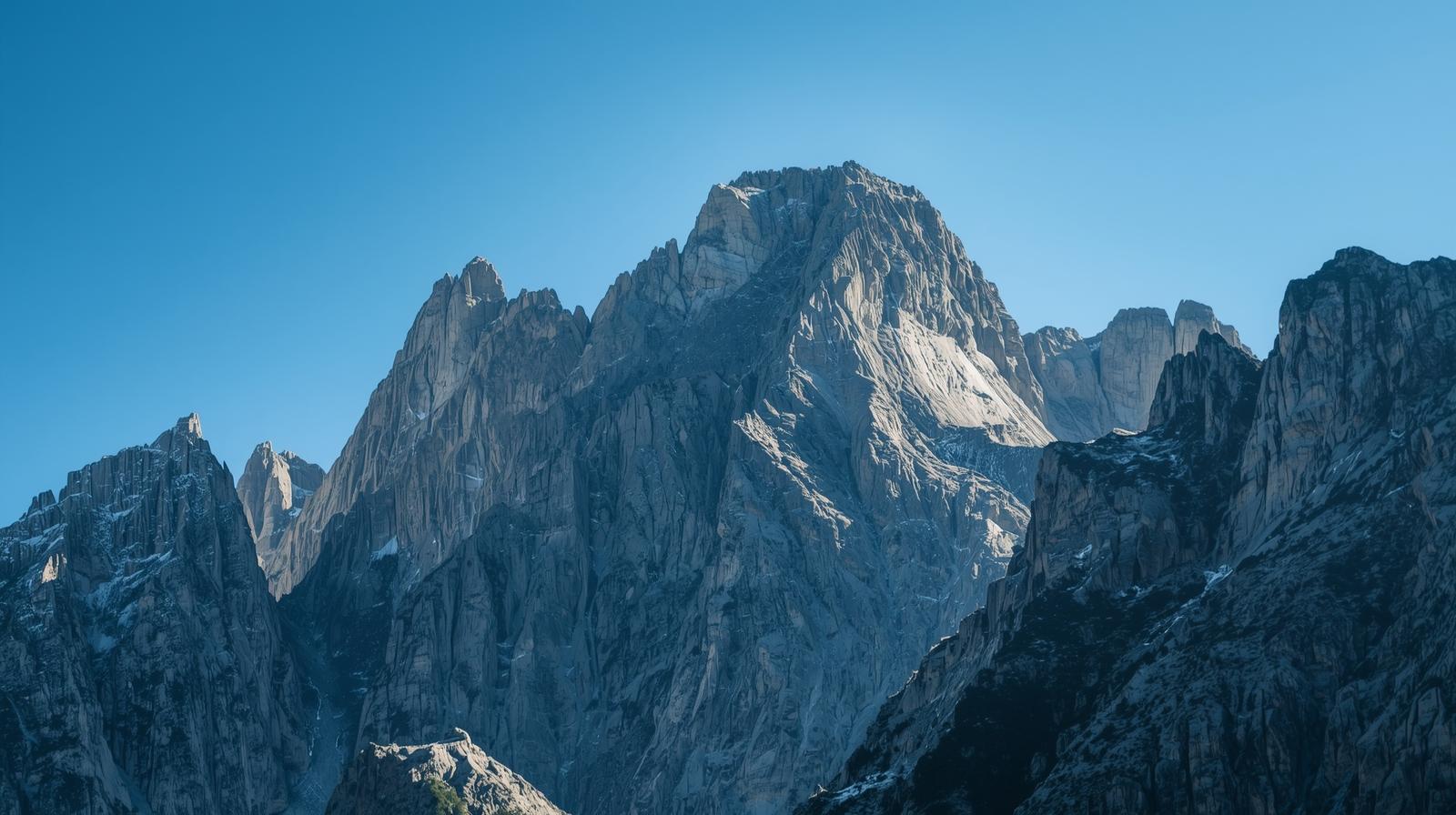
Magnificent mountain ranges bring unique landscapes to Earth. Towering peaks that reach into the clouds were once flat land. How do they rise from underground and soar into the sky?
Let us first understand orogeny. Beneath Earth’s surface are two layers: the lithosphere and the asthenosphere. Simply put, the lithosphere lies above the asthenosphere, and is more rigid and solid. The asthenosphere, being closer to Earth’s core, has higher temperatures, so its material is more viscous, partially molten, and able to flow. Within the lithosphere, many tectonic plates float on the asthenosphere and move slowly. Because the core constantly releases extreme heat, convection occurs: hotter magma at the bottom of the asthenosphere rises, while cooler magma at the top sinks. The flowing magma rubs against the plates above, driving their movement. As plates move, friction, collision, compression, and pulling occur. When two plates converge and continue pressing against each other, the denser plate is forced beneath the other, creating a convergent boundary. With continued compression, rock layers bear the pressure, bend, and uplift. Depending on the scale and strength of plate motion, mountain ranges of different sizes and forms are eventually created.
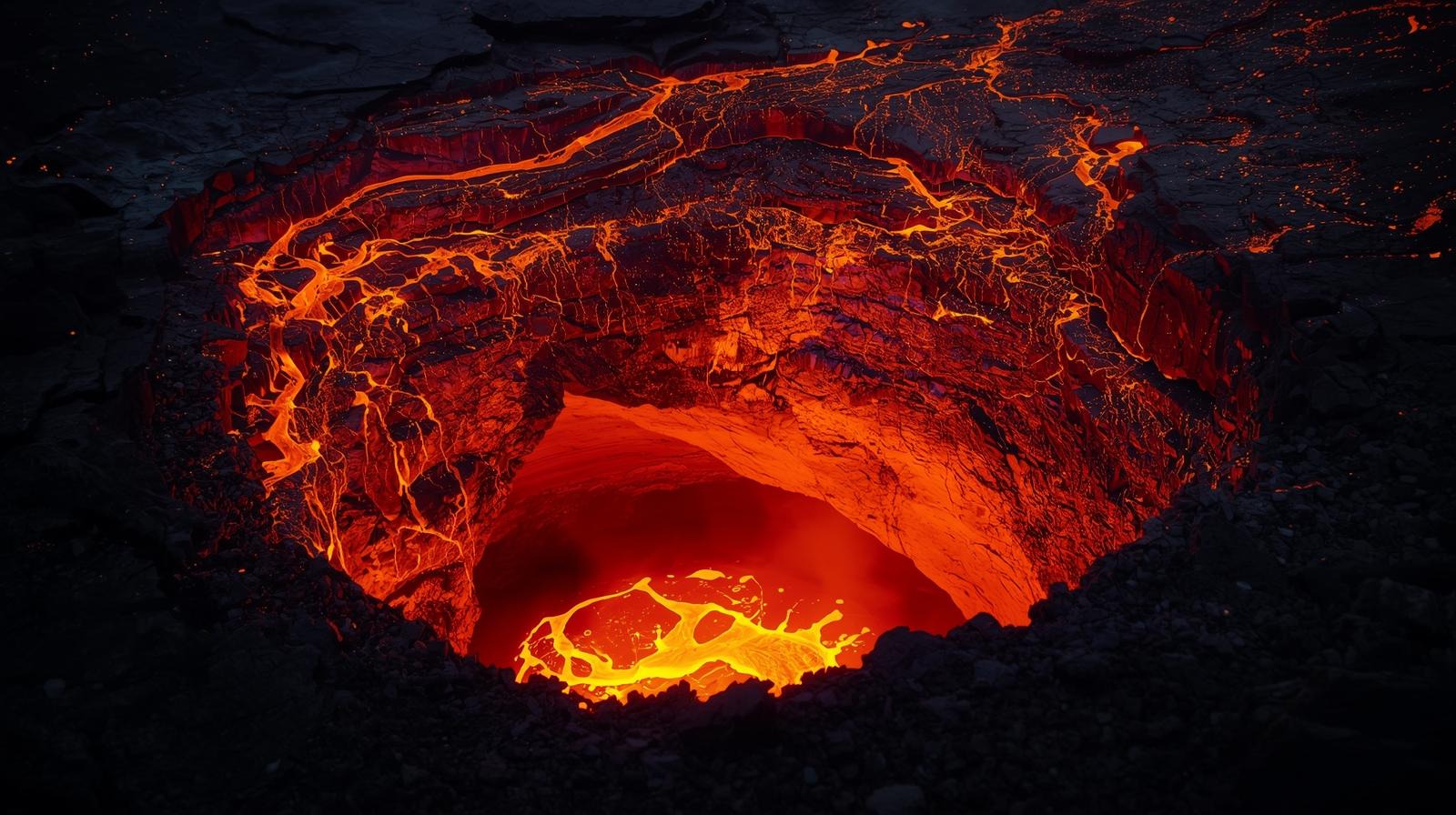
On the other hand, because Earth’s core generates heat, the deeper it goes, the higher the temperature. Plates forced downward continue to subduct until they melt back into magma. As more rock descends, magma in that region increases, and gas pressure builds higher and higher. Eventually, the pressure can no longer be contained, and magma erupts upward to the surface, forming volcanoes. During eruptions, countless streams of magma flow out of the crater and accumulate, forming cone‑shaped structures called stratovolcanoes. Japan’s famous Mount Fuji is one such stratovolcano. If a volcano ejects a large volume of magma, the chamber beneath may become empty, and the crater may collapse, forming a sunken basin. This is a common volcanic landform known as a caldera. If the crater is a circular depression and the volcano is extinct, water may collect inside, creating breathtaking crater lakes.
We leverage big data to bring you the most fascinating and mind-blowing trivia. Follow us for regular updates—prepare to be amazed while leveling up your knowledge.



Volcanoes are breathtakingly majestic, drawing countless visitors to admire their scenery. But what would happen if someone were to slip and fall into one? The terrain around a volcanic crater is
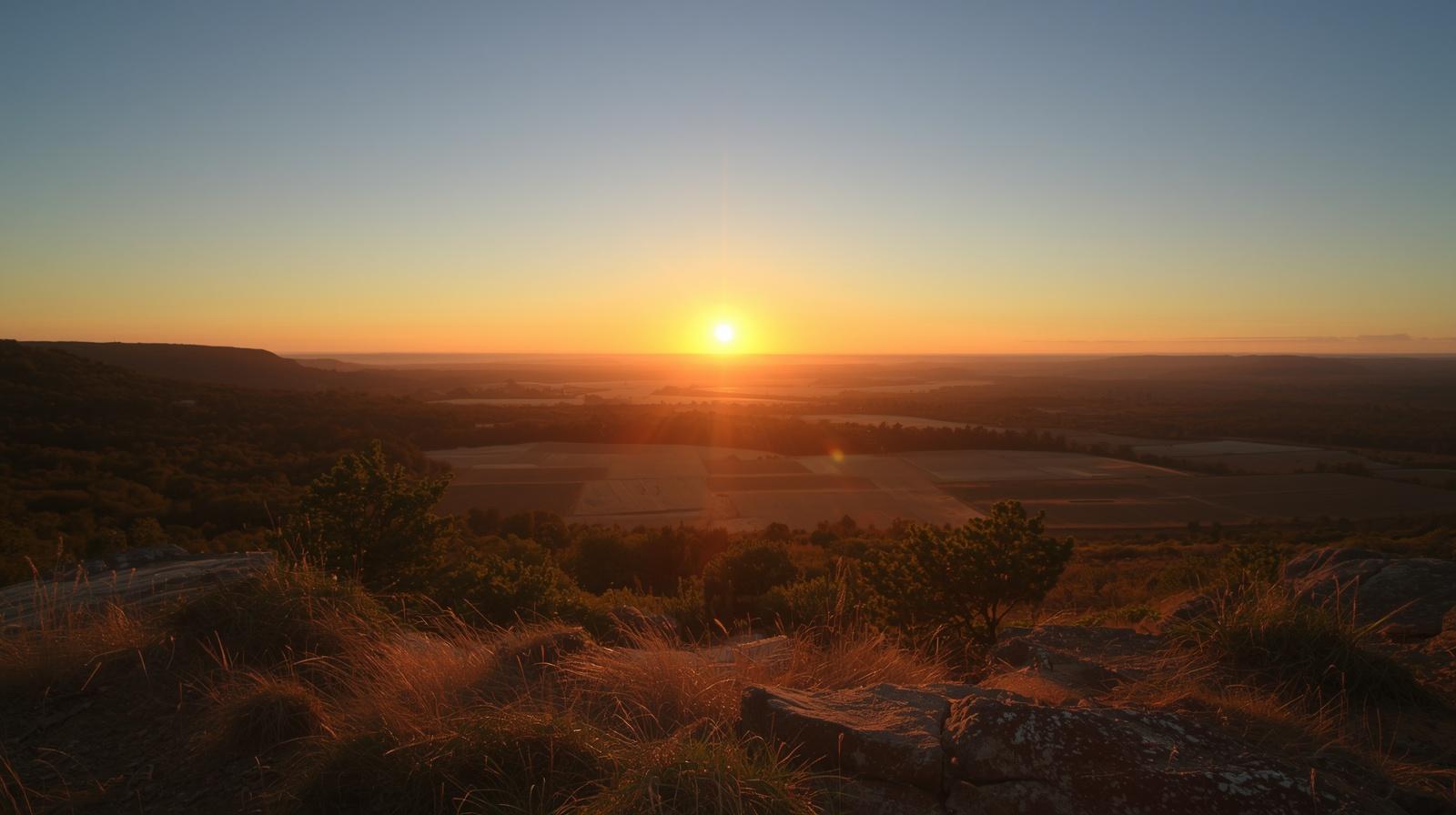
The Sun we see every day brings us warmth, light, and vitality. Yet while we take it for granted, have we ever wondered why the Sun can continuously provide energy without end? Where does its
Honey is a highly nutritious natural food, yet its formation process is often misunderstood. Some people describe honey as “bee vomit,” a phrase that arises from the fact that bees repeatedly

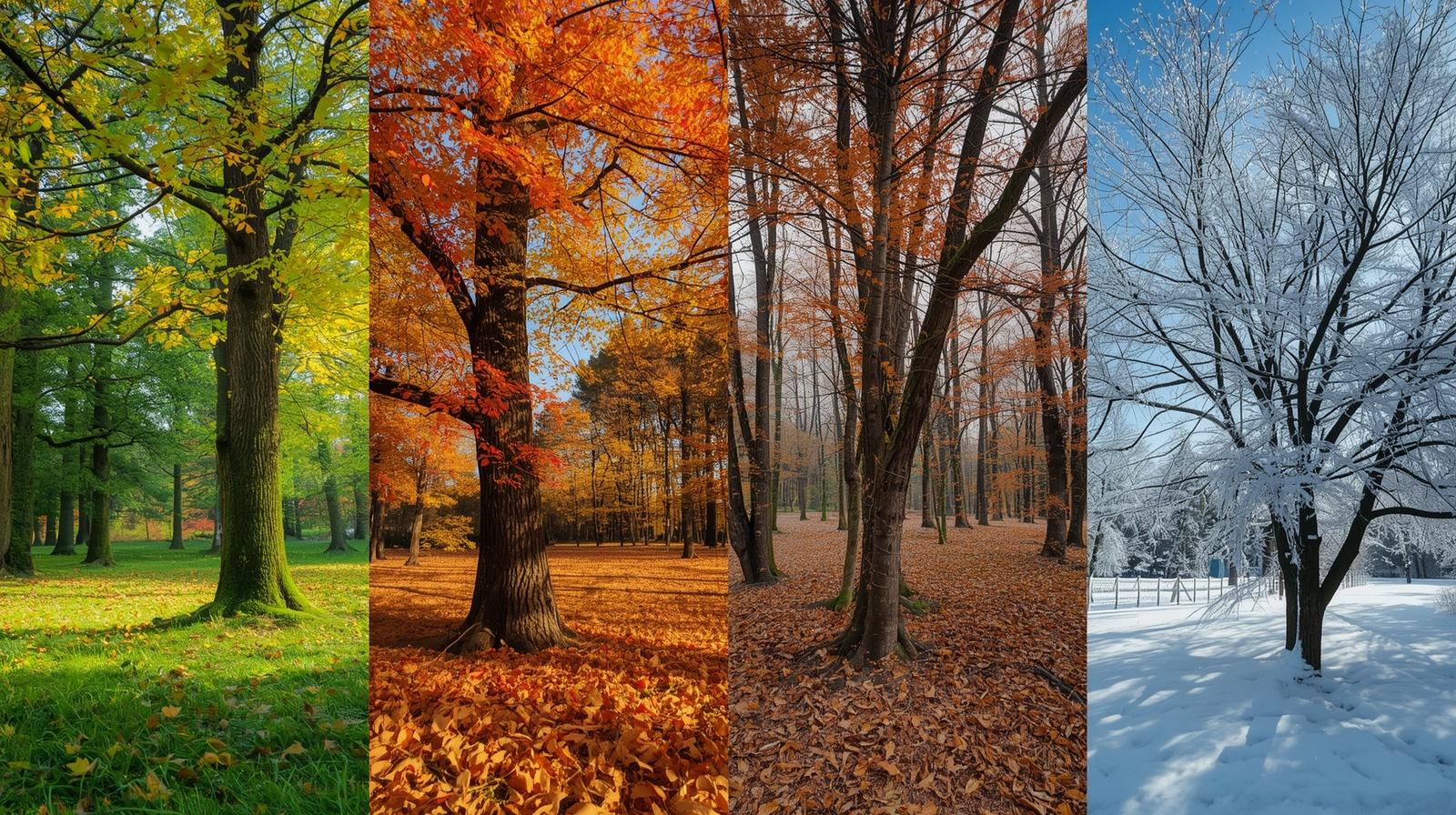
Summer is hot, winter is cold. The seasonal changes we observe from childhood to adulthood greatly shape our lives. What force lies behind this fascinating phenomenon? The answer is the Sun. In
We often forget different things, but many of them are ones we’d rather remember—especially when studying or learning, where newly acquired knowledge seems to slip away quickly. How does the human

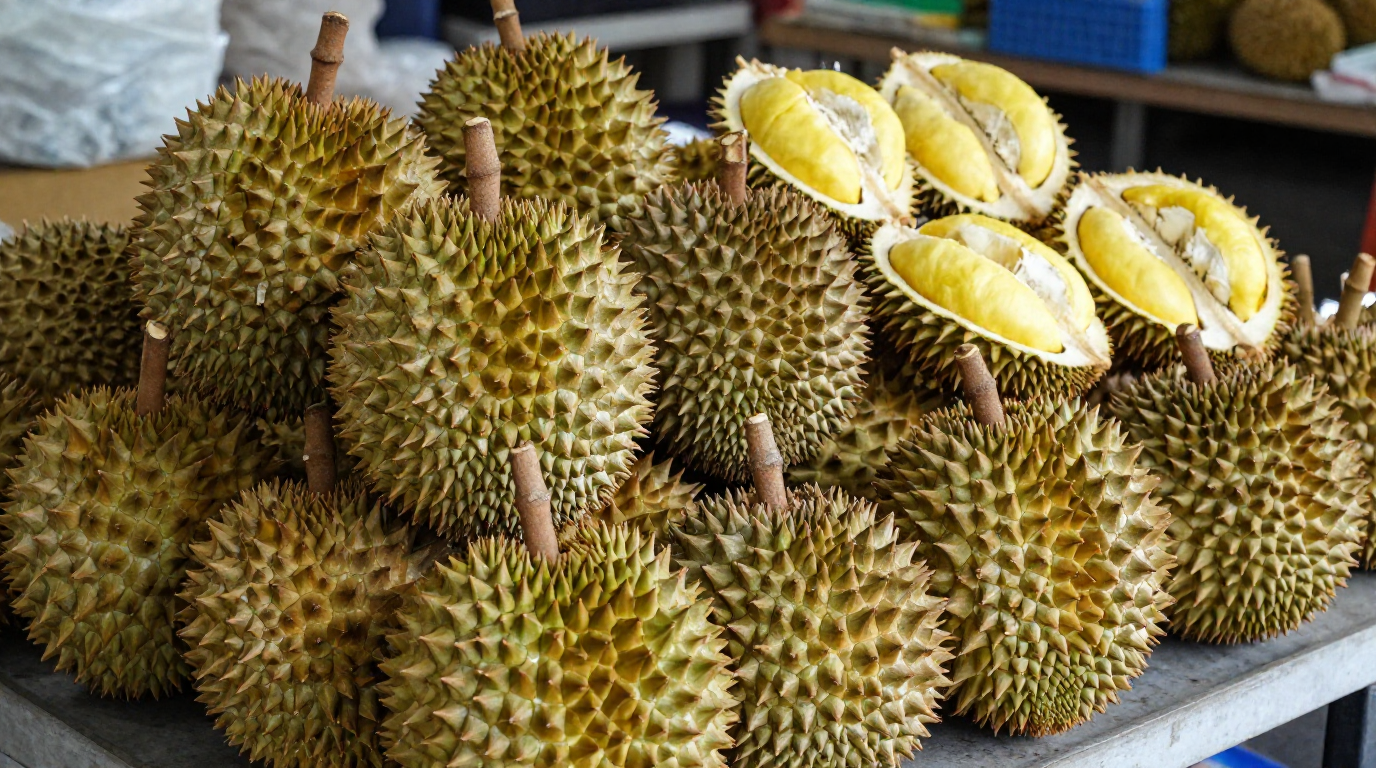
Durian, hailed as the “King of Fruits,” is renowned for its thick, spiky shell and its powerful aroma. Its appearance serves both as a natural defense and a sign of ripeness, while its distinctive
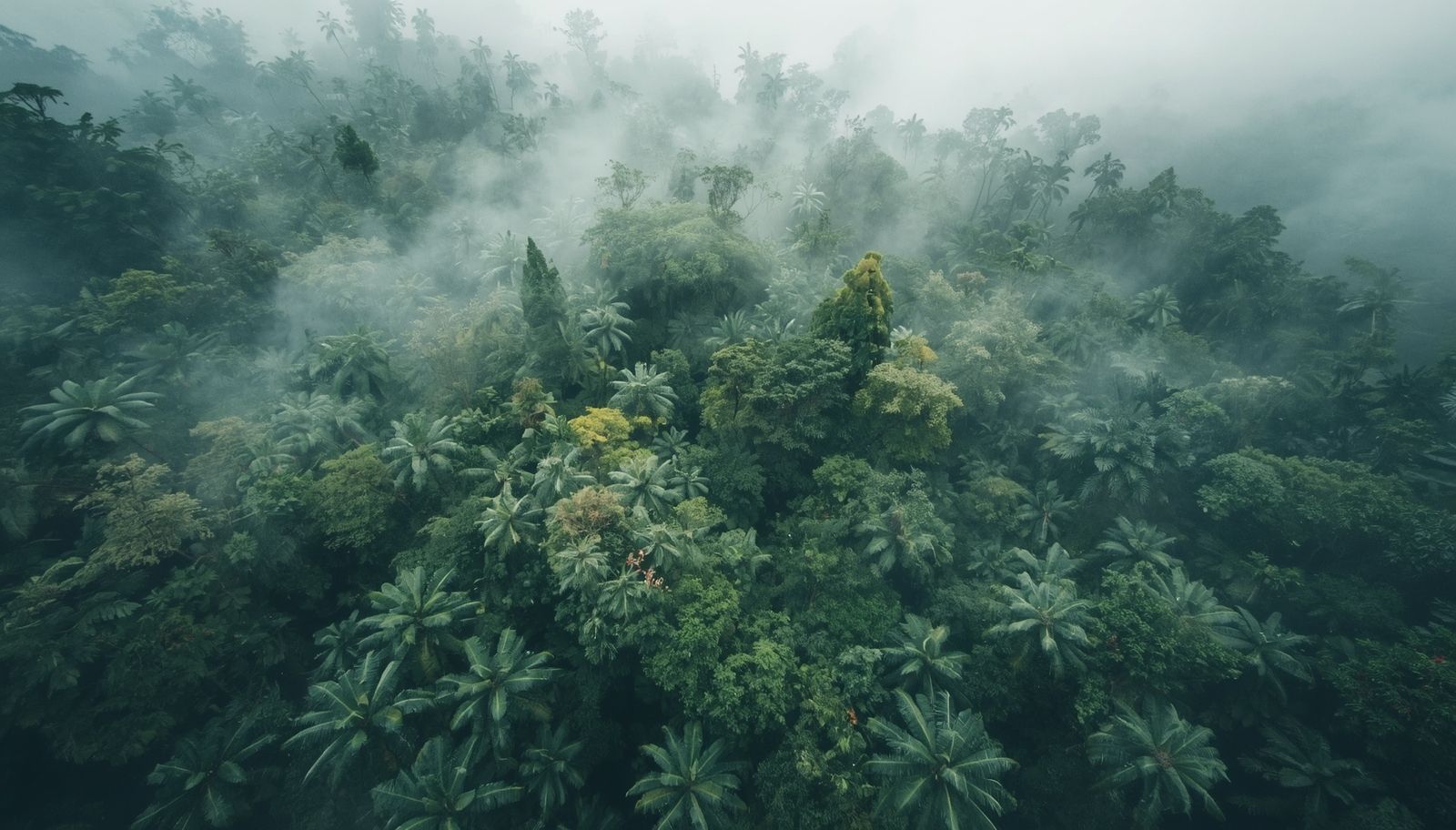
Stepping into the tropical rainforest, people are often astonished by the sheer size of its creatures: beetles as thick as a thumb, butterflies with wings as wide as a hand, and even frogs and ants
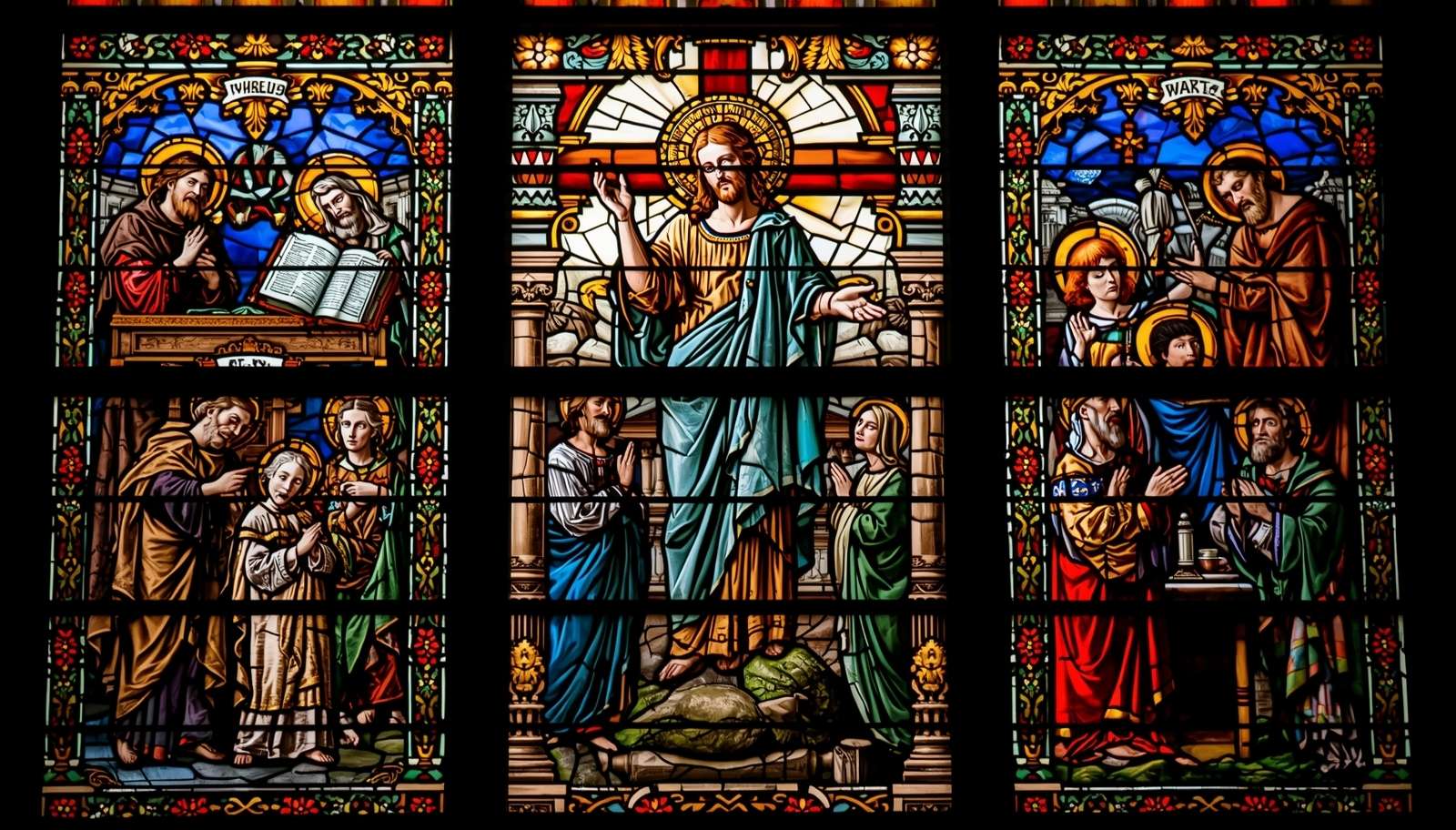
Christianity, Catholicism, Orthodoxy and Protestantism Christianity is a faith centered on Jesus Christ, emphasizing salvation and the relationship with God. It is also one of the religions with


Follow us for quirky updates, fun discoveries, and a front‑row seat to the weird and wonderful world we live in.