
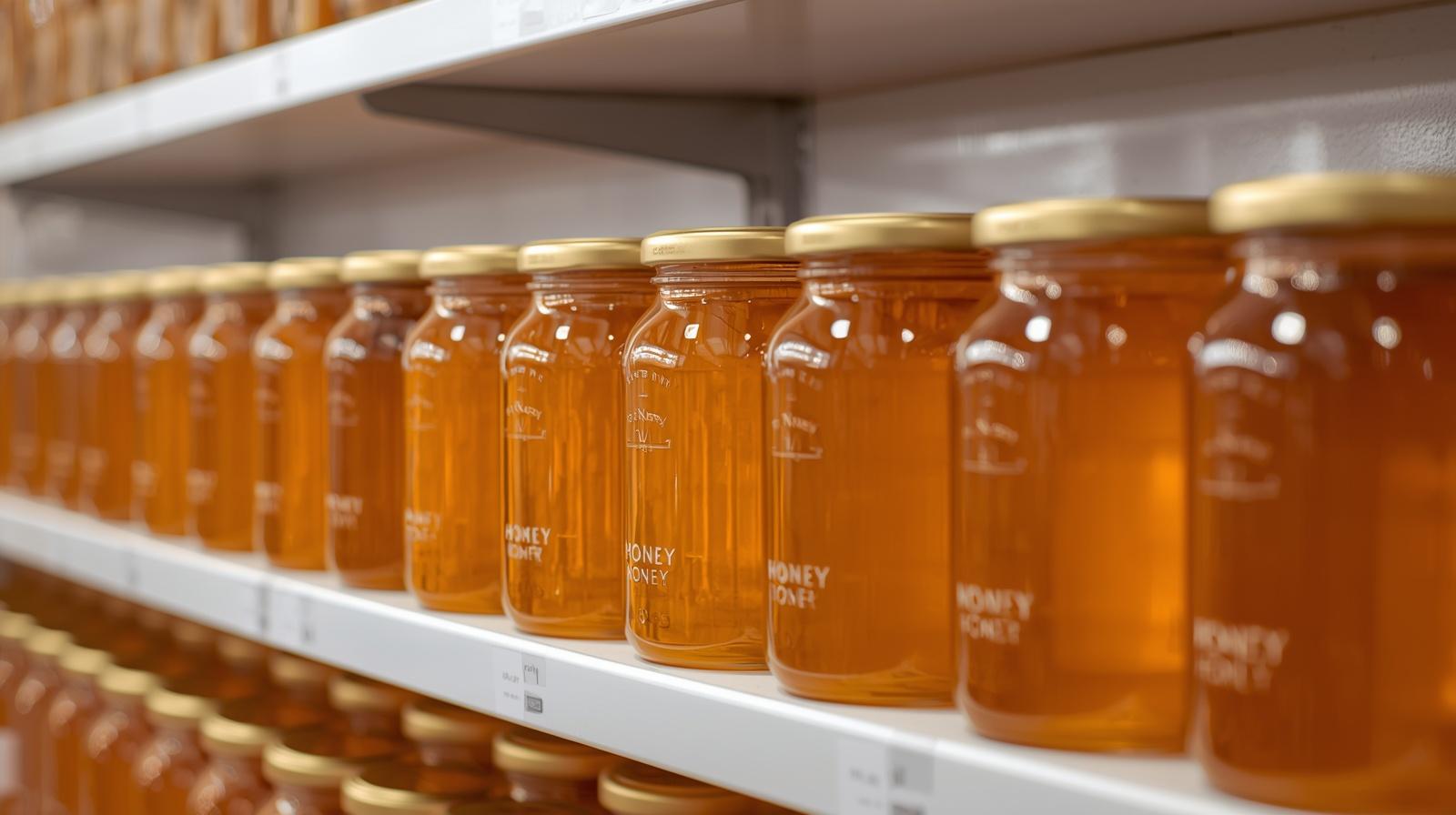
Honey is a highly nutritious natural food, yet its formation process is often misunderstood. Some people describe honey as “bee vomit,” a phrase that arises from the fact that bees repeatedly regurgitate and re‑ingest nectar during honey production. However, when the biological mechanism is examined closely, this comparison proves inaccurate.
When collecting nectar, a bee uses its tubular proboscis to reach deep into the flower and draw nectar into its abdominal “honey stomach.” This honey stomach is not a digestive organ but a specialized storage chamber, often referred to as the bee’s “second stomach.” Inside, enzymes act on the nectar, breaking down sucrose into fructose and glucose. This enzymatic reaction stabilizes the nectar, transforming it into simpler sugars that are easier to preserve.
Back in the hive, the bee expels the nectar into the honeycomb cell, then repeatedly re‑ingests and regurgitates it while fanning its wings to accelerate evaporation. The water content must be reduced to below about 18% to prevent spoilage or microbial growth. Finally, the bees seal the filled cell with wax, completing the honey‑making process. This sequence of behaviors is a normal physiological function of bees and is entirely different from human vomiting. Human vomit is the result of failed digestion, often containing bacteria or viruses, whereas honey is a nutrient‑rich substance processed in a specialized organ and designed for long‑term storage.
Honey’s remarkable shelf life comes from its high sugar concentration and low water content, which naturally inhibit bacterial growth. In addition, honey contains antioxidants and trace elements that contribute to its health benefits, including anti‑inflammatory effects, soothing the throat, aiding digestion, and supporting immunity. Consumed in moderation, honey is beneficial to human health. Many animals, such as honey badgers and bears, also seek out honey for its quick energy boost and irresistible sweetness.
Thus, honey is not “vomit” but a natural food created through the bees’ unique organs and intricate behaviors. The misconception arises from equating the bees’ regurgitation process with human vomiting, but the two are fundamentally different in mechanism and outcome. Honey is one of nature’s precious products—an energy source for bees and a delicious, nourishing treat for humans and other animals alike.
We leverage big data to bring you the most fascinating and mind-blowing trivia. Follow us for regular updates—prepare to be amazed while leveling up your knowledge.



The Sun we see every day brings us warmth, light, and vitality. Yet while we take it for granted, have we ever wondered why the Sun can continuously provide energy without end? Where does its

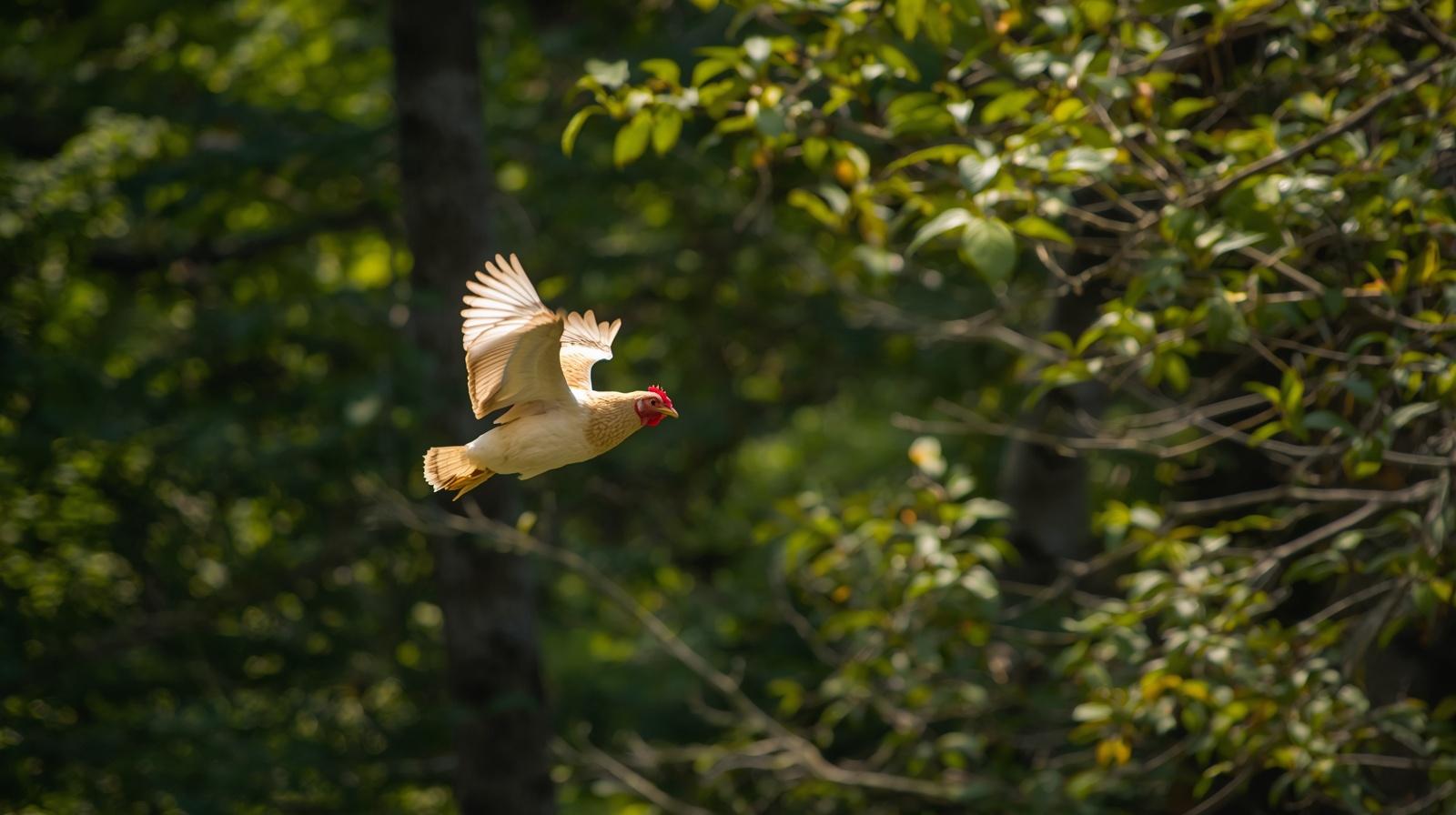
Chickens have wings, yet we almost never see them soaring through the sky. Do chickens actually fly? Many people say they cannot — but what is the real reason? The reason chickens cannot truly fly
Summer is hot, winter is cold. The seasonal changes we observe from childhood to adulthood greatly shape our lives. What force lies behind this fascinating phenomenon? The answer is the Sun. In

Teeth are among the hardest structures in the human body, yet even such resilient tissue can be corroded and damaged, leading to cavities. Why does this happen, and what occurs if cavities are left

A tornado is an extreme weather phenomenon, essentially a rapidly rotating column of air formed within powerful convective thunderstorms. When warm, moist air collides with cold, dry air, intense

The Maya civilization was once highly advanced, achieving remarkable accomplishments in science and technology that surpassed many contemporary cultures. Yet, why was it still invaded and ultimately

The droplets that fall from the sky are not always the same. At times they are raindrops, striking eaves and streets; at other times they are snowflakes, gently covering rooftops and fields. Both

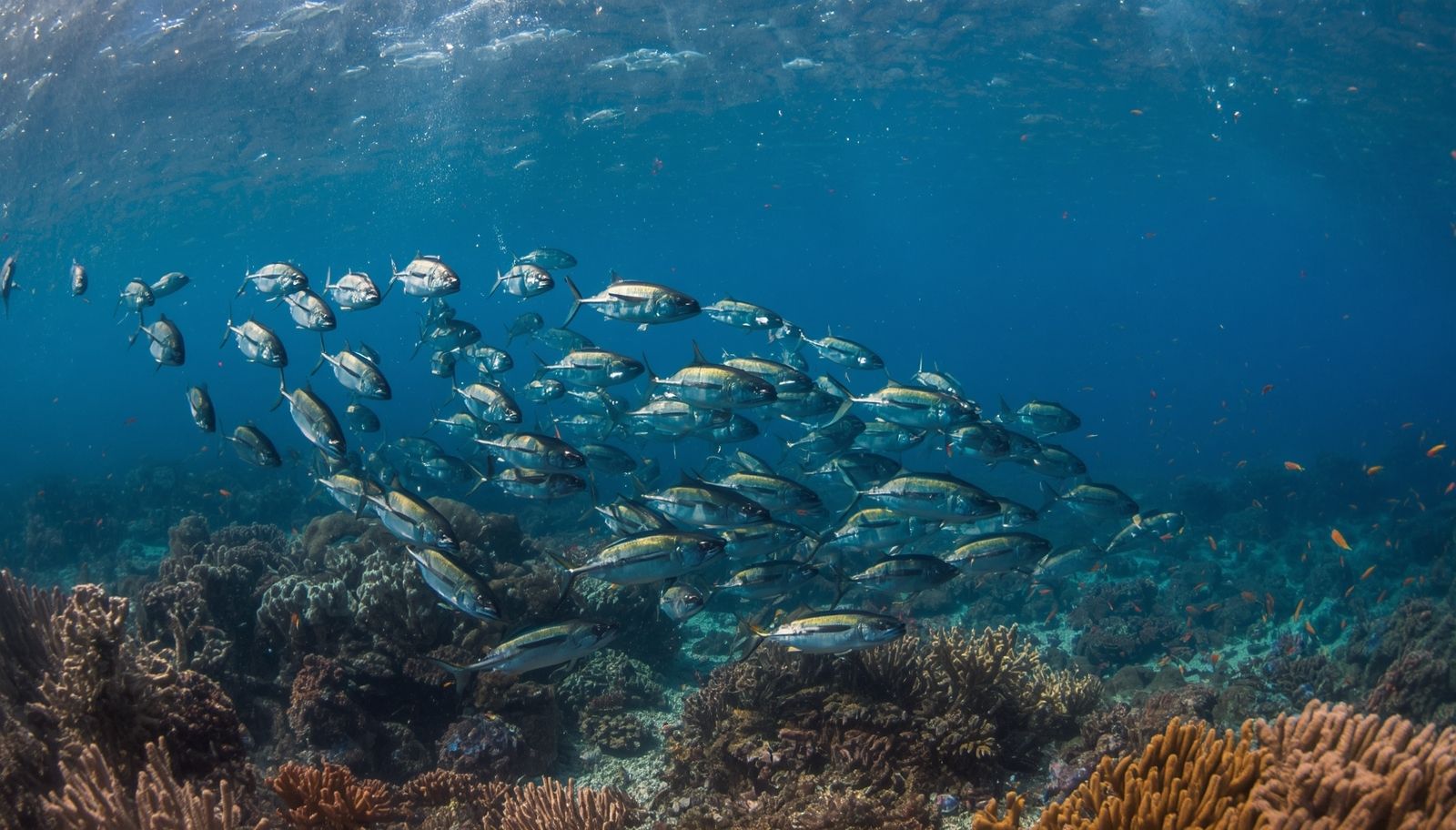
In the human world, rest and sleep are essential to life. Humans, mammals, and even most fish can conserve energy by remaining still. Yet in the vast ocean, there exists a group of creatures that can


Follow us for quirky updates, fun discoveries, and a front‑row seat to the weird and wonderful world we live in.