
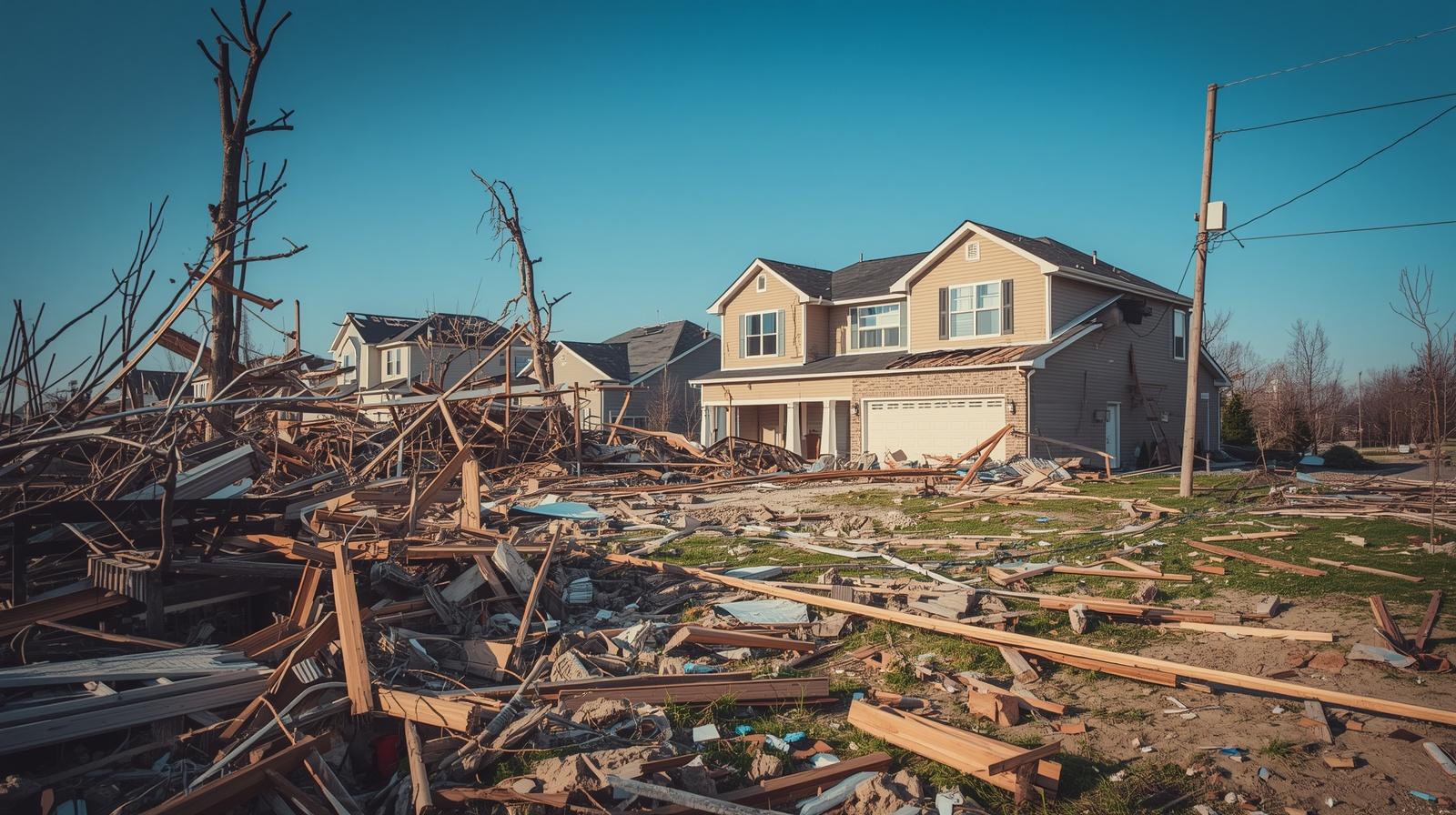
In certain regions earthquakes occur often, while in others they are rare. What determines this difference? We know earthquakes are disasters that can cause loss of life and economic damage, but are they necessarily always a bad thing?
The Earth’s structure is divided into the core, mantle, and crust. The core consists of the inner and outer core, with temperatures reaching about 5,000–6,000°C—comparable to the Sun’s surface, though far below its core. Heat from the Earth’s core radiates outward into the mantle and crust, gradually diminishing.
Based on temperature and material properties, the Earth’s interior can also be divided into the lithosphere and asthenosphere. The lithosphere includes the crust and part of the upper mantle; it is rigid and forms tectonic plates. Beneath it lies the asthenosphere, composed mainly of high‑temperature mantle rock. Although mostly solid, under intense heat and pressure it behaves like a viscous, plastic material, allowing the lithospheric plates to move across it.
Within the mantle, thermal convection occurs: heat from the core and radioactive decay warms the lower mantle, causing material to rise; near the upper mantle it cools and sinks, creating a circulation. This convection, together with gravitational forces such as subduction, drives tectonic plate movement and surface activity.
The Earth is made up of seven major plates and many smaller ones. These plates are not stationary but move slowly across the planet’s surface. As they move, they interact in different ways: some collide and compress (convergent boundaries), some separate to form new crust (divergent boundaries), and others slide past each other (transform boundaries).
At these boundaries, friction and pressure gradually deform the rocks, storing energy. According to the “elastic rebound theory,” when accumulated stress exceeds the strength of the rocks, faults rupture suddenly, releasing the stored energy as seismic waves. These waves—primary (P), secondary (S), and surface waves—propagate outward and reach the surface, causing shaking.
This process can be compared to bending a metal ruler: as you apply force, it deforms and stores energy; once it reaches its breaking point, it snaps and releases energy. Earthquakes occur in the same way, though on a far larger scale and with far greater energy release.
Earthquakes are most likely to occur near plate boundaries or fault zones, where collisions, compression, separation, or sliding accumulate stress. This explains why some regions experience frequent earthquakes—they lie within “seismic belts.”
The major seismic belts on Earth include:
However, earthquakes can occur outside seismic belts as well, though less frequently. Their impact also depends on the distance from the epicenter and the earthquake’s magnitude: even far from the epicenter, tremors may be felt, but seismic waves weaken with distance, so shaking is usually not destructive.
Beyond plate movement, other factors can also trigger earthquakes. Volcanic eruptions, with magma movement and pressure release, often cause local quakes that serve as precursors to volcanic activity. Human activities such as underground nuclear tests, large explosions, or deep mining can also induce seismic events. Meteorite impacts, though rare, can release immense energy, producing earthquakes and surface damage.
Still, the vast majority of earthquakes are caused by plate tectonics—the primary driver of seismic activity on Earth.
Interestingly, earthquakes are not unique to Earth. The Moon experiences “moonquakes,” caused by tidal forces from Earth’s gravity, temperature changes, and meteorite impacts. Mars also has “marsquakes,” generated by stress release within its crust. NASA’s InSight mission has recorded multiple marsquakes, confirming seismic activity on Mars.
Earthquakes are not simply disasters; they are part of the planet’s natural cycle of renewal. The Earth’s core continuously provides energy, driving plate movement. Through compression, collision, and tension, plates create majestic mountains, diverse rivers and lakes, and remarkable natural landscapes.
Volcanic activity is also integral to this cycle. Lava eruptions form new land and islands, providing habitats for life. Volcanic ash enriches soil, supporting agriculture, while volcanic emissions of carbon dioxide help regulate Earth’s temperature, preventing extreme cold and sustaining life.
Plate tectonics also deliver abundant mineral and rock resources for human use. They recycle carbon into the Earth’s interior, maintaining the carbon cycle, and subduct old plates back into the mantle, renewing the surface.
Thus, earthquakes are simply one manifestation of the Earth’s life‑sustaining processes. Countless small earthquakes occur daily, most too weak to cause damage or even be felt, yet they help maintain the planet’s dynamic balance. Larger earthquakes, though destructive, remind humanity of its fragility, teaching humility and the importance of respecting and cherishing all life.
We leverage big data to bring you the most fascinating and mind-blowing trivia. Follow us for regular updates—prepare to be amazed while leveling up your knowledge.



Many people have experienced hiccups — those sudden spasms that make us feel uncomfortable. If they occur at the wrong time, hiccups can be quite embarrassing. So why exactly do we hiccup? Does

The discovery and application of electricity shocked the world and accelerated the development of human civilization. What exactly is electricity, where does it come from, and how does power
The motor is one of the most important tools of human civilization, contributing greatly to the functioning of society. Electric fans, subways, electric cars, elevators—the examples are countless.

Radar has an exceptionally wide range of applications, capable of accurately determining an object’s position, distance, and speed. Its effectiveness becomes especially evident in conditions of low
Atoms are the fundamental units that make up all matter in the world. They are so small that they cannot be seen with the naked eye, yet they are the building blocks of everything. At the center of

Cancer is often called humanity’s leading killer, a disease that strikes fear because of its profound impact on life. A diagnosis can turn a person’s world upside down, and in severe cases, it can be

Whether at a dinner gathering with friends or chatting freely at a bar, alcohol often seems inseparable from social life. Yet we often notice a phenomenon: after a couple of drinks, some people’s

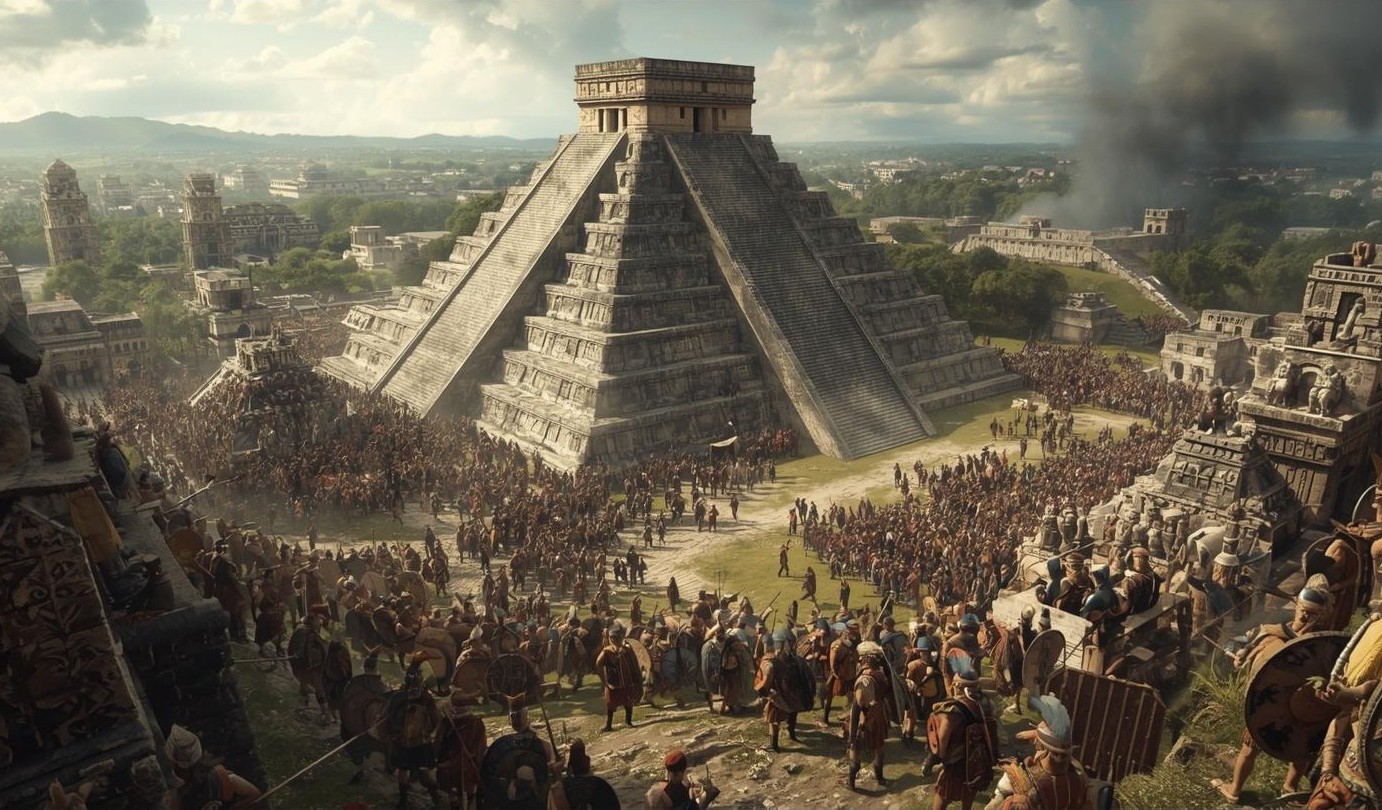
The Maya civilization was once highly advanced, achieving remarkable accomplishments in science and technology that surpassed many contemporary cultures. Yet, why was it still invaded and ultimately


Follow us for quirky updates, fun discoveries, and a front‑row seat to the weird and wonderful world we live in.