
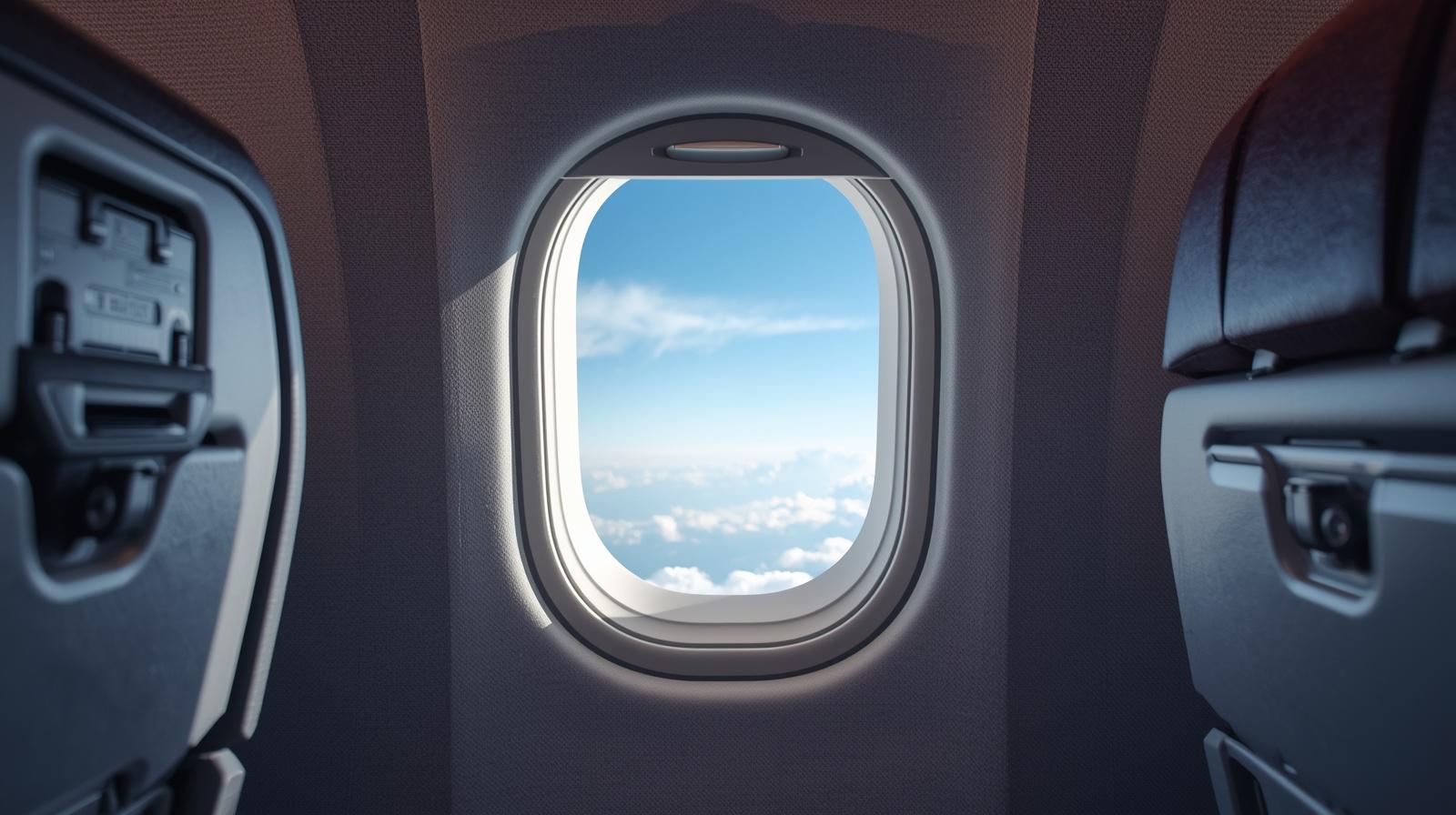
When an airplane is about to take off, flight attendants always remind us of different things or ask us to do certain actions. What is the reason behind these instructions? When the plane is preparing for takeoff and landing, the crew will always ask us to open the window shades. Is it because they want us to enjoy the magnificent view?
In fact, the most dangerous or accident-prone moments of a flight are during the few minutes of takeoff and landing. Opening the shades at these times allows passengers and crew to readjust their eyes to the strong outdoor light. Just like when we stay indoors for a long time and then step outside, the sudden sunlight can make us squint and it takes several seconds to adapt. But in the event of an accident, those seconds are critical escape time. That is why flight attendants ask us to open the shades in advance during takeoff and landing. If an accident occurs, everyone can evacuate without their vision being impaired, and no golden opportunity will be missed because of delayed adaptation. For this reason, many planes also deliberately dim the cabin lights at these times, so passengers and crew can adjust more quickly and see outside more clearly.
In addition, opening the shades allows passengers and crew to see and understand the situation outside. If an accident happens, they can know what has occurred and which direction to escape. During takeoff and landing, flight attendants also ask us to stow the tray tables. This is because if an accident occurs, passengers can leave their seats immediately and head toward the escape route. Otherwise, in a panic, they might struggle to close the tray table, blocking their exit, or the table left open might obstruct and injure other passengers trying to pass.
By the way, why is there a small hole at the bottom of airplane windows? In fact, airplane windows are made of three layers: inner, middle, and outer. The inner and outer layers bear the internal and external pressure, while the middle layer serves as a protective buffer. The small hole at the bottom allows tiny, controlled airflow to pass through, balancing the pressure between the cabin and outside, preventing the window from cracking under excessive stress. The hole also balances temperature differences, preventing water droplets or fog from forming on the glass and blocking visibility.
We leverage big data to bring you the most fascinating and mind-blowing trivia. Follow us for regular updates—prepare to be amazed while leveling up your knowledge.



Volcanoes are breathtakingly majestic, drawing countless visitors to admire their scenery. But what would happen if someone were to slip and fall into one? The terrain around a volcanic crater is

The Sun we see every day brings us warmth, light, and vitality. Yet while we take it for granted, have we ever wondered why the Sun can continuously provide energy without end? Where does its

Honeybees are common insects. We all know they collect nectar and bring it back to their hives, but the social hierarchy within a bee colony is fascinating and worth closer study. A typical colony

Bacteria and viruses are often mentioned together, both seen as frightening entities, but what exactly distinguishes them? Why do some people say bacteria can be treated, while viruses must be

We often forget different things, but many of them are ones we’d rather remember—especially when studying or learning, where newly acquired knowledge seems to slip away quickly. How does the human

In daily facial care, many skincare brands and beauticians often emphasize the need for regular exfoliation. But what exactly are we removing when we exfoliate? Is it truly necessary? And what

Whether at a dinner gathering with friends or chatting freely at a bar, alcohol often seems inseparable from social life. Yet we often notice a phenomenon: after a couple of drinks, some people’s

The Maya civilization was once highly advanced, achieving remarkable accomplishments in science and technology that surpassed many contemporary cultures. Yet, why was it still invaded and ultimately



Follow us for quirky updates, fun discoveries, and a front‑row seat to the weird and wonderful world we live in.