

Myopia is one of the most common vision problems worldwide, and many people rely on eyeglasses or contact lenses to improve their sight. In more socially and economically developed regions, the prevalence of myopia is even higher, due to factors such as intensive education, frequent use of electronic devices, and insufficient outdoor activity.
Under normal circumstances, light entering the eye first passes through the cornea, which provides the initial and most significant focusing power. It then travels through the pupil, which regulates the amount of light entering the eye—constricting when light is too strong and dilating when it is dim. The iris controls the size of the pupil and surrounds it with color; most East Asians have brown irises, while Western populations show greater variation. Light then passes through the lens, which further refracts the rays and adjusts focus by changing its thickness, allowing the eye to see objects both near and far. Finally, light travels through the vitreous body and focuses on the retina. The retina converts light signals into electrical impulses, which are transmitted via the optic nerve to the brain, enabling vision.
When light is correctly focused on the retina, vision is clear. In myopia, however, the focal point falls in front of the retina, preventing proper focus and causing distant objects to appear blurry (in severe cases, even near objects may blur). The farther the focal point lies from the retina, the greater the degree of blurriness, which corresponds to higher myopia. Conversely, hyperopia occurs when the focal point lies behind the retina, leading to blurred near vision, though hyperopia is far less common than myopia.
There are two main reasons why the focal point falls in front of the retina:
Eyeglasses effectively correct myopia. Concave lenses diverge incoming light, altering its path so that, when properly adjusted, the focal point returns to the retina and vision becomes clear again. In prescribing glasses, the vertex distance—the space between the lens and the cornea—must be considered. The curvature and refractive index of the lens material are the main determinants of lens power, while lens thickness reflects the strength of the prescription in appearance rather than directly affecting refractive index. Contact lenses work on the same principle but sit directly on the corneal surface, providing more precise correction and a more natural field of vision without the frame limitations of glasses.
Laser surgery can provide long-term correction of myopia. Its principle is to reshape the cornea by removing tissue with a laser, thereby altering the corneal curvature and adjusting the refraction of light so that the focal point once again falls on the retina, restoring clear vision. Newer techniques involve smaller incisions, fewer side effects, and faster recovery. It is important to note that if the axial length of the eye continues to elongate after surgery, myopia may recur. For this reason, the procedure is considered a “semi-permanent” solution. In general, the axial length stabilizes after the age of 20, but in patients with high or pathological myopia, elongation may still continue.
We leverage big data to bring you the most fascinating and mind-blowing trivia. Follow us for regular updates—prepare to be amazed while leveling up your knowledge.



Bacteria and viruses are often mentioned together, both seen as frightening entities, but what exactly distinguishes them? Why do some people say bacteria can be treated, while viruses must be

In discussions about food, we often hear the terms sugar, saccharides, starch, and carbohydrates. Are they the same thing? Saccharides and carbohydrates refer to the same category of substances.

Whether at a dinner gathering with friends or chatting freely at a bar, alcohol often seems inseparable from social life. Yet we often notice a phenomenon: after a couple of drinks, some people’s

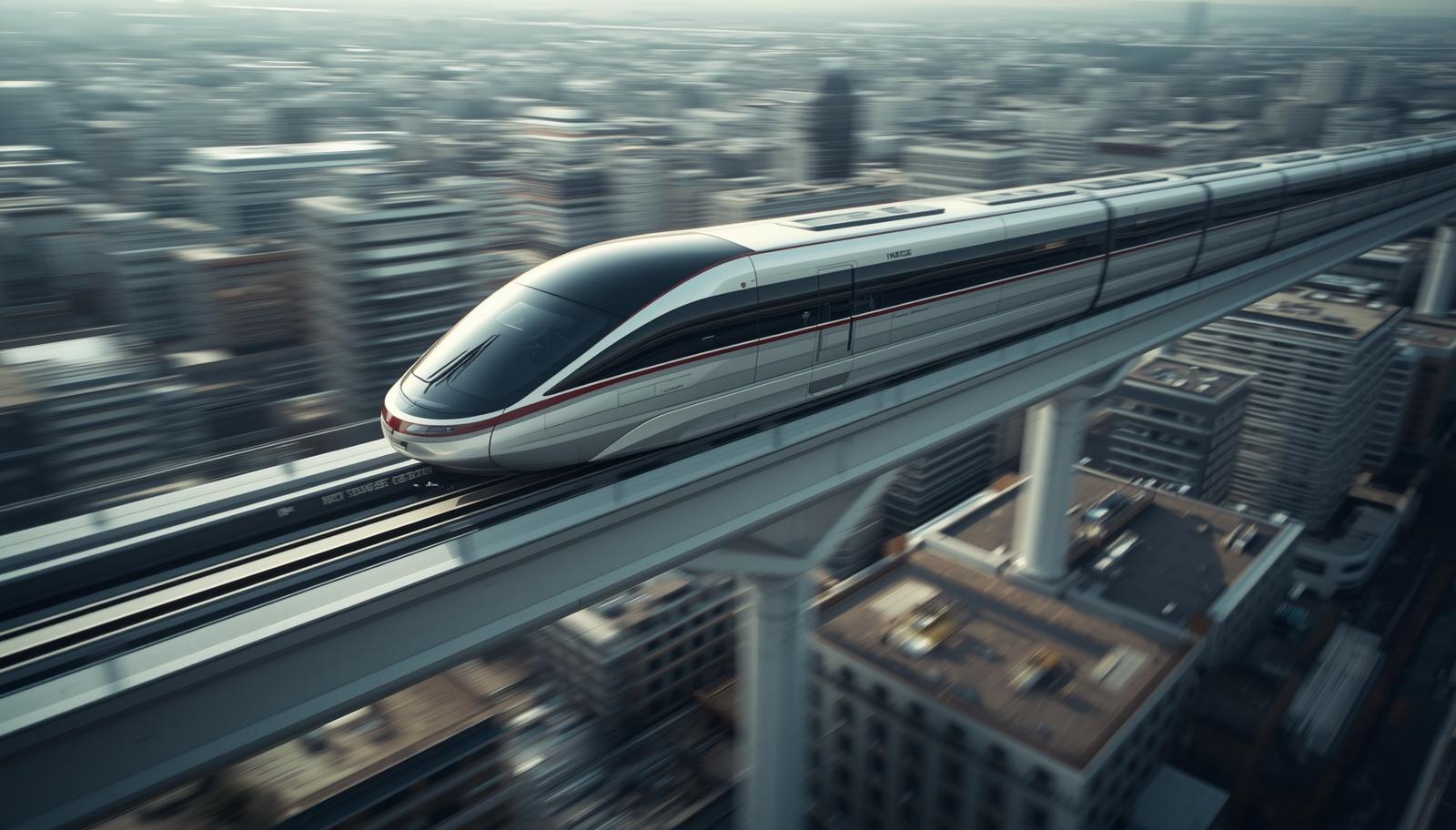
Magnetic Levitation (Maglev) trains are famous for their high speed, but how can such heavy trains float? And why do they need to float at all? A maglev train is a high-speed transport system that
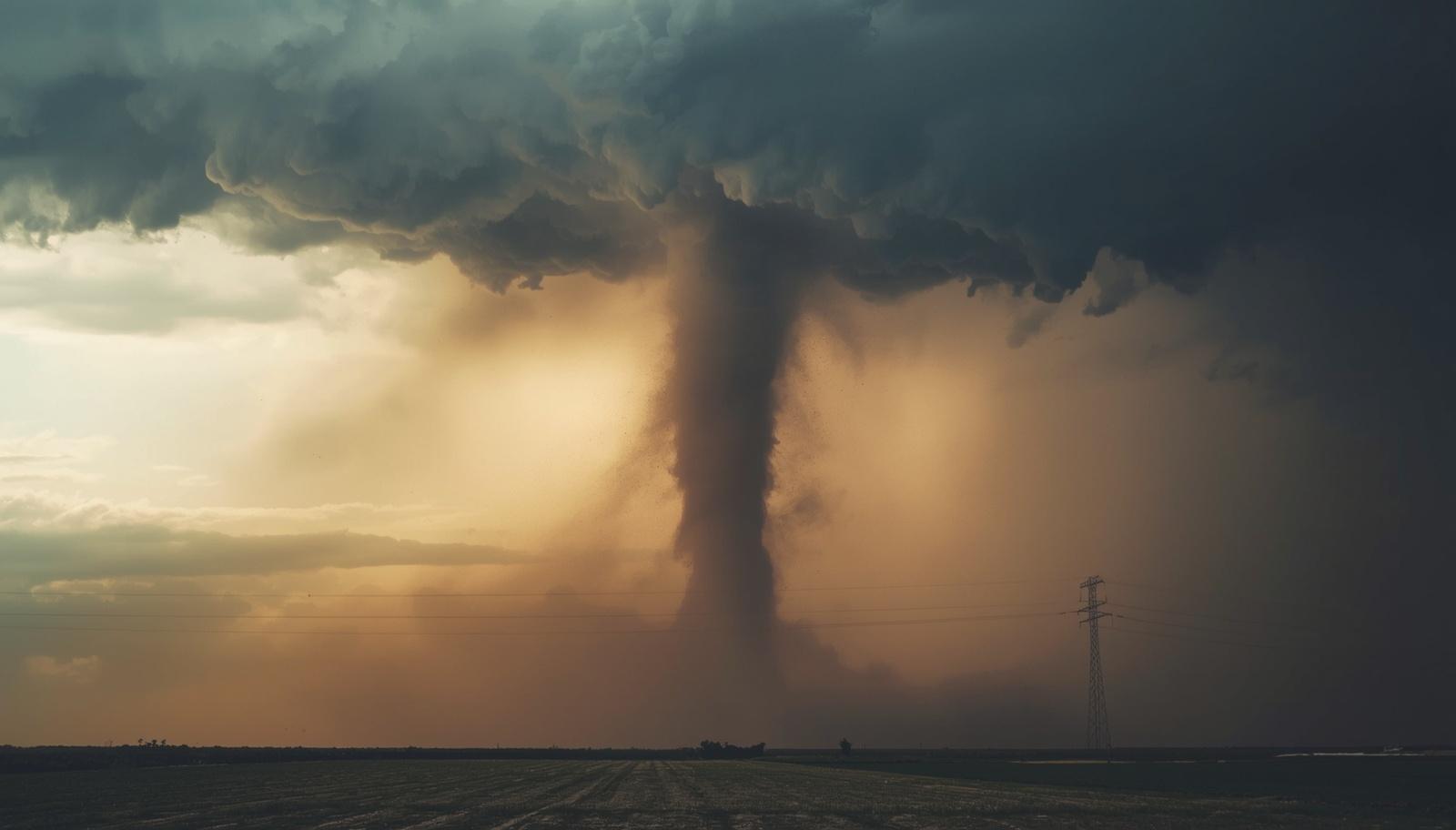
A tornado is an extreme weather phenomenon, essentially a rapidly rotating column of air formed within powerful convective thunderstorms. When warm, moist air collides with cold, dry air, intense
Cars are the daily means of transport for many people, and during a journey it is inevitable to encounter sudden situations that require braking. But what actually happens when a car brakes abruptly

The polar realms, shrouded in relentless cold and endless mystery, remain territories that most people will never set foot upon in their lifetime. The Antarctic and the Arctic lie at opposite ends of

In everyday life, showering is a time for relaxation, cleansing, and even reflection. Yet there is one seemingly trivial question that often sparks debate: should you urinate while showering? Some


Follow us for quirky updates, fun discoveries, and a front‑row seat to the weird and wonderful world we live in.