
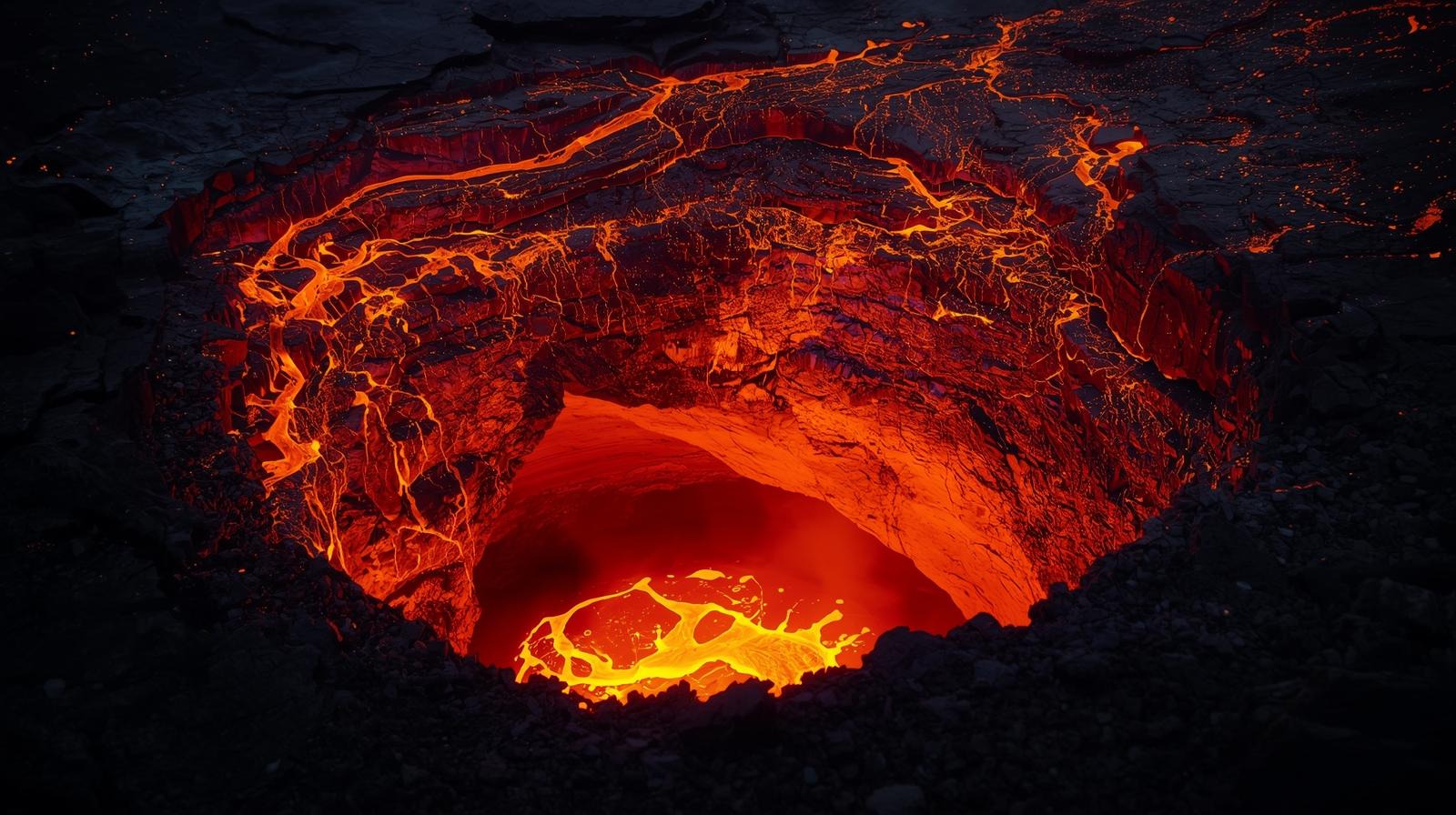
Volcanoes are breathtakingly majestic, drawing countless visitors to admire their scenery. But what would happen if someone were to slip and fall into one?
The terrain around a volcanic crater is often extremely treacherous. The edges are steep and unstable, with cliffs that are vertical or nearly vertical, offering no secure footholds. Such height and slope mean that a single misstep can be fatal: even without touching lava, the sheer force of the fall would be deadly. During the descent, the body could strike the crater walls multiple times, compounding injuries. The height and structure of the crater alone pose a lethal threat, making it extremely dangerous to approach the edge.
The toxic gases released around volcanic craters are themselves deadly, even without contact with lava. These gases often include sulfur dioxide, carbon monoxide, and hydrogen chloride. At high concentrations, they quickly invade the respiratory system. Sulfur dioxide irritates the airways, causing violent coughing and breathing difficulties; carbon monoxide binds to hemoglobin in the blood, blocking oxygen transport and leading to hypoxia and unconsciousness; hydrogen chloride burns lung tissue and mucous membranes. In such an environment, a person can lose consciousness within minutes and ultimately die from suffocation or organ failure. In other words, simply inhaling volcanic gases near a crater can be fatal.
The extreme heat of a volcano is another lethal factor. Molten lava can reach temperatures of 700–1200°C. Approaching a crater or lava field, the surrounding air may quickly rise to several hundred degrees. Skin would be instantly scorched, sweat would evaporate completely, and the body would lose its ability to cool itself. Intense heat waves can burn the respiratory tract, with inhaled air directly destroying lung tissue, causing breathing difficulties or suffocation. Meanwhile, body fluids would evaporate rapidly, leading to severe dehydration and organ failure. Thus, even without direct contact with lava, mere exposure to volcanic heat can disable the body in moments and result in death.
Volcanoes are not constant in their activity. If a volcano is in a low-activity phase, the heat from the lava pool may not radiate strongly; if wind disperses the toxic gases, the air may temporarily be less hazardous; and if the terrain provides a relatively stable path, a person might manage to reach the crater’s edge. But if they were to fall in, what would happen?
Ignoring air temperature and toxic gases, falling into an active crater is still extremely dangerous. The crater rim is usually high, so the fall itself produces violent acceleration forces. During the descent, the body may strike the walls, causing fractures or internal injuries. Upon contact with lava, its density and viscosity—much greater than water—mean the impact alone could shatter bones and organs. Immediately afterward, the lava’s intense heat would act on the body: clothing would ignite, skin and muscle would carbonize, and bodily fluids would vaporize, releasing smoke and a burning stench. If breathing continued, the inhaled air would scorch the lungs, shutting down respiration instantly. Consciousness would vanish within moments, as the nervous system cannot withstand such trauma. The entire process occurs almost without delay: from impact to death in an instant. In short, falling into lava is fatal not from a single cause, but from the combined effects of impact, burning, and vaporization, leaving no chance of survival.
There are no reliable records of anyone falling directly onto the surface of lava in an active volcano. This is because crater terrain is complex: steep, uneven edges mean that victims usually strike walls or slopes first, with death caused by the fall rather than lava contact. Lava pools also lie deep within craters, making direct impact unlikely. Even if contact did occur, lava’s density and viscosity make its surface resistant, so the collision itself would be fatal, followed immediately by lethal burning.
In 2024, a fatal accident occurred at Indonesia’s Ijen volcano: a Chinese tourist slipped while taking sunrise photos and fell into the crater, plunging about 76 meters to her death. The cause of death was not lava burns, but the impact of the fall itself. Ijen volcano is famous for its blue flames and sulfur lake, attracting large numbers of visitors, yet the crater rim lacks safety barriers and the terrain is treacherous. A single misstep can easily lead to tragedy. This incident underscores the high risks of volcano tourism: even when a volcano is not erupting, the combination of hazardous terrain and human error alone can be deadly.
We leverage big data to bring you the most fascinating and mind-blowing trivia. Follow us for regular updates—prepare to be amazed while leveling up your knowledge.



Whether bizarre and fantastical events or ordinary, trivial matters, they all appear in our dreams. Some dreams are so vivid that we remember them clearly after waking, while others vanish instantly
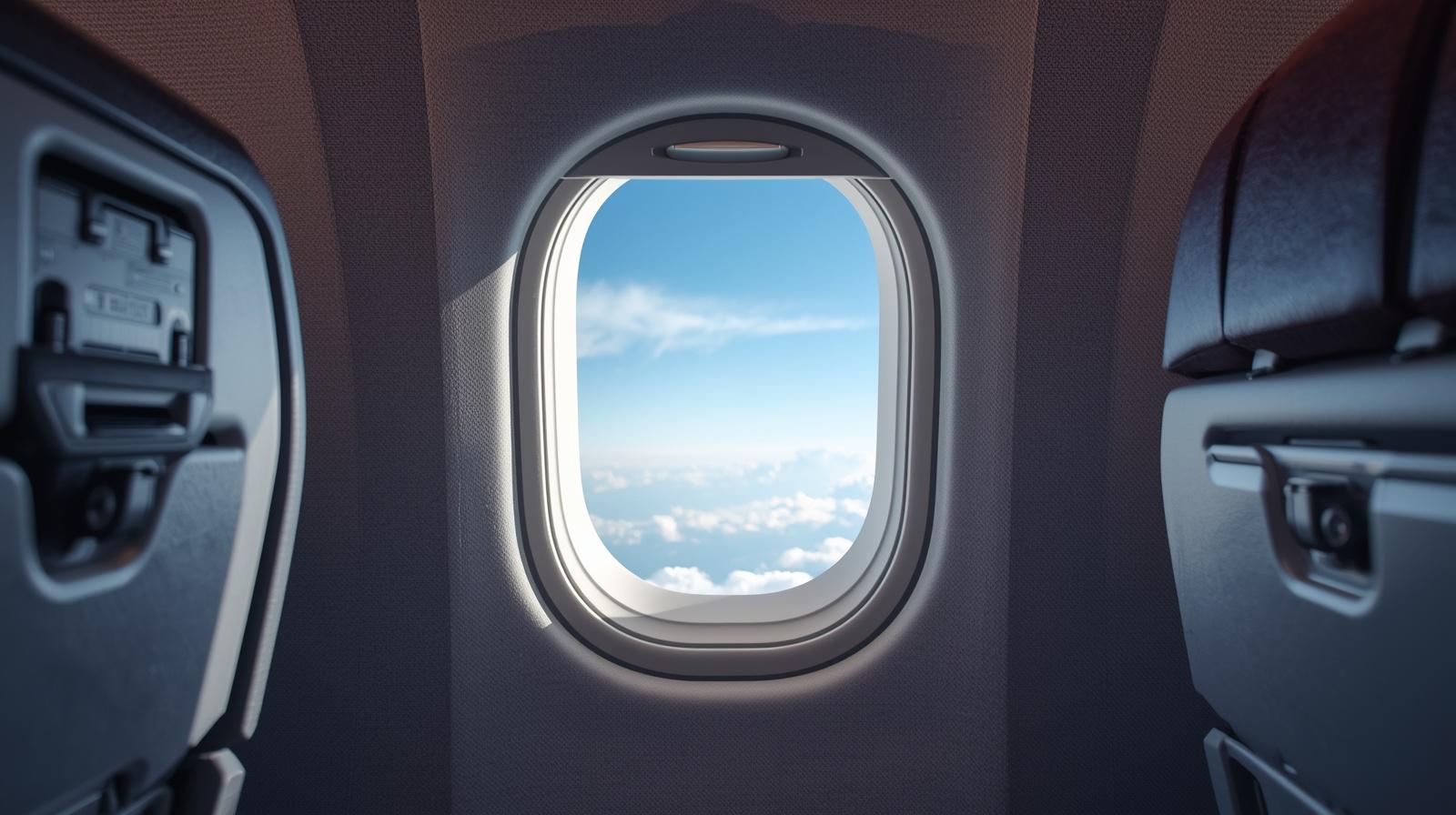
When an airplane is about to take off, flight attendants always remind us of different things or ask us to do certain actions. What is the reason behind these instructions? When the plane is
Many people have experienced hiccups — those sudden spasms that make us feel uncomfortable. If they occur at the wrong time, hiccups can be quite embarrassing. So why exactly do we hiccup? Does

Tattooing has been recorded since ancient times, often serving religious purposes, marking identity, or functioning as punishment. In more recent history, tattoos were also regarded as symbols of

In discussions about food, we often hear the terms sugar, saccharides, starch, and carbohydrates. Are they the same thing? Saccharides and carbohydrates refer to the same category of substances.

Myopia is one of the most common vision problems worldwide, and many people rely on eyeglasses or contact lenses to improve their sight. In more socially and economically developed regions, the

Acne is a troublesome condition. Not only is it painful to the touch, but it also affects appearance. When acne becomes severe, it can undermine self-confidence and have a major impact on daily life

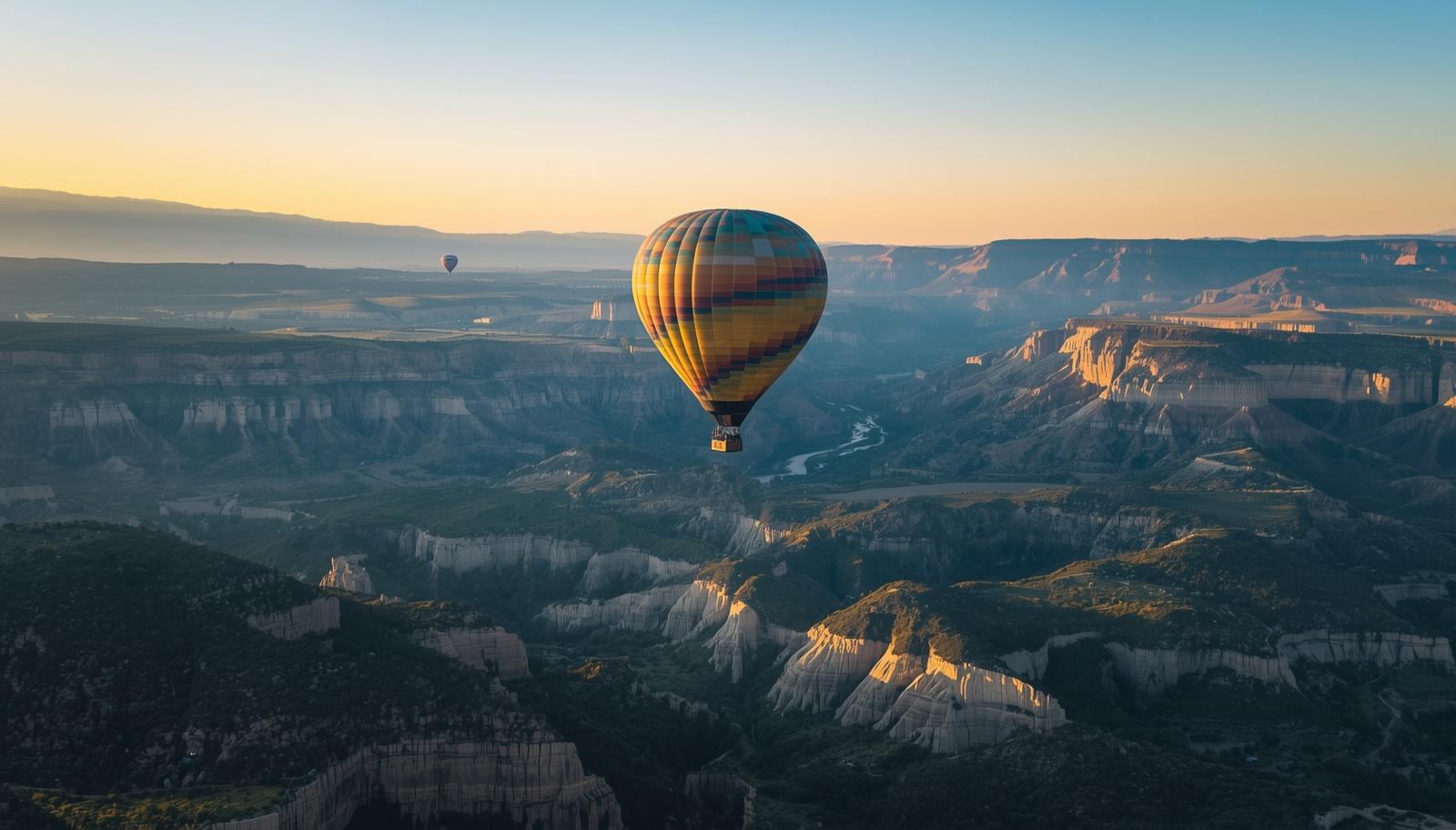
A hot air balloon is a large and graceful aircraft, symbolizing humanity’s earliest attempts to explore the sky. In eighteenth‑century France, the Montgolfier brothers first launched such a fabric

Follow us for quirky updates, fun discoveries, and a front‑row seat to the weird and wonderful world we live in.