
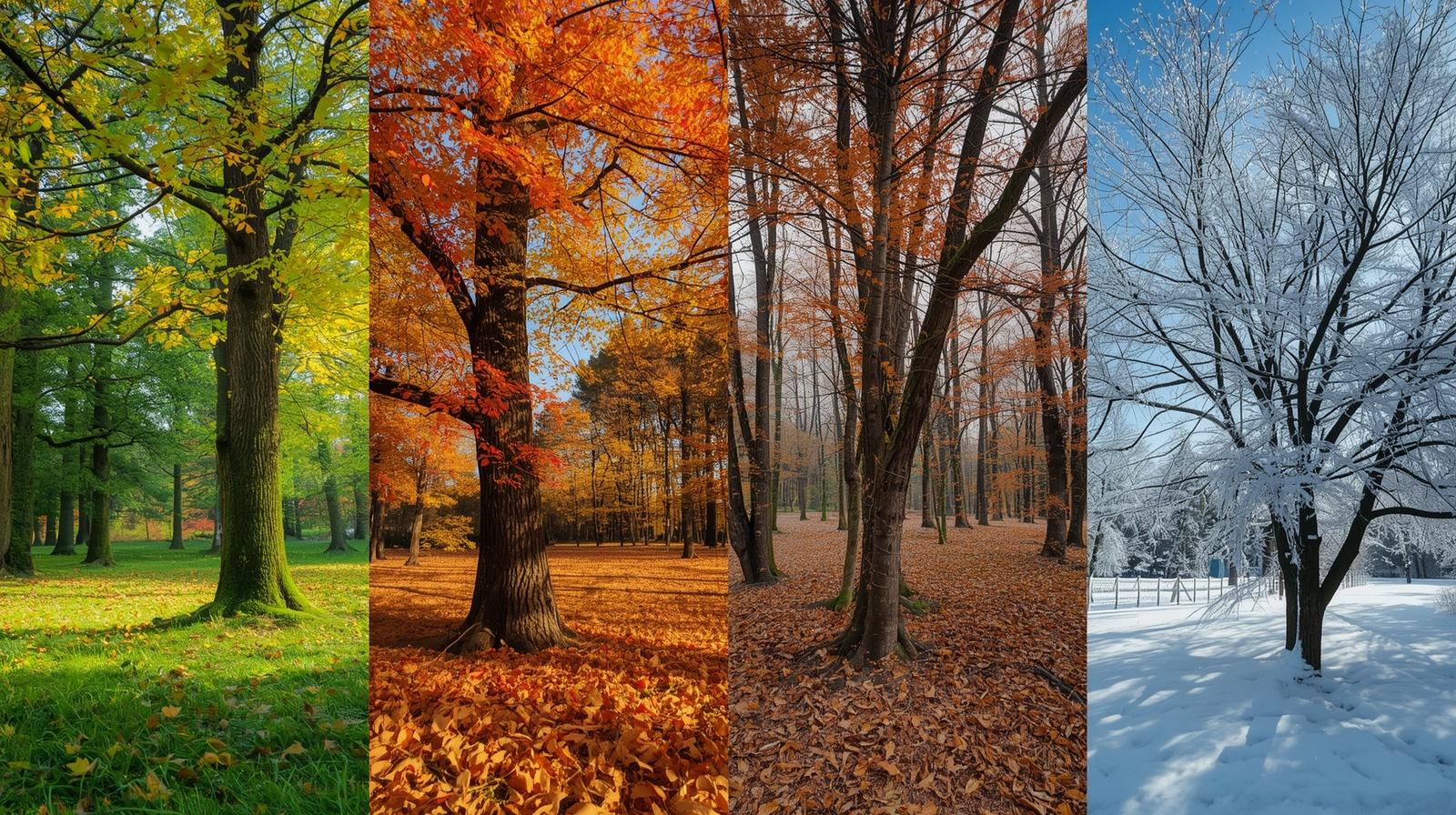
Summer is hot, winter is cold. The seasonal changes we observe from childhood to adulthood greatly shape our lives. What force lies behind this fascinating phenomenon? The answer is the Sun.
In the solar system, celestial bodies revolve around the Sun, and Earth is one of them, constantly in motion. Besides orbiting the Sun, Earth also spins on its axis. If Earth were motionless, the Sun would only shine on the side facing it, leaving the other side in darkness. But because Earth rotates once every 24 hours, different regions take turns facing the Sun and turning away, creating day and night. One rotation makes a day, and one full orbit around the Sun makes a year.
Earth’s orbit is not a perfect circle but an ellipse, with the Sun slightly off-center. This means Earth’s distance from the Sun changes: about 147 million kilometers at its closest (perihelion) and about 152 million kilometers at its farthest (aphelion). Yet this small difference is not enough to cause the seasons. The true reason lies in the angle at which sunlight strikes Earth.
Earth’s axis is tilted rather than upright. Because of this tilt, sunlight falls on the Northern and Southern Hemispheres differently at the same time. Direct rays deliver more heat, while slanted rays spread out and provide less. The regions most directly exposed to the Sun experience summer. Since the axis is tilted, the two hemispheres experience opposite seasons: when the Northern Hemisphere has summer, the Southern Hemisphere has winter; when the Northern Hemisphere has spring, the Southern Hemisphere has autumn, and vice versa.When the Northern Hemisphere is more exposed to the Sun, it not only has summer but also longer days and shorter nights. At the same time, the Southern Hemisphere, faced away, has shorter days and longer nights.
Why does the angle of sunlight matter so much? Imagine shining a flashlight straight at a wall in the dark. The spot it hits directly is the brightest, while the surrounding area is lit but dimmer. That is the difference between direct and slanted light. If you move the flashlight forward a couple of steps, the brightness changes only slightly. But tilt it to one side, and the effect is far greater. This shows that angle has more influence than distance. Although the relationship between Earth and the Sun is more complex, this example helps us understand why the angle of sunlight is enough to create seasons.
There is an interesting phenomenon: when the Northern Hemisphere is more exposed to the Sun, no matter how Earth rotates, the North Pole still faces the Sun. This means that during this period, the North Pole experiences continuous daylight with no night at all. At the same time, the South Pole remains in darkness throughout the day. Conversely, when the Southern Hemisphere is more exposed to the Sun, the same situation occurs in reverse. At certain times of the year, both the North and South Poles experience this astonishing phenomenon.
We leverage big data to bring you the most fascinating and mind-blowing trivia. Follow us for regular updates—prepare to be amazed while leveling up your knowledge.



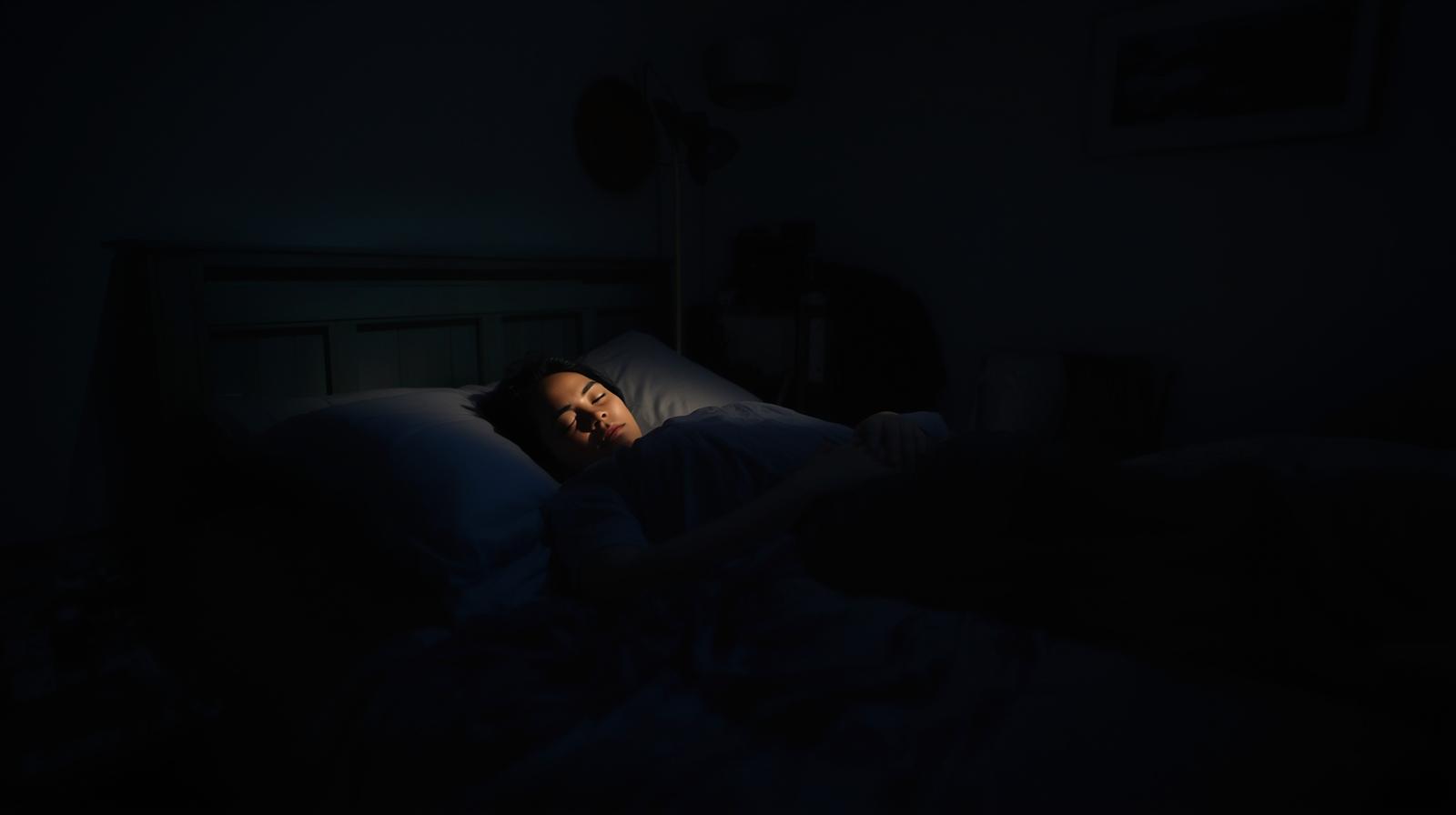
Whether bizarre and fantastical events or ordinary, trivial matters, they all appear in our dreams. Some dreams are so vivid that we remember them clearly after waking, while others vanish instantly
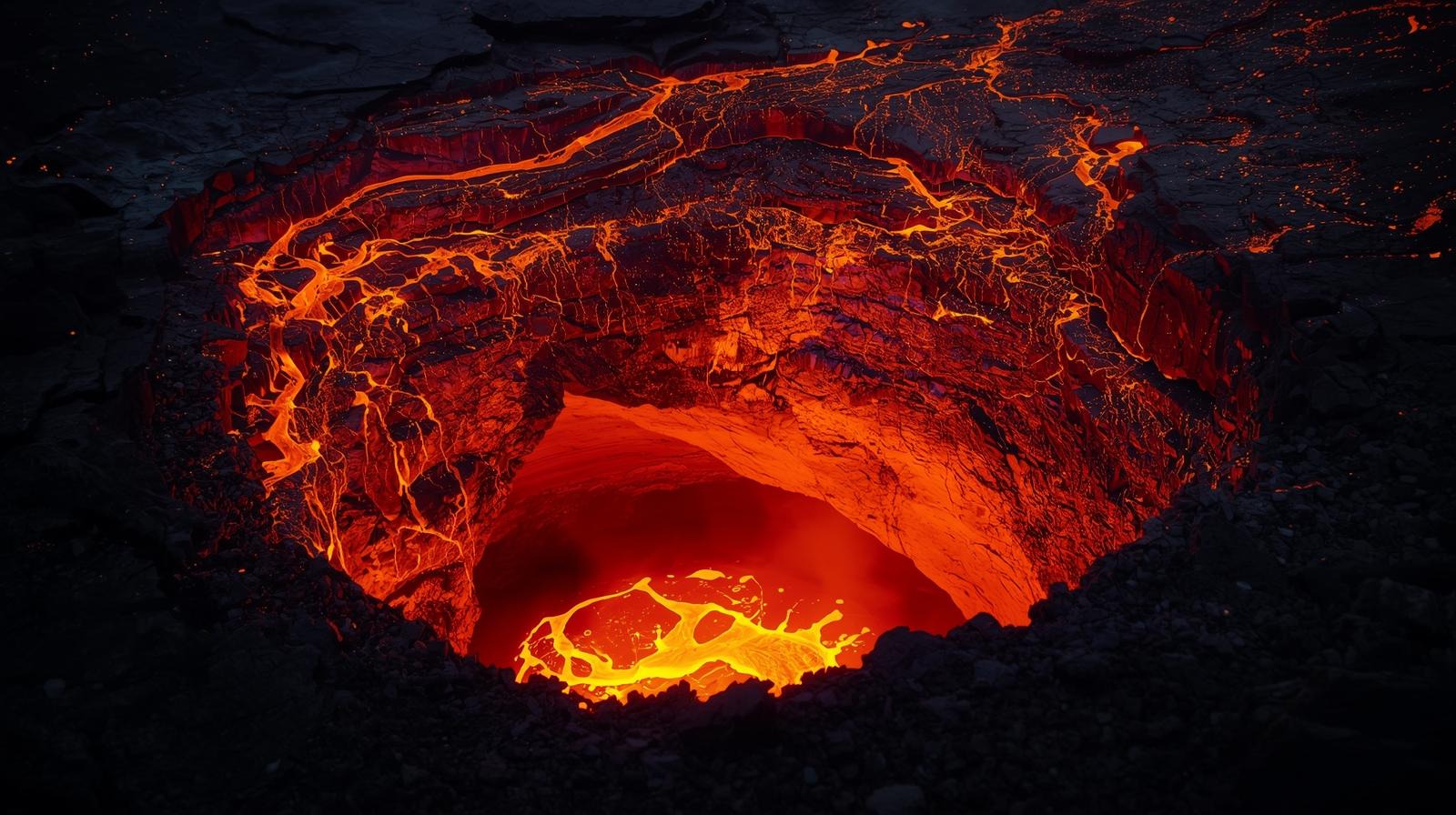
Volcanoes are breathtakingly majestic, drawing countless visitors to admire their scenery. But what would happen if someone were to slip and fall into one? The terrain around a volcanic crater is
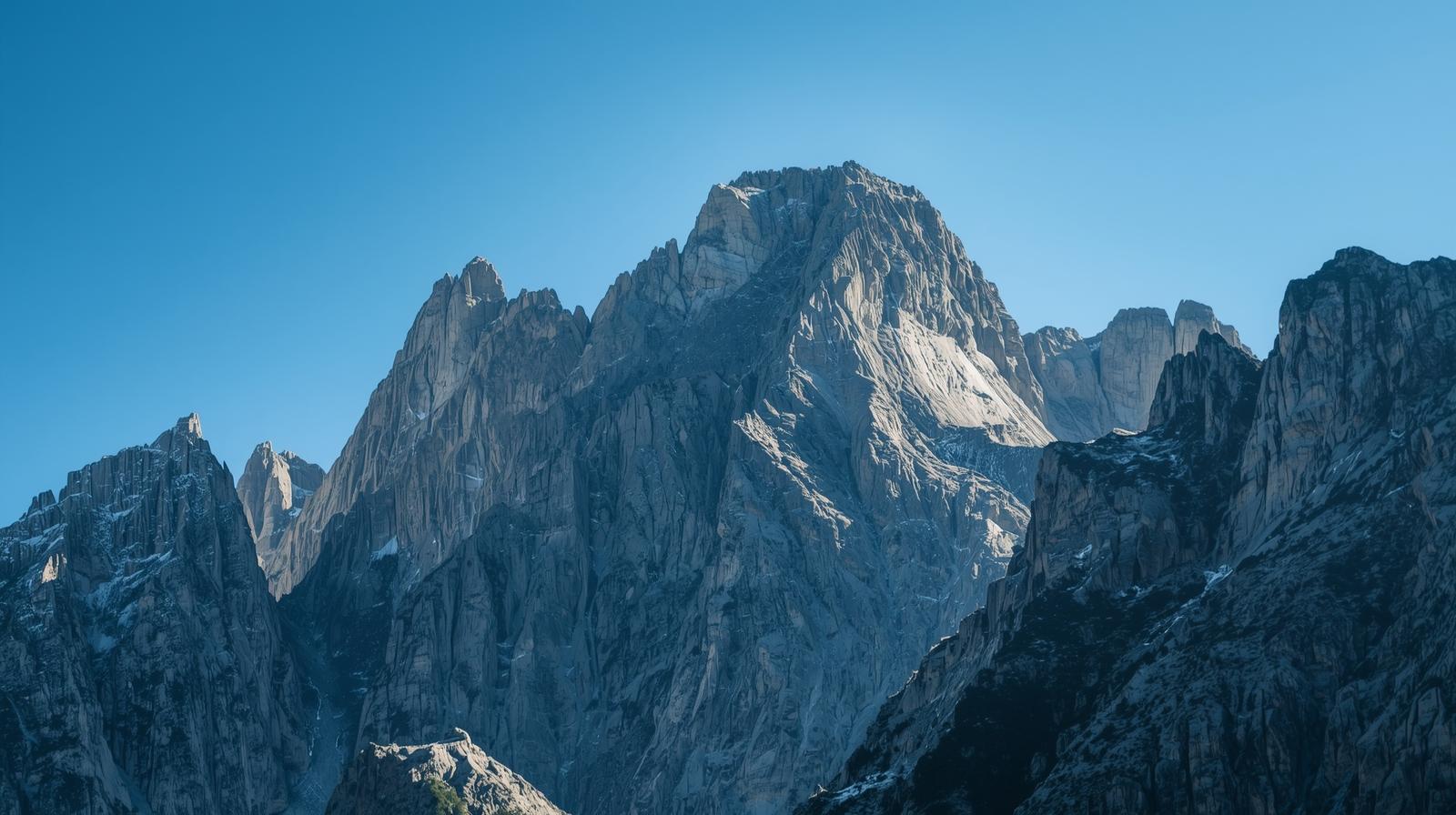
Magnificent mountain ranges bring unique landscapes to Earth. Towering peaks that reach into the clouds were once flat land. How do they rise from underground and soar into the sky? Let us first
Honey is a highly nutritious natural food, yet its formation process is often misunderstood. Some people describe honey as “bee vomit,” a phrase that arises from the fact that bees repeatedly

A gust of wind blowing against us can feel invigorating. We see and feel the presence of wind every day, but how exactly is wind formed? Before understanding the formation of wind, we need to

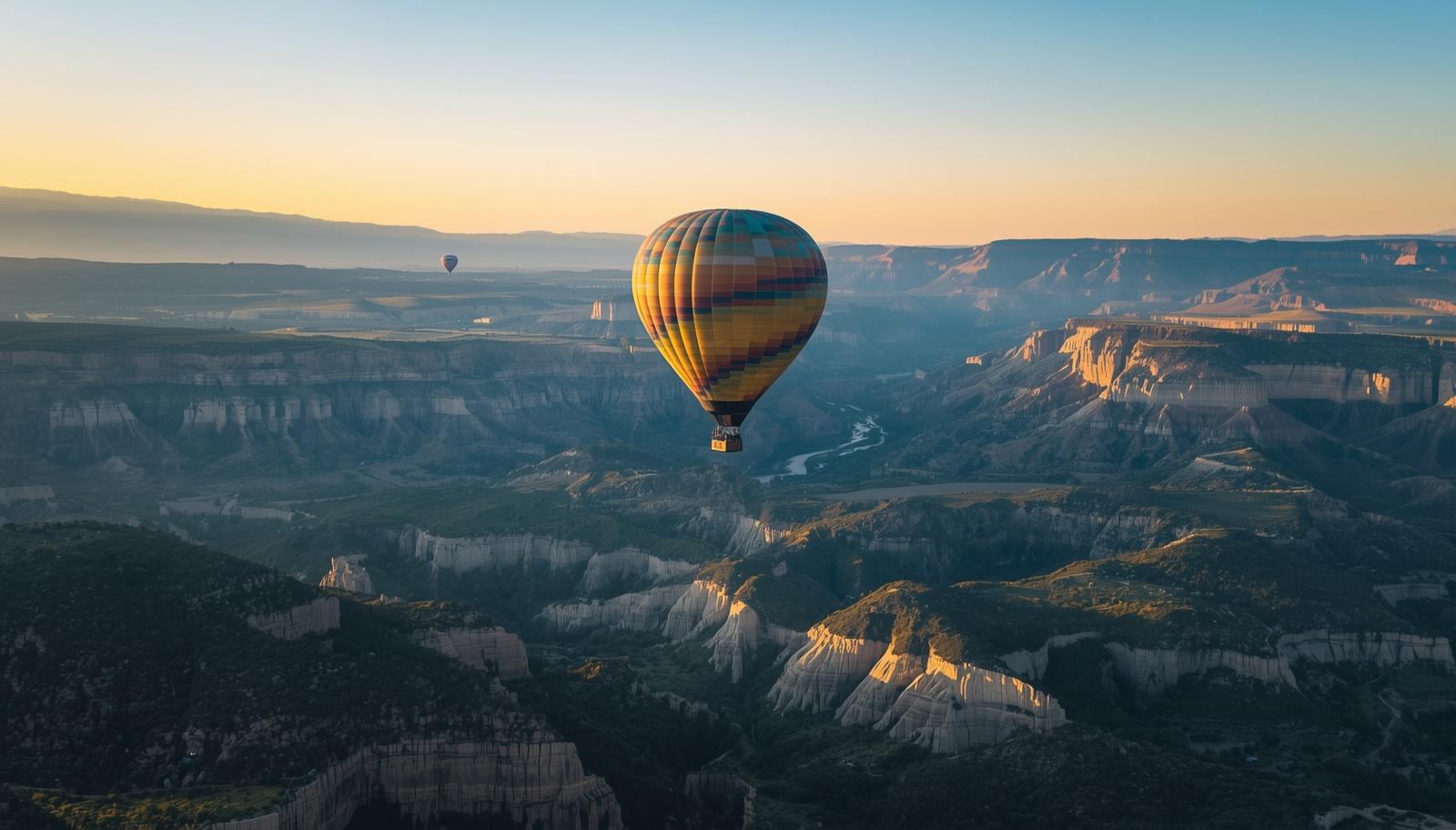
A hot air balloon is a large and graceful aircraft, symbolizing humanity’s earliest attempts to explore the sky. In eighteenth‑century France, the Montgolfier brothers first launched such a fabric
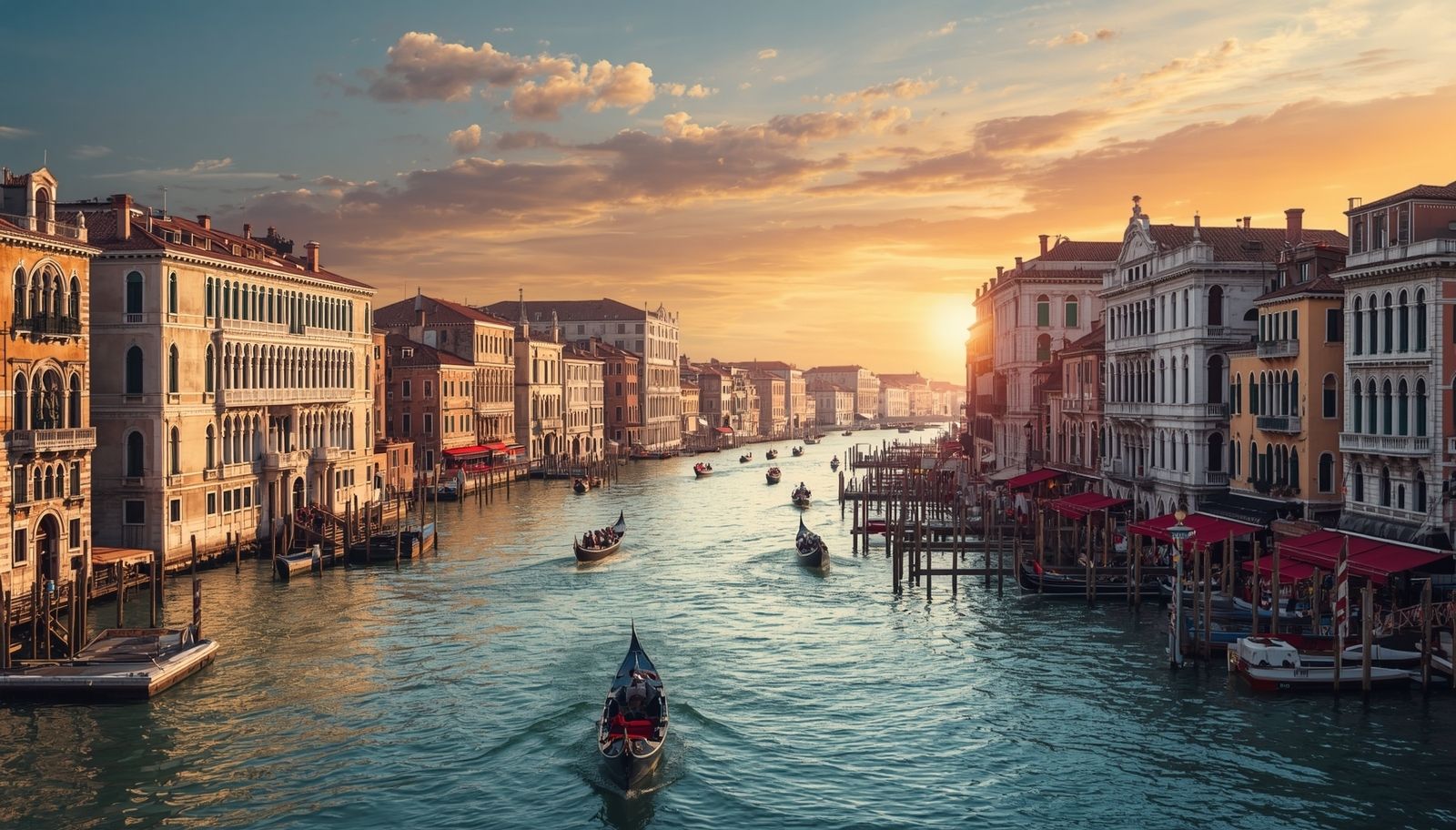
Venice is a city in northeastern Italy, lying close to the Adriatic Sea. What makes it unique is that the entire city is composed of numerous small islands, separated by canals, linked by bridges,
Stepping into the tropical rainforest, people are often astonished by the sheer size of its creatures: beetles as thick as a thumb, butterflies with wings as wide as a hand, and even frogs and ants



Follow us for quirky updates, fun discoveries, and a front‑row seat to the weird and wonderful world we live in.