
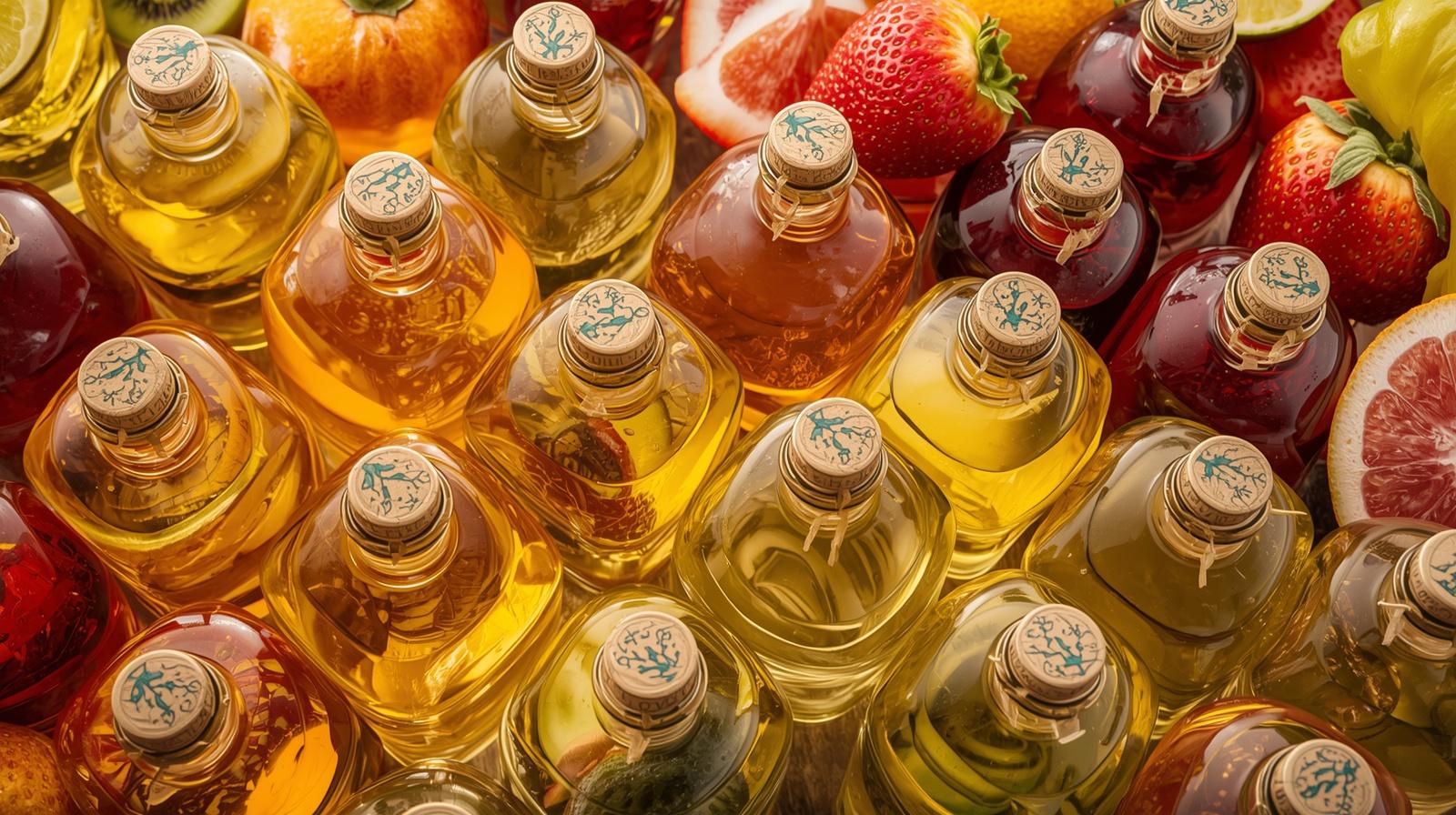
Across the world, vinegar comes in many varieties and flavors, stimulating the human palate. Yet vinegar often develops sediment on its own—sometimes appearing as threads, umbrella-like shapes, or even jelly-like clumps. What exactly is this? Has the vinegar gone bad?
Vinegar is a fermented product, made through two main stages: first, sugar is fermented into alcohol, then alcohol is fermented into vinegar. Essentially, any food containing sugar can be used as raw material—fruits, honey, and other sweet foods, as well as grains like rice, wheat, and corn. Since grains contain starch, which can be converted into sugar, they can also be used, though they require an extra saccharification step to make fermentation easier. Different raw materials produce different flavors of alcohol, which in turn yield different flavors of vinegar.
When sugar-rich raw materials are combined with yeast in an anaerobic environment, the yeast consumes the sugar and produces ethanol and carbon dioxide. Ethanol is alcohol, completing the first step of fermentation. Next, acetic acid bacteria are added. In an aerobic environment, these bacteria convert ethanol into acetic acid—the main component of vinegar. After disinfection or sterilization, the vinegar is complete. Depending on the process, the product may then be blended or aged to create unique flavors.
During the fermentation process of vinegar, acetic acid bacteria convert ethanol into acetic acid, while also producing other substances. These bacteria and byproducts form a colony known as the “mother of vinegar”—the sediment often seen in different types of vinegar. The vinegar mother can appear in various shapes. It is a beneficial bacterial community, edible, and good for human health. Its presence shows that the vinegar is unfiltered and naturally composed. When properly handled, the vinegar mother can be reused repeatedly to produce more vinegar. Because it is regarded as proof of high-quality, naturally brewed vinegar, many fruit vinegar producers emphasize that their products contain the vinegar mother, or even allow consumers to see it directly in the bottle, as a way to build trust and boost sales.
Artificial or synthetic vinegar is usually made by diluting glacial acetic acid and then adding flavorings, colorings, and other substances. Glacial acetic acid is highly pure acetic acid with very low water content. Because of its strong corrosiveness, it is often used for industrial purposes, though it can be diluted and processed for food use. Food-grade glacial acetic acid used to make vinegar is not harmful to the body, but the manufacturing process often involves adding sugar and other ingredients. This makes it high in calories and strips away the nutrients that naturally arise during fermentation. By contrast, naturally brewed vinegar contains amino acids, vitamins, minerals, and other beneficial compounds. Its nutritional value is higher, but because natural brewing takes time, involves multiple steps, and requires more effort, the cost is higher, and so naturally brewed vinegar is more expensive than synthetic vinegar.
We leverage big data to bring you the most fascinating and mind-blowing trivia. Follow us for regular updates—prepare to be amazed while leveling up your knowledge.



When an airplane is about to take off, flight attendants always remind us of different things or ask us to do certain actions. What is the reason behind these instructions? When the plane is

Magnificent mountain ranges bring unique landscapes to Earth. Towering peaks that reach into the clouds were once flat land. How do they rise from underground and soar into the sky? Let us first

Massive cruise liners, cargo ships, and oil tankers may weigh hundreds of thousands of tons, yet they sail freely on the sea. In contrast, a stone far smaller in size and weight sinks to the seabed.

All things in the world are composed of atoms, which are the fundamental units of matter. At the core of each atom lies the nucleus, containing positively charged protons and electrically neutral

In daily facial care, many skincare brands and beauticians often emphasize the need for regular exfoliation. But what exactly are we removing when we exfoliate? Is it truly necessary? And what

When taking antibiotics, patients are often instructed to complete the full course in order to reduce the risk of bacteria developing resistance. But why do bacteria become resistant, and what

The polar realms, shrouded in relentless cold and endless mystery, remain territories that most people will never set foot upon in their lifetime. The Antarctic and the Arctic lie at opposite ends of

Christianity, Catholicism, Orthodoxy and Protestantism Christianity is a faith centered on Jesus Christ, emphasizing salvation and the relationship with God. It is also one of the religions with


Follow us for quirky updates, fun discoveries, and a front‑row seat to the weird and wonderful world we live in.