

The shelves of supermarkets are filled with an endless variety of alcoholic beverages, and as consumers we are accustomed to purchasing ready-made products. Yet one might wonder: is it truly possible to brew your own alcohol at home? Is such an idea feasible, or does it remain merely aspirational?
In principle, home brewing and industrial production share the same foundation—alcohol is created through fermentation. The key difference lies in scale: factories produce in large volumes, requiring strict quality control, hygiene management, and equipment monitoring, while home brewing is typically small-scale and relatively straightforward.
Nevertheless, home brewers must pay close attention to legal requirements. In most regions, individuals are permitted to brew alcohol for personal use but are prohibited from selling or distributing it. Production limits are often imposed to prevent violations of the law. In other words, home brewing can be a hobby or a means of personal enjoyment, but exceeding legal thresholds or engaging in commercial activity may constitute an offense.
Essentially, any food containing sugar can serve as a raw material for brewing. Fruits such as grapes, apples, and plums, as well as honey, naturally provide the sugars yeast requires, giving rise to wines, ciders, and meads. Grains, however, consist primarily of starch rather than simple sugars, and must undergo saccharification—a process in which enzymes (such as amylase from malt) break down starch into fermentable sugars. This step is crucial for brewing beers, whiskies, and other grain-based spirits.
Once yeast is introduced, it consumes the available sugars and initiates alcoholic fermentation, producing ethanol and carbon dioxide. Ethanol is the primary component of alcohol, while carbon dioxide, though a byproduct, contributes significantly to the character of beers and sparkling wines. Additional ingredients such as spices, herbs, or barrel aging may also be incorporated to enrich flavor and complexity.
Although the basic principle of brewing is straightforward, the actual process is far more intricate. Temperature control is critical: excessive heat kills yeast, while low temperatures suppress its activity. Humidity and sanitation must also be managed carefully, as contamination by unwanted bacteria can spoil the brew.
Different types of alcohol follow distinct procedures. Beer, for instance, requires malt saccharification, followed by boiling with hops, which impart aroma, bitterness, and natural preservative qualities. After cooling, fermentation begins, yielding beer’s characteristic flavor. Certain fruit wines may require additional sugar to ensure sufficient fermentation and prevent failure.
Distilled spirits such as whisky, brandy, and vodka involve even more complex steps. After fermentation, the liquid must be distilled to increase alcohol concentration, remove impurities, and refine flavor. Many spirits are then aged in wooden casks, developing deeper aromas and more nuanced taste profiles.
Brewing is therefore not merely a simple “sugar-to-alcohol” transformation, but a craft demanding precise control. Temperature, humidity, sanitation, raw material properties, saccharification, distillation, and aging all shape the final quality and flavor of the beverage.
The diversity of alcoholic beverages reflects the complexity of their production methods. Each type demands specialized knowledge and practice, often involving trial and error. For beginners interested in home brewing, purchasing finished products may be the safest option if time for study is limited.
Those determined to try should ideally seek guidance from experienced brewers and start with simpler drinks such as fruit wines or mead. This gradual approach reduces risk, fosters understanding of yeast and fermentation, and lays the foundation for eventually tackling more advanced brews like beer or distilled spirits.
We leverage big data to bring you the most fascinating and mind-blowing trivia. Follow us for regular updates—prepare to be amazed while leveling up your knowledge.



For many people, losing weight feels like a lifelong mission. In today’s world of abundance, food shortages are no longer a concern. Instead, overnutrition has led to widespread obesity. ###

Summer is hot, winter is cold. The seasonal changes we observe from childhood to adulthood greatly shape our lives. What force lies behind this fascinating phenomenon? The answer is the Sun. In

Atoms are the fundamental units that make up all matter in the world. They are so small that they cannot be seen with the naked eye, yet they are the building blocks of everything. At the center of

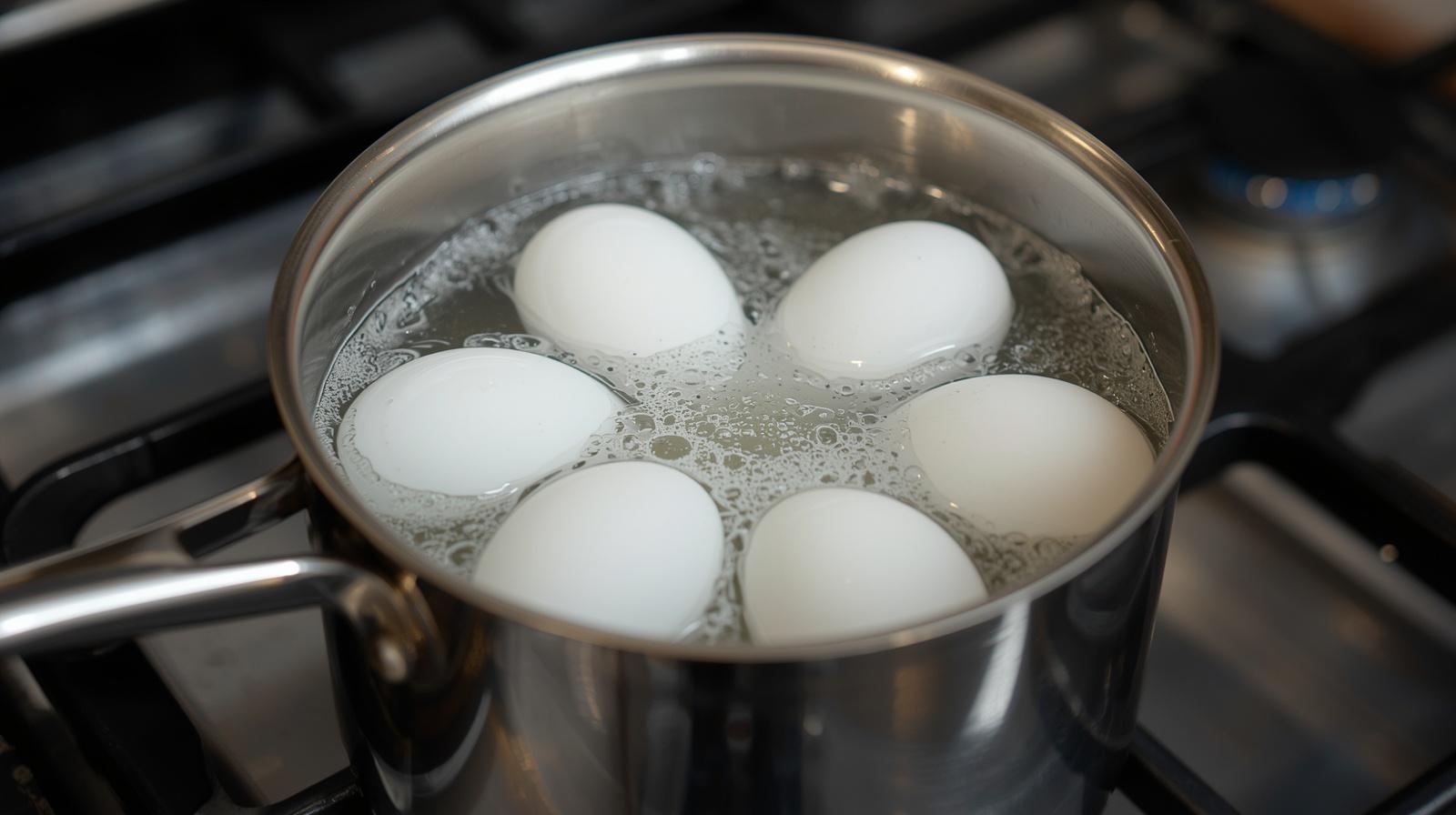
Eggs are highly nutritious and delicious, making them a common food in human diets. Boiled eggs, cooked without added oil, are especially popular. But why do eggs often crack during boiling? Not only
We often forget different things, but many of them are ones we’d rather remember—especially when studying or learning, where newly acquired knowledge seems to slip away quickly. How does the human

Acne is a troublesome condition. Not only is it painful to the touch, but it also affects appearance. When acne becomes severe, it can undermine self-confidence and have a major impact on daily life

Cars are the daily means of transport for many people, and during a journey it is inevitable to encounter sudden situations that require braking. But what actually happens when a car brakes abruptly

Christianity, Catholicism, Orthodoxy and Protestantism Christianity is a faith centered on Jesus Christ, emphasizing salvation and the relationship with God. It is also one of the religions with

Follow us for quirky updates, fun discoveries, and a front‑row seat to the weird and wonderful world we live in.