
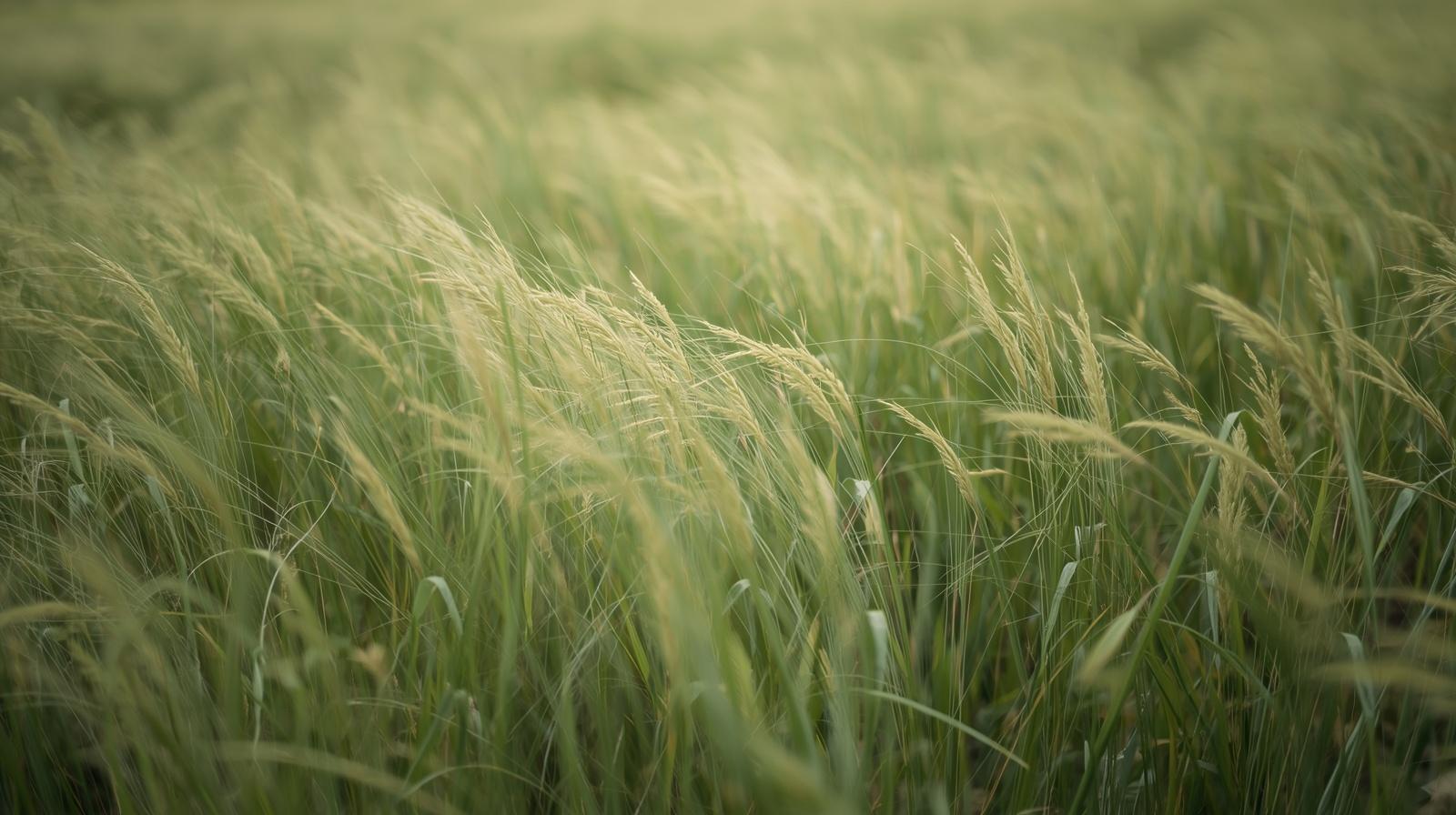
A gust of wind blowing against us can feel invigorating. We see and feel the presence of wind every day, but how exactly is wind formed?
Before understanding the formation of wind, we need to grasp the principle of air pressure. Air has weight, and the pressure exerted by the column of air above a unit area is what we call air pressure. It is similar to holding several books in your hands — the books exert pressure on your palms. The Sun constantly shines on Earth, heating the air, but not evenly. Some regions receive more heat, while others receive less, creating differences in air temperature. Warm and cold air have different densities: warm air expands and rises, producing low pressure, while cold air contracts and sinks, producing high pressure. This results in variations in air pressure. At higher altitudes, the weight of the air is naturally less than at lower altitudes, so air pressure decreases with elevation. In low-pressure areas, moisture rises and condenses into clouds at higher altitudes, often leading to overcast skies, thunderstorms, and heavy rain. In contrast, in high-pressure regions, air sinks, clouds are less likely to form, and thunderstorms are less frequent, so the weather tends to be fair.
Differences in air pressure between regions are the key to wind formation. Air from high-pressure areas flows toward low-pressure areas, creating winds of varying strength. The greater the pressure difference between two places, the faster the air moves, and the stronger the wind we feel. Friction also affects wind speed: in cities, trees and buildings increase friction, slowing the wind, while over the ocean friction is lower, so winds tend to be faster. The flow of air from high to low pressure determines wind direction. But besides air pressure, Earth’s rotation is also a crucial factor.
Why does Earth’s rotation influence wind direction? Earth rotates from west to east. If we look at Earth head-on, with the North Pole at the top and the South Pole at the bottom, the planet spins from left to right. From above the North Pole looking downward, Earth rotates counterclockwise. Because Earth is spherical, its radius is largest at the equator and smallest at the poles. As Earth rotates, points near the equator travel a greater distance than points near the poles. Imagine circling Earth along the equator versus circling near the poles — the equatorial path is much longer. Under the influence of the Coriolis force, when wind moves in a straight line, Earth’s rotation makes it appear to deflect from the ground’s perspective. From the wind’s perspective, it is the ground that seems to move beneath it.
We leverage big data to bring you the most fascinating and mind-blowing trivia. Follow us for regular updates—prepare to be amazed while leveling up your knowledge.



Whether bizarre and fantastical events or ordinary, trivial matters, they all appear in our dreams. Some dreams are so vivid that we remember them clearly after waking, while others vanish instantly

Volcanoes are breathtakingly majestic, drawing countless visitors to admire their scenery. But what would happen if someone were to slip and fall into one? The terrain around a volcanic crater is
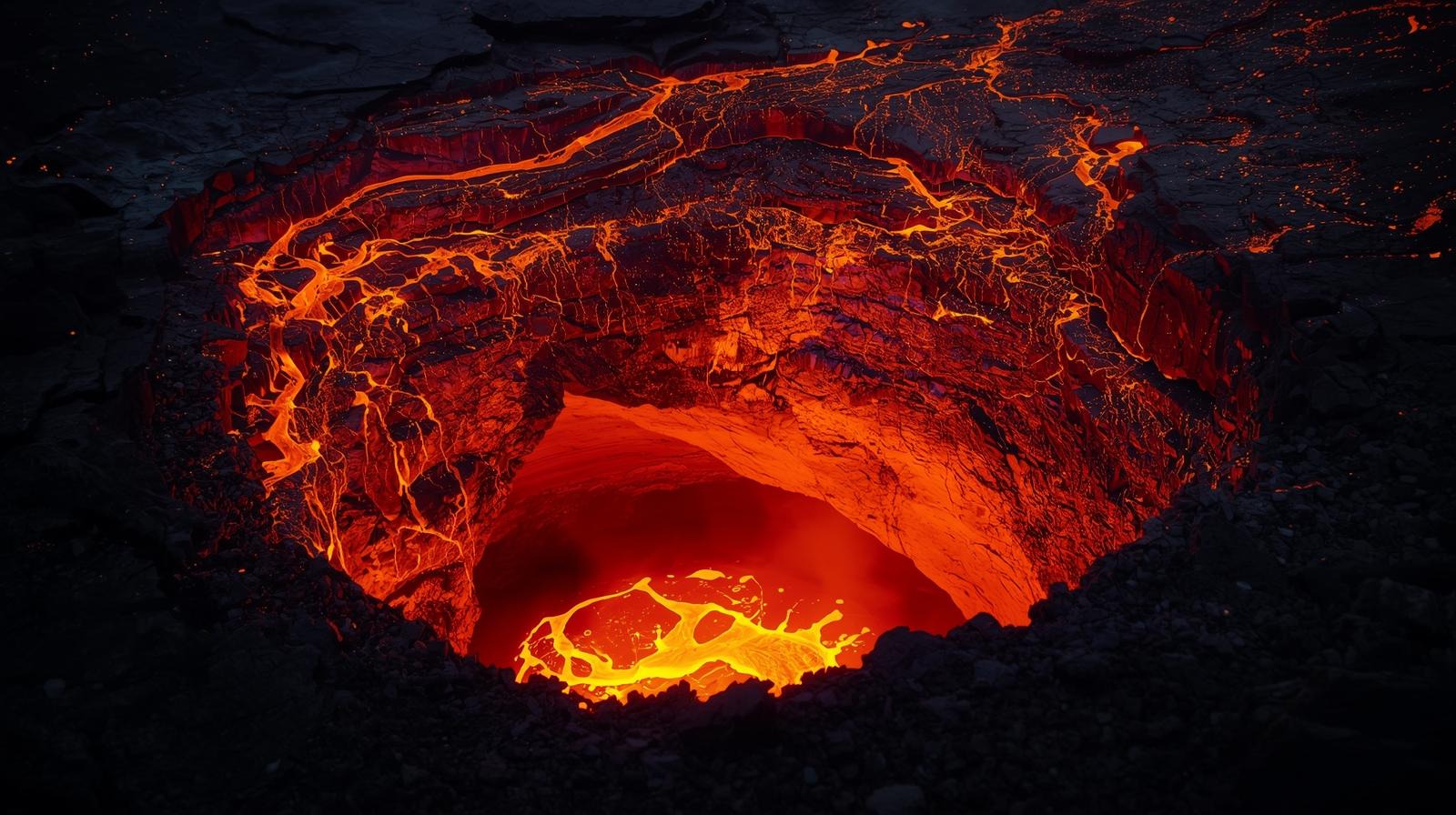
In certain regions earthquakes occur often, while in others they are rare. What determines this difference? We know earthquakes are disasters that can cause loss of life and economic damage, but are
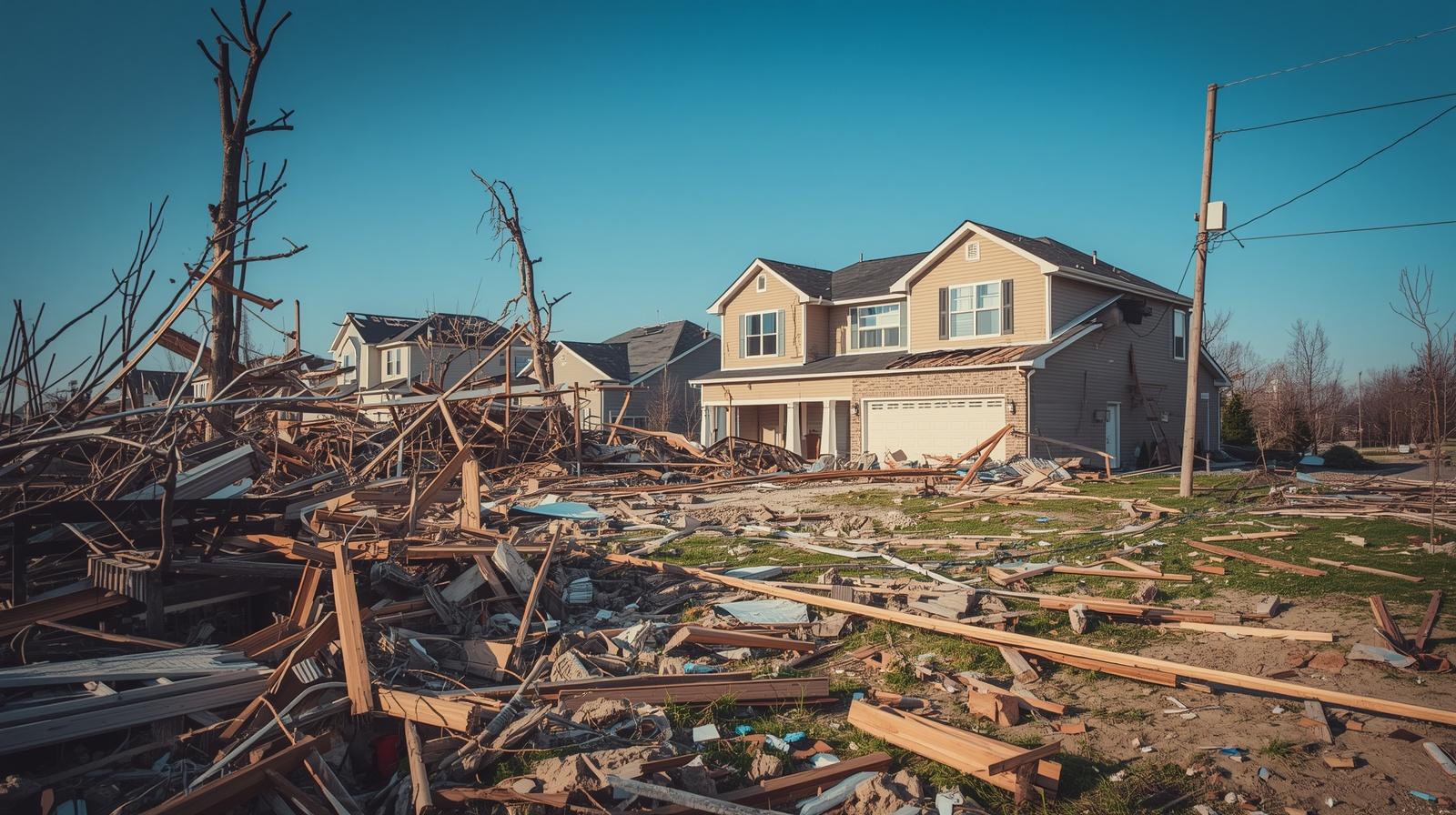
The discovery and application of electricity shocked the world and accelerated the development of human civilization. What exactly is electricity, where does it come from, and how does power
For many people, losing weight feels like a lifelong mission. In today’s world of abundance, food shortages are no longer a concern. Instead, overnutrition has led to widespread obesity. ###

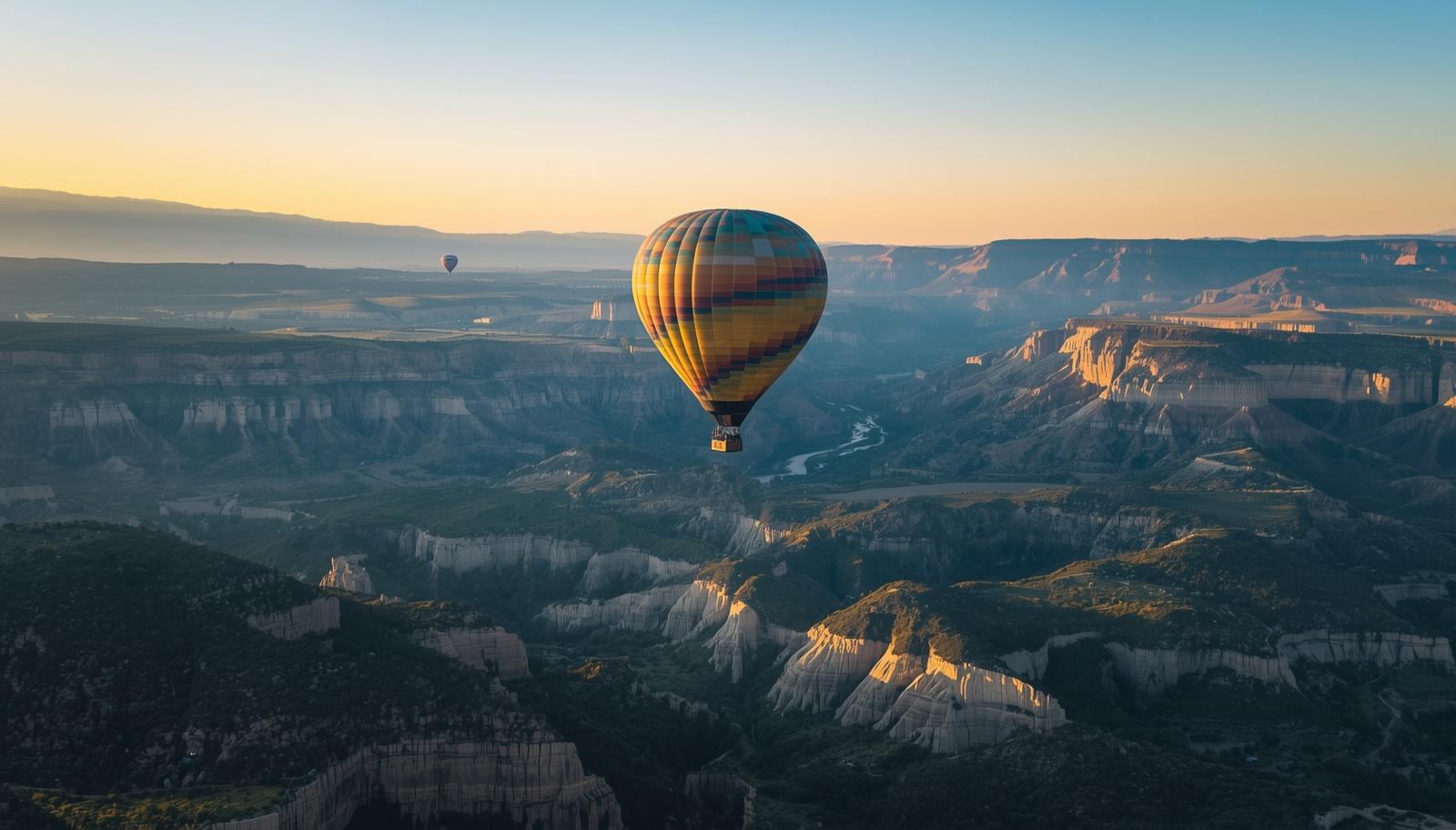
A hot air balloon is a large and graceful aircraft, symbolizing humanity’s earliest attempts to explore the sky. In eighteenth‑century France, the Montgolfier brothers first launched such a fabric
Cars are the daily means of transport for many people, and during a journey it is inevitable to encounter sudden situations that require braking. But what actually happens when a car brakes abruptly

The droplets that fall from the sky are not always the same. At times they are raindrops, striking eaves and streets; at other times they are snowflakes, gently covering rooftops and fields. Both

Follow us for quirky updates, fun discoveries, and a front‑row seat to the weird and wonderful world we live in.